
How to Make Low Carb Tapioca Pudding That Actually Tastes Good
What Is Low Carb Tapioca and Can You Actually Enjoy It on Keto?
Low carb tapioca is a growing category of recipes and products that replicate the creamy, pearl-like texture of traditional tapioca — without the blood sugar spike.
Here are the most popular low carb alternatives to traditional tapioca:
| Low Carb Substitute | Net Carbs (per serving) | Best Used For |
|---|---|---|
| Chia seeds | 4-6g | Pudding, overnight desserts |
| Konjac / Miracle Rice | ~0.5-1.2g | Pudding, boba pearls |
| Gelatin pearls | ~0.5g | Boba tea, bubble tea |
| Allulose pudding mix | ~6g (13g total, 7g allulose) | Quick pudding, pie filling |
Traditional tapioca, by comparison, delivers over 40g of carbs per serving — enough to knock most people out of ketosis immediately.
The good news? There are several ways to get that signature chewy, creamy tapioca experience while keeping carbs low. Whether you want a warm bowl of pudding, a cold boba drink, or a keto-friendly baked good, there is a substitute that works.
This guide covers the best low carb tapioca options, how to use them, and how to make pudding that actually tastes good — not like a sad diet version of the real thing.
Why Traditional Tapioca Isn’t Keto-Friendly
To understand why we need a low carb tapioca alternative, we first have to look at what traditional tapioca actually is. Tapioca is a starch extracted from the storage roots of the cassava plant (also known as yuca). While it is naturally gluten-free and allergen-friendly, it is essentially pure starch.
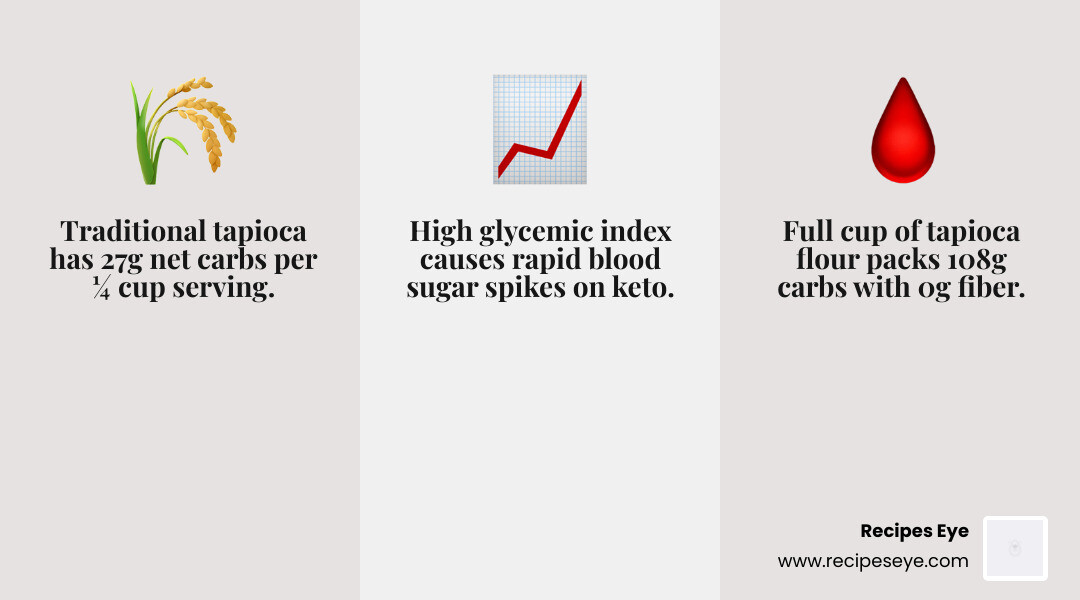
In our research, we found that a single quarter-cup serving of traditional tapioca flour contains approximately 27 grams of net carbs. If you move up to a full cup, you are looking at a staggering 108 grams of carbohydrates and zero grams of fiber. For anyone following a ketogenic or low-carb lifestyle in April 2026, this is a “no-go” zone.
The high carbohydrate density gives traditional tapioca a high glycemic index. This means it causes rapid spikes in blood glucose and insulin levels. For diabetics or those trying to maintain ketosis, these spikes can disrupt metabolic goals and lead to the dreaded “sugar crash.” As highlighted in this guide on Is Tapioca Flour Keto? (+ 4 Low Carb Alternatives), traditional tapioca lacks the protein, healthy fats, and fiber needed to balance out its heavy starch load.
The Best Low Carb Tapioca Substitutes for Texture
If we can’t use the cassava root, how do we get that iconic “bead” texture? We’ve tested several methods at Recipes Eye, and the results are surprisingly delicious. The goal is to find an ingredient that provides a “gelatinous-crunchy” mouthfeel without the carb baggage.
Using Chia Seeds for a Low Carb Tapioca Mouthfeel
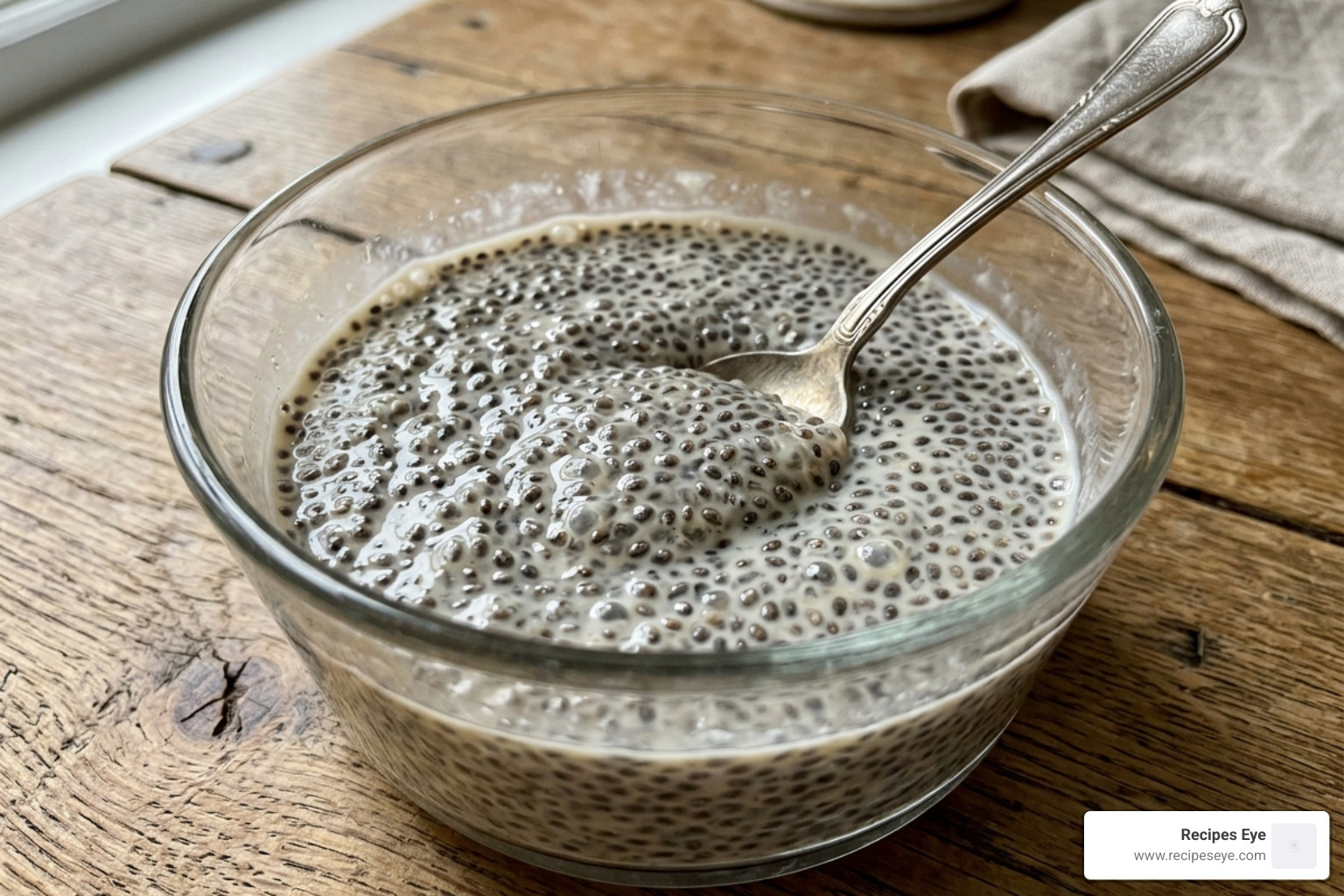
Chia seeds are perhaps the most popular way to mimic low carb tapioca. When soaked in liquid, chia seeds develop a mucilaginous (gel-like) coating that feels remarkably similar to small tapioca pearls.
Beyond the texture, chia seeds are a nutritional powerhouse. They are rich in omega-3 fatty acids and high in fiber. Because most of their carbohydrate content is fiber, the net carb count remains very low—usually between 4-6g per glass of pudding. For the best results, we recommend an overnight soak in almond or coconut milk. This allows the “pearls” to fully hydrate and soften, creating a thick, spoonable consistency. You can learn more about these flour-based shifts in this Tapioca Flour Low Carb Option resource.
Konjac Flour and Miracle Rice as Low Carb Tapioca Alternatives
For those who want to get even closer to zero carbs, konjac-based products are a miracle (pun intended). Konjac flour is derived from the elephant yam and is composed almost entirely of glucomannan, a highly soluble fiber.
“Miracle Rice” or shirataki rice is simply konjac shaped into small grains. When added to a creamy custard base, these tiny, translucent pieces mimic the chew of tapioca pearls perfectly. A serving of “tapioca” pudding made with miracle rice can contain as little as 1.2g of net carbs. It is a fantastic thickening agent that absorbs the flavors of vanilla and cream without adding any calories or sugar.
Crafting the Perfect Low Carb Tapioca Pudding Recipe
Making a low carb tapioca pudding that tastes “real” requires a bit of science. Traditional pudding relies on the starch in tapioca to thicken the milk. Since we are removing that starch, we need to use healthy fats and proteins—like egg yolks and heavy cream—to create a luxurious custard.
The Custard Base
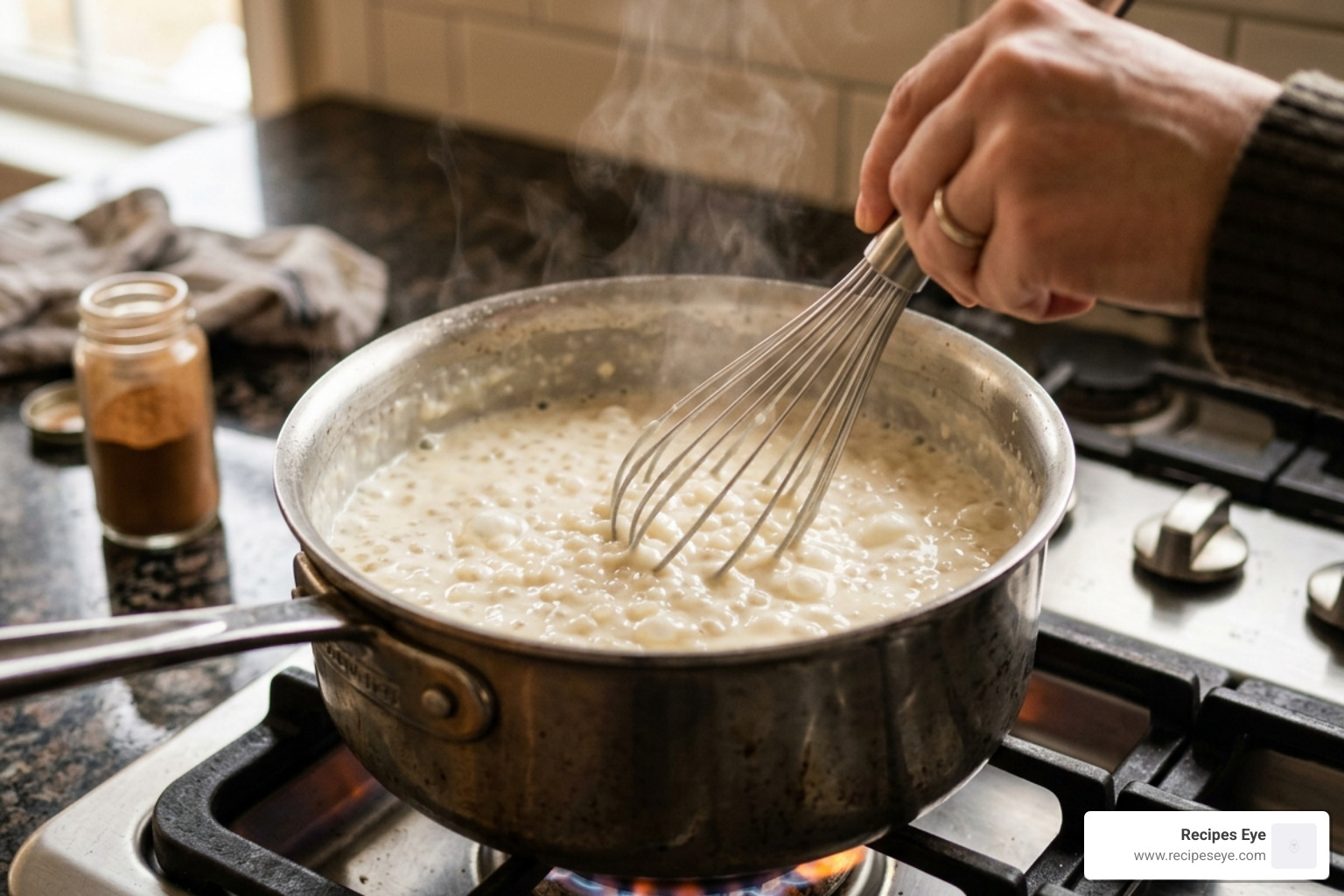
A common mistake is simply mixing chia seeds with cold milk and calling it “tapioca.” To get that nostalgic, warm comfort-food vibe, we recommend a stovetop method. By whisking egg yolks with a milk alternative (like unsweetened almond milk or macadamia nut milk) over low heat, you create a rich, velvety base.
Pro-Tip: To prevent the eggs from scrambling, whisk the mixture constantly and never let it reach a rolling boil. If you are using konjac flour as a thickener, whisk it in gradually to avoid clumping.
Choosing the Right Sweetener
The sweetener you choose will define the aftertaste of your dessert. We’ve compared the top contenders below:
| Sweetener | Best Attribute | Notes |
|---|---|---|
| Allulose | Tastes exactly like sugar; no cooling effect. | Absorbed but not metabolized; 1/10 the calories of sugar. |
| Monk Fruit | Very sweet; natural origin. | Often blended with erythritol; check labels for “net carbs.” |
| Erythritol | Easy to find; zero calories. | Can have a slight “cooling” sensation on the tongue. |
According to Keto Tapioca Pudding – Low Carb Sugar Free Tapioca Pudding, using a granulated monk fruit or allulose blend provides the most “natural” sweetness without the chemical aftertaste often associated with diet foods.
Beyond the Bowl: Boba, Baking, and Storage
Low carb tapioca isn’t just for pudding. The keto community has found ingenious ways to bring back bubble tea and chewy baked goods.
Keto Boba Tea
Traditional boba is made of brown sugar and tapioca starch—a keto nightmare. However, you can make “gelatin pearls” at home. By dripping a mixture of gelatin and tea into a tall glass of ice-cold avocado oil, the droplets flash-freeze into perfect, chewy spheres. Once rinsed, these pearls have the exact “QQ” (chewy) texture of boba but with virtually zero carbs.
Baking Alternatives
If a recipe calls for tapioca flour as a binder or to add “stretch” to bread, do not use a 1:1 replacement with wheat flour. Instead, look to:
- Almond Flour: Provides bulk and healthy fats (3g net carbs per 1/4 cup).
- Coconut Flour: Highly absorbent; great for structure.
- Xanthan Gum: Provides the “stretch” that tapioca starch usually offers in gluten-free baking.
Storage and Toppings
To maintain the best texture, store your low carb tapioca pudding in an airtight container in the refrigerator for up to 5 days. To prevent a “skin” from forming on top, press a piece of plastic wrap directly onto the surface of the pudding while it cools.
When you’re ready to serve, skip the sugar-laden fruits and try these keto-friendly toppings:
- Toasted Coconut: Toast unsweetened flakes at 350°F for 5-10 minutes until golden.
- Pumpkin Spice: Stir in a pinch of nutmeg and cinnamon for a fall-themed treat.
- Crushed Nuts: Toasted almonds or pecans add a necessary crunch to the soft pudding.
Frequently Asked Questions about Low Carb Tapioca
Is cassava flour a low-carb alternative to tapioca?
No. Cassava flour is made from the whole root, whereas tapioca is just the starch. While cassava flour has slightly more fiber, it is still very high in carbohydrates and will likely kick you out of ketosis. It is a great gluten-free option, but it is not a low carb tapioca substitute.
Can I use resistant tapioca starch on a keto diet?
Resistant tapioca dextrin (sometimes labeled as “soluble tapioca fiber”) is a keto-friendly fiber that isn’t fully digested by the body. It has a much lower glycemic impact than regular starch. However, be careful with labels; some products use IMO (Isomalto-Oligosaccharide) and call it “tapioca fiber,” which can still cause blood sugar spikes.
Why is my low-carb pudding not thickening properly?
If you are using chia seeds, they may need more time—at least 4 hours or ideally overnight. If you are using a stovetop custard method, you may need to add another egg yolk or a pinch of xanthan gum. Low-carb puddings often thicken significantly as they cool in the fridge!
Conclusion
At Recipes Eye, we believe that a healthy lifestyle shouldn’t mean giving up the flavors you love. Transitioning to low carb tapioca allows you to enjoy the nostalgic comfort of a creamy pudding or the fun of a bubble tea without compromising your metabolic health. By using clever substitutes like chia seeds, gelatin pearls, or miracle rice, you can create desserts that are as nutritious as they are delicious.
Ready to explore more? Discover more healthy recipes and join our community of food lovers dedicated to nutritious living!

