
Receita de peixe ao molho que vai te fazer lamber os dedos
Why the fish in sauce recipe is the perfect dish for any occasion
The fish in sauce recipe is one of the most practical and flavorful dishes in Brazilian cuisine. Ready in about 30 minutes, it serves up to 4 people and works perfectly for both everyday lunch and special occasions like Easter.
Quick response — how to make fish in sauce:
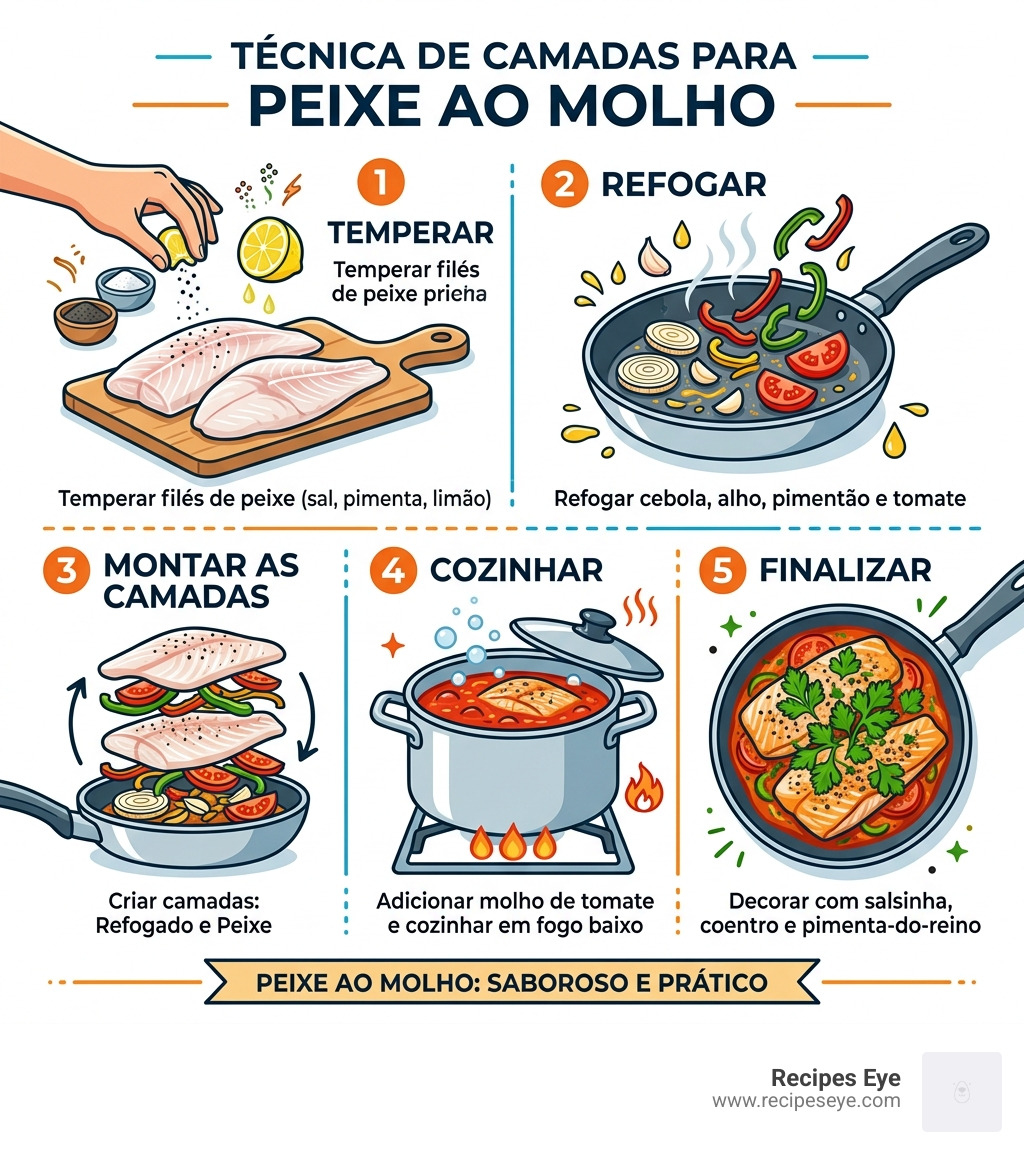
- Season the fillets with salt, pepper, and lemon juice
- Sauté onion, garlic, tomato, and bell pepper in olive oil
- Add tomato sauce and bring to a boil
- Place the fish in the sauce and cook over low heat for 10 to 20 minutes
- Finish with fresh herbs like parsley or cilantro
Besides being delicious, fish is a lean and nutritious protein. Hake (merluza), for example, has only 101 kcal and 20g of protein per 100g — great for those who want to eat well without overdoing it.
Best of all? You don’t need to be a professional chef. With simple ingredients and easy techniques, anyone can prepare an incredible fish in sauce at home.
In this guide, you will find everything from the classic recipe to variations with coconut milk, white sauce, and low-carb versions.
Best types of fish for your fish in sauce recipe
Choosing the right protein is the first step to success. Not every fish behaves the same way when submerged in a hot sauce. In our experience here at Recipes Eye, we look for fish that maintain their structure and absorb seasonings without completely falling apart.

Tilapia
Tilapia is a favorite in Brazilian kitchens due to its versatility and mild flavor. It is excellent for those who prefer a more delicate meat. However, because it is a thinner fillet, the cooking time must be closely monitored so it doesn’t overcook.
Hake (Merluza)
If you are looking for an option with excellent value for money, hake is the ideal choice. According to nutritional data, for every 100g of hake, we find about 101 kcal and 20g of protein, making it an ally for those seeking a balanced diet in 2026. It has soft white meat that absorbs tomato sauce wonderfully.
Whiting (Pescada)
Whiting (especially yellow or white) has a slightly firmer texture than hake, which makes it perfect for stews. It doesn’t “disappear” in the sauce and offers a succulent bite.
Shark (Cação)
For those who are afraid of bones, shark is the solution. Usually sold in steaks, it has a cartilaginous central bone that is very easy to remove. It is a robust fish that withstands longer cooking times, making it ideal for recipes that include potatoes.
Steaks vs Fillets
- Fillets: Cook faster (about 8 to 10 minutes) and are more practical for everyday use.
- Steaks: Better preserve succulence and are visually more impressive for a special dinner.
Scientifically, the consumption of these white fish is highly recommended. They are rich in Omega-3, an essential fatty acid that aids heart health, reducing inflammation and improving cholesterol levels. It is the perfect union between flavor and longevity.
Step-by-step to prepare the perfect fish in sauce recipe
For your fish in sauce recipe to be restaurant-quality, the secret begins long before turning on the stove. Careful preparation ensures the fish isn’t bland and the sauce has depth of flavor.
- The Citrus Marinade: Start by drying the fillets with paper towels. This helps the seasoning adhere better. Then, make a marinade with lemon juice, crushed garlic, salt, and black pepper. Let it rest in the refrigerator for at least 15 minutes. This acidic touch not only seasons but also helps firm up the fish fibers.
- The Flavor Base (Sauté): In a wide pan, heat a generous drizzle of olive oil. Start by sautéing red onion (which brings a special sweetness) and garlic.
- Vegetable Layers: Add colorful bell peppers (yellow and red are sweeter than green) and seeded tomatoes cut into slices or cubes. The tomato releases water and helps form the base of the sauce.
- Assembly: Arrange the fish fillets over this bed of vegetables. If you are using ready-made tomato sauce or paste, add it now, along with a little water or natural vegetable broth.
- Cooking: Cover the pan and cook over low heat. The average total preparation time is 30 to 40 minutes, but the fish itself needs only 10 to 15 minutes on the heat to become opaque and tender.
To check out other preparation tips and culinary techniques, visit our Home. Research on the nutritional profile of tilapia and other white fish reinforces that steaming in the sauce’s own vapor preserves more vitamins than frying, as you can read more in Scientific research on the nutritional profile of white fish.
Secrets for a succulent fish in sauce recipe
- Do not stir the fish: This is the number one mistake. Cooked fish is fragile. Once you place it in the pan, leave it there. If you need to distribute the sauce, gently shake the pan by the handles.
- Always keep the pan covered: This creates a steam environment that cooks the fish uniformly without drying out the top.
- Fresh herbs at the end: Cilantro and parsley lose flavor if cooked too long. Add them only in the last 2 minutes or after turning off the heat.
- The olive oil touch: Finish with a drizzle of extra virgin olive oil for shine and aroma.
Regional variations and irresistible sauces
The versatility of the fish in sauce recipe allows us to cross borders without leaving the kitchen.

Fish in Coconut Sauce (Moqueca Style or Pescado Encocado)
Inspired by the beaches of Bahia and Ecuadorian cuisine, this version replaces part of the water with coconut milk. The use of dendê oil (palm oil) gives it a vibrant orange color and a characteristic flavor. It is a creamy option that calls for pirão as a side dish.
Tomato Sauce with Olives
For a Mediterranean touch, add black or green olives and capers to the tomato sauce. The saltiness of the olives contrasts perfectly with the mildness of the fish.
Creamy White Sauce
If you prefer something more velvety, fish in white sauce is the choice. The secret is the Roux (a mixture of cooked butter and flour) added to the milk. Season with nutmeg and finish with parmesan cheese for gratin. It is divine with hake or whiting fillets.
Spicy Touch
For the brave, adding seeded red chili peppers (dedo-de-moça) to the sauté transforms the dish. The heat of the pepper enhances the flavors of the sea in a surprising way.
Want to explore more combinations? See our full list on our Home.
How to adapt your fish in sauce recipe for Low-Carb diets
Many people ask us how to thicken the sauce without using wheat flour or cornstarch. In 2026, health trends focus on whole ingredients.
- Fresh heavy cream: Adding a bit of heavy cream at the end brings natural thickening and good fats.
- Blended vegetables: You can blend part of the onion and tomato sauté in a blender and return it to the pan. This creates a full-bodied sauce without extra carbs.
- Use of vegetables: Serve the fish over a bed of steamed vegetables (like broccoli or cauliflower) instead of rice.
Discover more healthy substitutions on our Home.
Ideal side dishes and conservation tips
A good fish in sauce rarely shines alone. Side dishes should be chosen to absorb the delicious sauce that remains at the bottom of the pan.
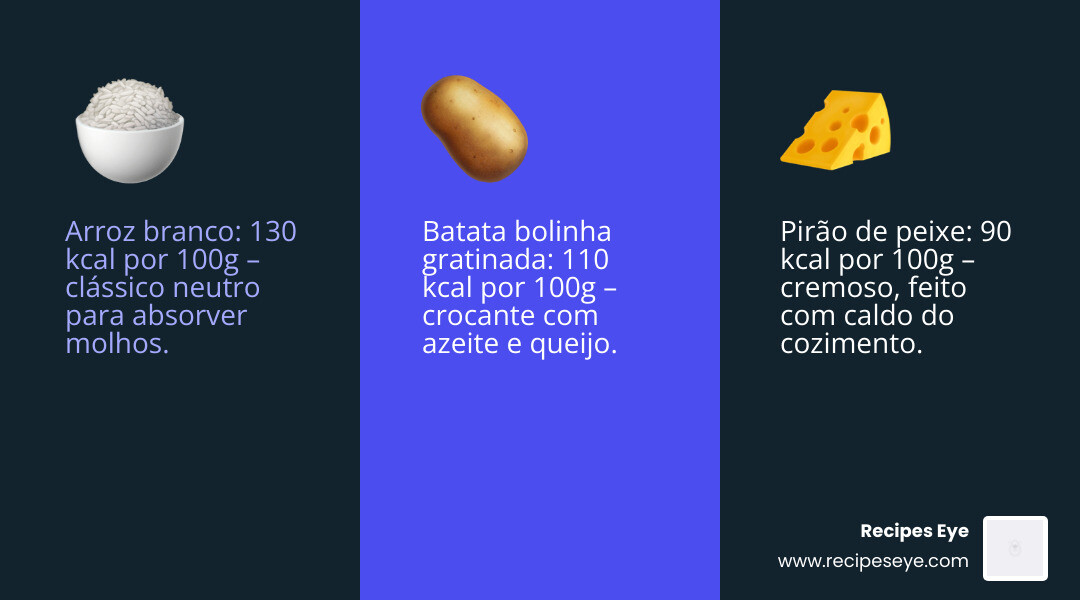
What to serve?
- White Rice: The absolute classic. It is neutral and perfect for mixing with the sauce.
- Fish Pirão: Made with the cooking broth itself and cassava flour. It is the soul of coastal cuisine.
- Roasted Baby Potatoes: Cook the potatoes, lightly smash them with the bottom of a glass, season with olive oil and cheese, and bake until golden.
- Seasoned Farofa: Brings the necessary crunch to contrast with the softness of the fish.
- Green Salad: Fresh leaves with a light vinaigrette help cleanse the palate between bites.
Conservation and Reheating Tips
If there are leftovers (which is hard!), store them in airtight glass containers.
- Shelf life: Fish in sauce lasts up to 2 days in the refrigerator. We do not recommend freezing fish already cooked in sauce, as the texture can become rubbery when thawed.
- Reheating: Avoid the microwave if possible, as it can overcook the fish. The ideal way is to heat it over low heat in a pan, adding a tablespoon of water to restore moisture to the sauce.
Frequently Asked Questions about Fish in Sauce
How to remove the bitter taste from tilapia in the fish in sauce recipe?
The “earthy” or bitter taste in some freshwater fish can be resolved with an acidic marinade of lemon or vinegar for 15 minutes. Also, make sure to remove the dark line (blood) in the center of the fillet, as that is where the strongest flavor is concentrated.
Can I use frozen fish to make fish in sauce?
Yes, but thawing must be complete and done in the refrigerator. Before seasoning, use paper towels to remove all excess water. If you put fish that is still releasing water into the pan, the sauce will become thin and the fish will lose its texture.
What is the average cooking time for fish in the sauce?
Over medium/low heat, fillets take 8 to 12 minutes. Thicker steaks can take up to 20 minutes. The sign that it’s ready is when the meat changes from translucent to opaque and starts to flake easily at the touch of a fork.
Conclusion
The fish in sauce recipe is more than just a meal; it is a way to bring health and freshness to your table in 2026. At Recipes Eye, we believe that healthy eating should be, above all, pleasurable. This dish brings together high-quality proteins, good fats, and an explosion of natural flavors.
We hope this guide has inspired you to go into the kitchen and experiment with new variations. Whether with the tropical touch of coconut milk or the classic simplicity of tomato sauce, success is guaranteed.
To continue your gastronomic journey, explore our Home and discover more incredible recipes at Recipes Eye. Bon appétit!

