
Why easy healthy recipes for kids make all the difference in the routine
Easy healthy recipes for kids that actually work in daily life — here are the best options by meal:
- Breakfast: oat and banana pancakes, carrot muffins, spinach and fruit smoothie
- Snacks: oat cookies, baked sweet potato drumsticks, quinoa bites, fruit popsicles
- Lunch/Dinner: zucchini pasta, lentil omelet, shepherd’s pie, rice and beans
- Healthy Dessert: carrot and coconut balls, beetroot brownie, fruit ice pops
Every parent has experienced this scene: the colorful and nutritious plate that returned untouched from the table. Frustrating, isn’t it?
The good news is that feeding children healthily doesn’t have to be a daily battle. According to the World Health Organization, a balanced diet is crucial for development. With the right recipes — simple, fast, and visually appealing — you can transform ordinary meals into moments that children ask for seconds.
The challenge is real. Many children have food selectivity. Others simply get bored with a repetitive menu. And parents, with their busy routines, end up resorting to processed foods full of sodium, sugar, and preservatives.
But there is a middle ground: recipes that use natural ingredients, take just a few minutes to prepare, and still manage to “hide” vegetables in children’s favorite dishes — like pizza, burgers, and pasta.
In this guide, you will find more than 20 recipes organized by meal, tips for involving your children in the kitchen safely, and strategies to overcome picky eating without drama.
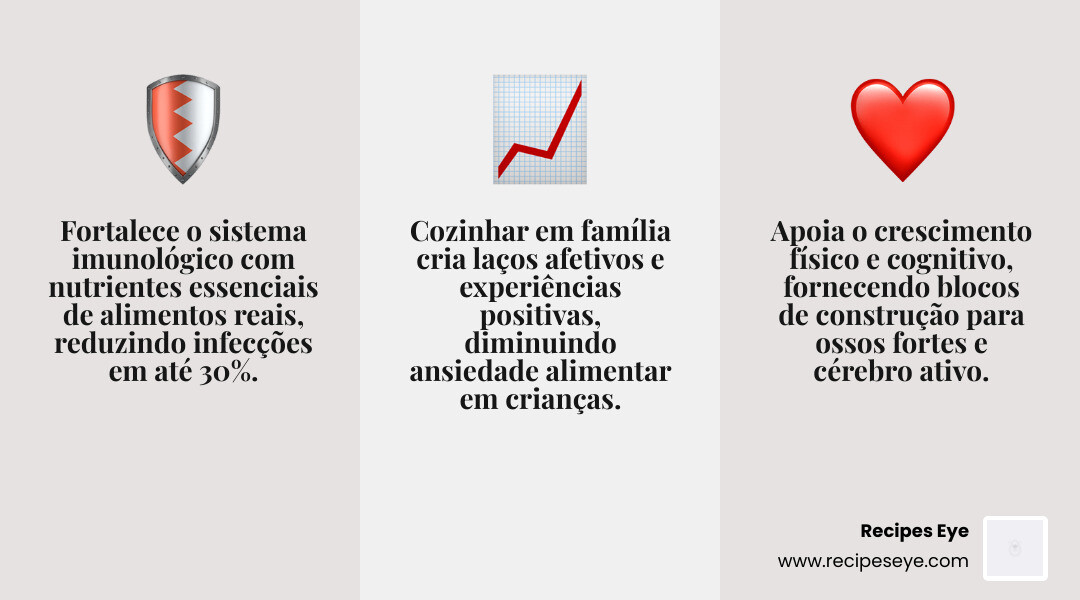
Benefits and strategies to overcome picky eating
In our experience at Recipes Eye, we have realized that the secret to successful child nutrition is not just what is on the plate, but how the food is presented. In April 2026, child nutrition trends focus increasingly on dietary autonomy and strengthening the immune system through “real” foods.
Preparing easy healthy recipes for kids brings benefits that go far beyond basic nutrition. When we offer varied foods, we are providing the building blocks for physical growth and cognitive development. Furthermore, cooking as a family strengthens emotional bonds and transforms the act of eating into a positive experience, reducing the anxiety that many children feel when faced with new foods.
How to make meals attractive?
For children with food selectivity, the visual is the first filter. If it looks “strange,” they won’t even taste it. Here are some strategies we use:
- Natural Colors: Use the vibrant color of beetroot to make pink pancakes or the green of spinach for “Hulk” muffins.
- Fun Shapes: Use cookie cutters to transform sandwiches into stars or fruits into hearts. Silicone molds also help create perfect individual portions.
- Varied Textures: Some children prefer crunchy over soft. Turning vegetables into oven-baked “chips” can be the gateway to acceptance.
- Autonomy: Let the child choose between two healthy vegetables. This gives them a sense of control over their own meal.
| Processed Snack | Healthy Homemade Alternative | Main Benefit |
|---|---|---|
| Frozen nuggets | Chicken nuggets with oats (baked) | Less sodium and trans fats |
| Sugary yogurt | Natural yogurt with blended fruit | Real probiotics and no dyes |
| Filled cookies | Oat and honey cookies | Fiber and lasting energy |
| French fries | Sweet potato chips in the Air Fryer | Vitamins A and C and low glycemic index |
Breakfast and snacks: easy and fast healthy recipes for kids
Breakfast is undoubtedly the meal that sets the pace for the day. To ensure the little ones have energy for school and play, we need options that combine complex carbohydrates, proteins, and vitamins.

Oat and Banana Pancakes
This is one of our favorites because it is naturally sweet.
- Ingredients: 1 ripe banana, 1 egg, 1/2 cup of rolled oats.
- Preparation: Blend everything in a blender. Heat a non-stick skillet with a drizzle of olive oil or coconut oil and brown small portions on both sides.
- Tip: Serve with fresh fruit on top for an incredible look.
“Green Energy” Smoothie
A great way to introduce green leaves early on.
- Ingredients: 1 frozen banana, 1 handful of fresh spinach, 1 cup of natural yogurt, and a little honey (if necessary).
- Preparation: Blend everything until very creamy. The banana flavor completely camouflages the spinach, leaving only the vibrant color.
Carrot and Oat Muffins
Perfect for preparing on Sunday to have snacks for the whole week.
- Ingredients: Grated carrot, eggs, oat flour, a touch of cinnamon, and baking powder.
- Preparation: Mix the ingredients, place in silicone molds, and bake for about 20 minutes at 180°C. They turn out fluffy and nutritious.
To discover more combinations and tips, visit https://www.recipeseye.com/ and explore our quick snacks section.
How to prepare easy healthy recipes for kids for the lunchbox?
The school lunchbox is a logistical challenge. The food needs to be tasty even at room temperature and easy to handle.
- Sweet Potato Drumsticks (Coxinhas): Instead of the traditional white flour and frying dough, use sweet potato puree with a little rice flour. Fill with shredded chicken or hearts of palm and bread in crushed cornflakes. Bake until golden. It’s crunchy and much lighter.
- Yam Cheese Bread: Cooked yam replaces part of the tapioca starch, adding nutrients and keeping the cheese bread soft for longer.
- Homemade Oat Bars: Mix oats, chopped nuts, honey, and dried fruits. Press into a pan, bake, and cut into bars. It is a much superior alternative to supermarket versions full of glucose syrup.
Storage Tip: Many of these recipes, like the muffins and drumsticks, can be frozen for up to 3 months. Just take them out of the freezer and put them straight into the lunchbox; by recess time, they will be thawed and fresh.
Lunch and dinner: transforming classic dishes into nutritious options
For lunch and dinner, the focus is on satiety and nutritional density. We want children to eat vegetables without it feeling like a “punishment.”

Zucchini Pasta with Meatballs
The secret here is the partial or total replacement of the pasta.
- Preparation: Use a spiralizer to turn the zucchini into long strands. Sauté quickly (only 2 minutes so it doesn’t release too much water). Serve with a homemade tomato sauce and lean meat or lentil meatballs.
- Why it works: The zucchini absorbs the flavor of the sauce, and the texture is very close to traditional spaghetti.
Healthy Chickpea Burger
An excellent option to reduce red meat consumption.
- Ingredients: Cooked chickpeas, onion, garlic, paprika, and a little whole wheat flour to bind.
- Preparation: Process the ingredients, shape the burgers, and grill. Serve on whole wheat bread with lettuce, tomato, and an avocado “mayonnaise.”
“Ninja” Lentil Omelet
For children who resist legumes, this recipe is foolproof.
- Preparation: Mash the cooked lentils well until they become a puree. Mix with eggs beaten with natural seasonings like turmeric (saffron) and parsley.
- Result: The lentils add iron and fiber but disappear into the fluffy texture of the egg.
How to “hide” vegetables in easy healthy recipes for kids?
While the ideal is for the child to recognize and accept the vegetable, the “camouflage” technique is a useful tool to ensure nutrition while the palate is developing.
- Texture Mimicry: Use shredded cauliflower to replace part of the rice or as a base for a pizza crust. When well-seasoned, the difference is minimal.
- Strategic Purees: Add pumpkin or carrot puree to the tomato sauce. This makes the sauce smoother, naturally sweet, and loaded with vitamin A.
- Flavor Encapsulation: Cocoa powder in a brownie can hide cooked beets or even black beans. The strong chocolate flavor dominates, while the vegetables ensure moisture and nutrients.
- Ninja Upgrade: Transform everyday beans into a broth blended with spinach and carrots. Strain it if the child is very sensitive to green bits.
Safety tips and kitchen involvement
Involving the little ones in preparing easy healthy recipes for kids is the best way to educate their palate. When a child helps wash a tomato or mix the dough, they feel proud of what they created and are much more likely to try the final result.
Age-appropriate tasks:
- 2 to 3 years old: Washing vegetables, tearing lettuce leaves, pouring already measured ingredients into a bowl.
- 4 to 6 years old: Cracking eggs (with supervision!), mashing bananas, greasing pans, using cookie cutters.
- 7 to 10 years old: Reading the recipe aloud, measuring ingredients with a scale or cups, helping to assemble plates, and even using child-safe plastic knives for simple cuts.
Golden Rules for Safety:
- Pot Handles Inward: Always turn handles toward the inside of the stove to avoid bumps.
- Knives and Sharp Objects: Keep them out of reach unless it is a supervised task with age-appropriate utensils.
- Hygiene First: Teach the importance of washing hands before touching any food.
- Constant Supervision: Never leave a child alone in the kitchen with appliances on or hot surfaces.
Cooking together develops motor coordination, teaches basic math (measurements), and, above all, builds confidence.
Frequently Asked Questions
What are the best sugar substitutes in children’s recipes?
In our recipes, we prioritize the natural sweetness of fruits. Very ripe bananas and blended dates are excellent for cakes and cookies. If you need an extra sweetener, honey (only for children over 1 year old) or demerara sugar in small quantities are better options than refined sugar. In April 2026, health guidelines continue to recommend avoiding any added sugar for babies up to 2 years old.
How to choose the best ingredients for meals?
The golden rule is: the fewer ingredients on the label, the better. Always prefer fresh and seasonal products, which are more nutritious and flavorful. By buying at local markets, you ensure food harvested more recently. For seasoning, forget bouillon cubes; use fresh herbs, paprika, turmeric, and onion.
What is the importance of varying the weekly menu?
Variety prevents monotony, which is one of the main causes of food rejection. Furthermore, each food color represents a different group of nutrients. A colorful plate ensures that the child receives a full range of vitamins and minerals necessary for their long-term health.
Conclusion
Creating healthy eating habits in childhood is one of the greatest gifts we can give our children. Although the path may have some challenges and rejected dishes, persistence and creativity always win.
With these easy healthy recipes for kids, we hope your kitchen routine becomes lighter, more fun, and, above all, nutritious. Every small victory — like a new fruit tasted or a vegetable accepted — is an important step toward a healthier future.
Want to continue transforming your family’s diet? At Recipes Eye, we are always looking for the best in nutrition and flavor.
Explore more tips and discover your next favorite recipe at https://www.recipeseye.com/. Let’s cultivate health together, one bite at a time!

