
Sopa de Legumes: A Warm Hug in a Bowl
What Is Sopa de Legumes — and Why Everyone Should Know It
Sopa de legumes is a traditional Portuguese vegetable soup made with floury potatoes, carrots, leeks, white kidney beans, and olive oil, blended into a creamy, nourishing bowl that comes together in under 30 minutes.
Quick answer — what you need to know:
- What it is: A blended vegetable soup from Portugal, naturally vegan and packed with fiber
- Core ingredients: Potatoes, carrots, leeks, onion, white kidney beans, olive oil, vegetable broth
- Cook time: About 30–45 minutes from start to finish
- Servings: Typically 6–8 people (around 1.5 liters per batch)
- Dietary info: Naturally vegetarian and vegan — no substitutions needed
- Storage: Up to 5 days in the fridge, or 3 months frozen
There is something deeply comforting about this soup. It is warm, simple, and honest.
In Portugal, soup is not an afterthought — it is a staple. Portugal is one of the highest soup-consuming countries in Europe. You will find it at home, at restaurants, and even at food courts. It is that central to everyday eating.
Sopa de legumes sits at the heart of that culture. It is the kind of dish that generations of Portuguese families have made on weekday evenings — filling, affordable, and genuinely delicious.

The Cultural Heart of Portuguese Sopa de Legumes
As we look at the culinary landscape in April 2026, it is clear that some traditions never go out of style. In Portugal, soup is more than just a dish; it is a ritual. Statistics consistently show that Portugal is one of the top consumers of soup in Europe. Whether it is a scorching summer day or a chilly winter night, a bowl of sopa de legumes is likely on the table.
This cultural obsession is so deep that even global chains adapt. For instance, McDonald’s Portugal serves two traditional Portuguese soup varieties every single day. It is a testament to the fact that for the Portuguese, a meal without soup often feels incomplete.
Historically, this soup served as a way to use seasonal garden harvests. It was, and remains, a starter course designed to provide a healthy dose of vitamins and fiber before a heavier main dish. For many, it brings back childhood memories of studying away or visiting grandparents, where the scent of simmering leeks and potatoes filled the kitchen. It is the ultimate “home cooking” experience—simple, rustic, and restorative.
Comparing Soup Consumption Habits
To put this into perspective, let’s look at how Portuguese soup habits compare to the rest of Europe.
| Metric | Portugal | European Average |
|---|---|---|
| Frequency of Consumption | 4–6 times per week | 1–2 times per week |
| Availability in Fast Food | Standard (Daily) | Rare/Seasonal |
| Primary Role in Meal | Essential Starter | Side or Light Lunch |
| Common Base | Blended Tubers/Legumes | Clear Broth or Cream-based |
Essential Ingredients for an Authentic Sopa de Legumes
To make a truly authentic sopa de legumes, we need to focus on the quality and type of ingredients. This isn’t just a “throw everything in the pot” situation; the textures are deliberate.
- Floury Potatoes: This is the secret to that signature creaminess. We recommend using potatoes with a high starch content (between 20% to 22%) and less water. In Portugal, these are known as batata farinhenta. Varieties like Bintje or Kennebec are perfect.
- The Aromatic Base: A combination of leeks and onions provides the foundational sweetness.
- The “Orange” Elements: Carrots and pumpkin (or squash) add color and a mild earthy sweetness.
- Legumes: White kidney beans (cannellini) are traditional. They add plant-based protein and help thicken the soup when blended.
- Greenery: Spinach or thinly sliced kale (couve) is usually added at the very end to provide texture and a pop of color.
While this recipe is rooted in tradition, it shares many similarities with other healthy Mediterranean options, such as the Sopa de vegetales de verano – Mayo Clinic, which emphasizes the use of fresh, seasonal produce.
One of the best things about sopa de legumes is that it is naturally vegan. We don’t need to substitute cream or butter because the starch from the potatoes and beans creates a velvety mouthfeel that rivals any dairy-heavy soup.
Mastering the Texture of Your Sopa de Legumes
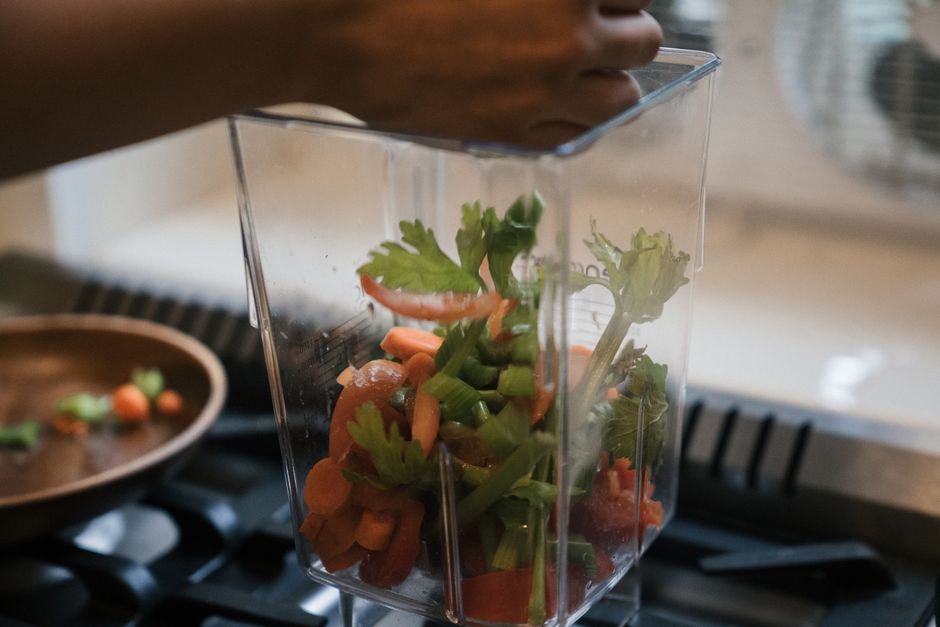
The texture of a Portuguese vegetable soup is what sets it apart. It is typically a “potage lié” (a thickened soup), but with a twist. Most recipes call for blending the base until it is a smooth, velvety purée and then adding some whole vegetables back in for a bit of “bite.”
We recommend using an immersion blender (hand blender) directly in the pot. This allows you to control the consistency perfectly. If you want an even silkier texture, you can use cauliflower as a substitution for some of the potato. Cauliflower is rich in soluble fibers that, when blended, create a sophisticated, smooth finish without adding extra calories.
Regional Twists on the Classic Sopa de Legumes
While the base remains similar, different regions and families add their own flair:
- The Azores: In the islands, you might find versions that include a bit of chouriço (Portuguese sausage) for a smoky depth, though this moves it away from the vegan traditional version.
- Greek-Style: Some variations incorporate more red bell peppers and tomatoes, leaning into a zestier, Mediterranean profile.
- Italian Minestra: This version might include small pasta shapes (macarrão miúdo) or a sprinkle of Parmesan cheese.
- Seasonal Greens: Depending on what is in the garden, you might see watercress, turnip greens, or even finely shredded cabbage added at the end.
Step-by-Step Guide to Making Traditional Sopa de Legumes
Cooking this soup is an exercise in patience and “mise en place.” Having everything chopped and ready makes the process seamless.
1. The Refogado Base
Start by heating a generous drizzle of extra virgin olive oil in a large Dutch oven or heavy-bottomed pot. Add your chopped onions and leeks. Sauté them on medium-high heat until they soften and become translucent. This “refogado” is the heart of Portuguese flavor. Add garlic toward the end, being careful not to let it brown, as burnt garlic can turn the whole batch bitter.
2. Adding the Hard Vegetables
Add your floury potatoes, two-thirds of your carrots, and your pumpkin or squash. If you are using turnip or chayote, add those now too. Pour in enough vegetable broth or filtered water to cover the vegetables by about two inches.
3. The First Simmer
Bring the pot to a boil, then reduce the heat to medium-low. Cover and let it simmer for about 20 to 25 minutes. You want the vegetables to be fork-tender—essentially falling apart.
4. The Blending Phase
Add half of your white kidney beans to the pot. Use your immersion blender to purée the mixture until it is completely smooth. If it feels too thick, add a splash more broth.
5. The “Chunky” Addition
Now, add the remaining carrots (finely diced) and the rest of the beans. Simmer for another 10–15 minutes until these new carrots are tender. This creates the beautiful contrast between the creamy base and the whole vegetable pieces.
6. The Final Touch and Salt Timing
Turn off the heat and stir in your spinach or kale. The residual heat will wilt the greens perfectly in about 5 minutes. Crucial Tip: Add your salt and pepper only at the very end. As the soup reduces, the flavors concentrate. If you salt too early, you risk an over-salted soup.

Serving, Storing, and Reheating Tips
A bowl of sopa de legumes is best served with a final drizzle of high-quality extra virgin olive oil on top. This “elevates” the dish, adding a fruity, peppery finish.
- Pairing: Serve it with a thick slice of crusty sourdough or traditional Portuguese pão de milho (cornbread).
- Refrigeration: This soup keeps beautifully. Store it in an airtight container for 3 to 5 days. In fact, many people think it tastes even better the next day!
- Freezing: This is a meal-prepper’s dream. You can freeze the soup in individual bags or containers for up to 3 months. Just remember to leave a little space at the top of the container as the liquid will expand when frozen.
- Reheating: Reheat on the stovetop over medium-low heat, stirring occasionally. If it has thickened too much in the fridge, simply add a tablespoon of water to loosen it up.
For more nutritious meal ideas and kitchen inspiration, be sure to visit us at RecipesEye.
Frequently Asked Questions about Sopa de Legumes
How long can vegetable soup sit out at room temperature?
According to food safety standards, you should never leave your soup out for more than two hours. Bacteria grow rapidly at temperatures between 40°F and 140°F (4°C – 60°C). If you’ve made a large batch, let it cool slightly, then move it to the fridge. To speed up cooling, you can place the pot in a sink filled with ice water.
Is sopa de legumes always vegetarian and vegan?
In its most traditional form, yes! The authentic Portuguese recipe relies on vegetables and beans for flavor and protein. However, always ask if you are eating out, as some households might use chicken broth or add a piece of lard or chouriço for extra fat. If you are making it at home, using vegetable broth ensures it remains 100% plant-based.
What are the best vegetables to add for extra flavor?
While the staples are potatoes and carrots, you can customize your sopa de legumes based on what is in your fridge. Chayote (chuchu) is excellent for adding volume without many calories. Turnips add a slightly peppery note, and zucchini provides a lovely silkiness. Don’t be afraid to add extra garlic cloves or fresh herbs like parsley and cilantro at the very end for a fresh finish.
Why Sopa de Legumes is the Ultimate Healthy Choice
We love this soup because it proves that “healthy” doesn’t have to mean “boring.” A single serving is packed with Vitamin A (from the carrots and pumpkin), Vitamin C, and iron. Because it is high in fiber and contains plant-based protein from the beans, it keeps you full for longer, making it an excellent tool for those looking to maintain a balanced weight.
At Recipes Eye, we believe that cooking should be an act of self-care. Starting your meal with a bowl of sopa de legumes is a simple way to ensure you’re getting your daily servings of vegetables while enjoying a piece of Portuguese heritage.
Whether you are starting a new resolution in April 2026 or just looking for a cozy Sunday meal, this soup is a “warm hug in a bowl” that never fails to deliver.
Discover more authentic recipes and join our community of home cooks dedicated to nutritious, delicious living!

