
What You Need to Know Before You Skyscanner Book Flights
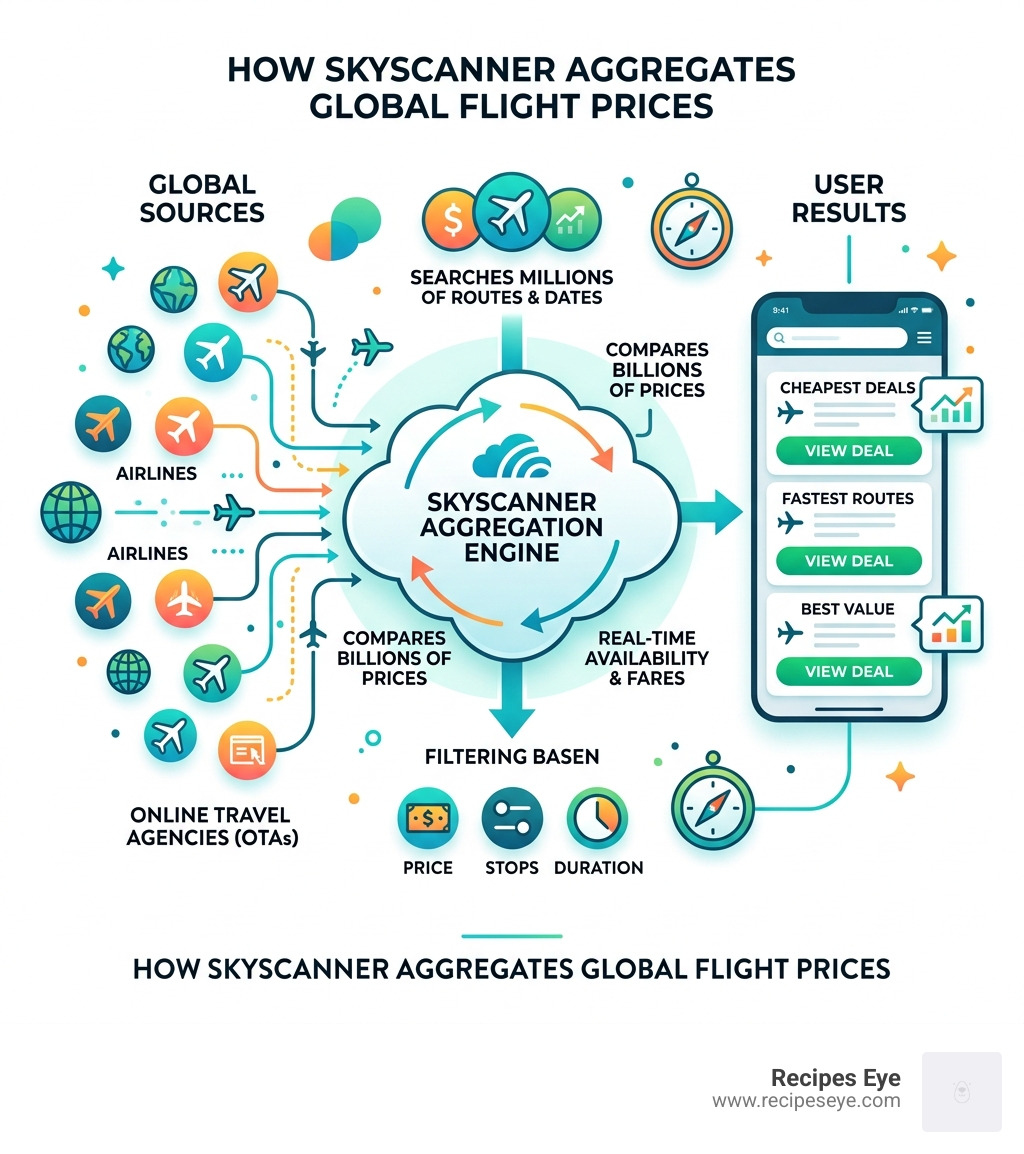
Skyscanner book flights is one of the fastest ways to find and compare cheap airfare from hundreds of airlines and travel agencies — all in one place, with no booking fees. In the early days of digital travel, finding the best deal meant opening dozens of tabs and manually comparing prices across different carrier websites. Today, Skyscanner has streamlined this process by aggregating data from over 1,200 travel partners, ensuring you see the full picture of the market in seconds.
Here’s the quick version of how it works:
- Go to Skyscanner — visit the website or open the app
- Enter your route and dates — or search “Everywhere” if you’re flexible
- Compare results — filter by price, stops, duration, or airline
- Click your chosen flight — Skyscanner redirects you to the airline or travel agency
- Complete your booking there — payment goes directly to the provider, not Skyscanner
That’s it. Skyscanner doesn’t sell tickets itself — it finds the best prices and sends you to the right place to buy. This metasearch model ensures that the platform remains unbiased, as they don’t have a vested interest in you choosing one airline over another; their goal is simply to show you the most accurate data available.
More than 100 million people use Skyscanner every month, and the platform searches through 80 billion prices every day to surface deals you’d likely never find on your own. Whether you know exactly where you want to go or you’re open to inspiration, Skyscanner gives budget-conscious travelers a powerful starting point. The sheer scale of this data processing allows the platform to identify trends and price drops that would be impossible for a human to track manually.
The rest of this guide covers every feature worth knowing — from month-view calendars to price alerts to multi-city trips — so you can get the most out of every search.
How to Use Skyscanner Book Flights Features for Maximum Savings

As we navigate through April 2026, the travel landscape has become more data-driven than ever. To truly master the art of the deal, we need to look beyond the basic search bar. When we Skyscanner book flights, we aren’t just looking for a seat on a plane; we are tapping into a global network of prices that fluctuate by the second. The complexity of modern airline pricing algorithms means that a fare can change based on demand, fuel costs, and even the time of day you search.
One of the most powerful tools in our arsenal is the Savings Generator. This feature uses historical flight data to provide us with deep insights into the best days to travel and, crucially, how far in advance we should be booking for specific routes. For example, if we are planning a trip from New York to London, the Savings Generator might tell us that booking 22 weeks in advance on a Tuesday can save us up to 15% compared to last-minute weekend bookings. This tool analyzes billions of data points from previous years to predict future pricing behavior with remarkable accuracy.
Mastering the “Everywhere” Search
If you are like us at Recipes Eye, you love a bit of adventure. Sometimes the goal isn’t a specific city, but simply the joy of discovery. This is where the “Everywhere” search becomes invaluable.
By entering your departure city and typing “Everywhere” in the destination box, Skyscanner ranks every country in the world by the lowest available price. It is the ultimate tool for travel inspiration. Whether it’s a spontaneous weekend getaway or a budget-friendly month-long trek, this feature ensures we never overpay for a destination just because it was the first one that came to mind. It allows us to be flexible, letting the deals dictate our next great story. This is particularly useful for digital nomads or those with a fixed budget but no fixed destination, as it often reveals hidden gems in countries you might not have considered visiting.
Finding the Cheapest Dates with Month View
Timing is everything. If your travel dates aren’t set in stone, the Month View is your best friend. Instead of searching for a specific day, we can select “Whole Month” to see a calendar or price graph of the entire month’s fares.
- Calendar View: Shows the exact price for every day, color-coded so we can easily spot the “green” (cheap) days versus the “red” (expensive) ones. This visual aid is essential for identifying the cheapest departure and return combinations.
- Price Graph: Provides a visual representation of price spikes and dips, making it easy to see if shifting our trip by just two or three days could save us hundreds of dollars. It helps us understand the volatility of a specific route during peak seasons.
By using these tools, we can align our travel with seasonal trends and avoid the “holiday tax” that often hits travelers who are locked into rigid schedules. Being flexible by even 24 to 48 hours can often result in significant savings that can be better spent on experiences at your destination.
Step-by-Step: How to Skyscanner Book Flights Successfully
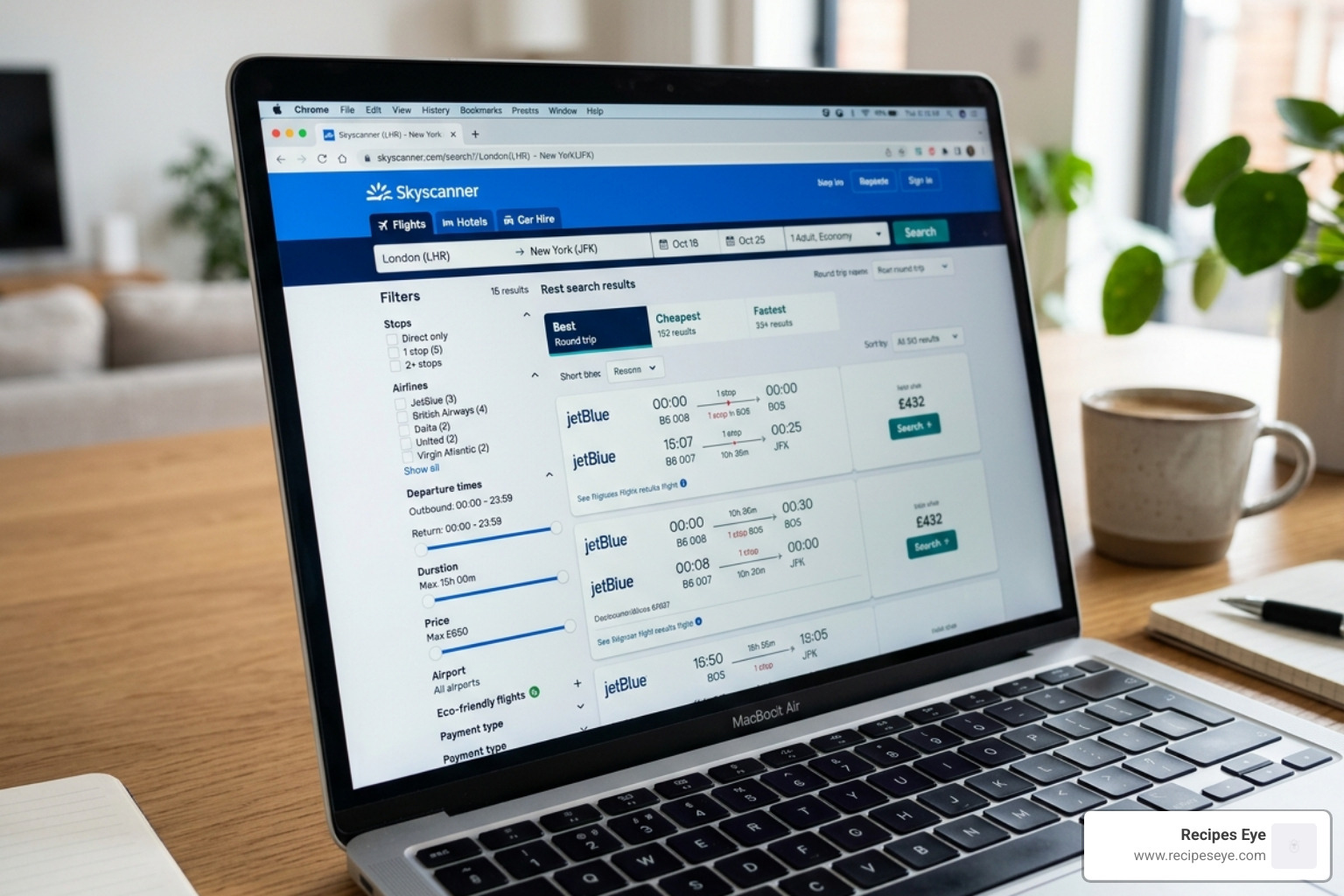
Once we’ve found that perfect fare, the process of actually securing the ticket is straightforward, but there are a few nuances to ensure a smooth experience. When we Compare Cheap Flights & Book Airline Tickets to Everywhere | Skyscanner, we are using a metasearch engine that prioritizes transparency and user choice.
Navigating the Redirect to Airline Sites
After selecting a flight, Skyscanner presents a list of “providers.” These include the airlines themselves (like United, Delta, or British Airways) and Online Travel Agencies (OTAs).
We generally recommend booking directly with the airline whenever possible. While an OTA might occasionally be a few dollars cheaper, booking direct makes it significantly easier to handle flight changes, cancellations, or baggage issues later on. Once we click “Select,” Skyscanner redirects us to the provider’s website. Our search criteria are carried over automatically, so we don’t have to re-enter our dates or destinations, which minimizes the risk of booking the wrong day by mistake.
Understanding Provider Ratings
Before you click through, pay close attention to the Provider Rating displayed next to each price. Skyscanner assigns a score to each booking site based on feedback from thousands of travelers. This rating covers the ease of the booking process, the transparency of fees, and the quality of customer support. We always suggest looking for providers with at least a 4-star rating to ensure peace of mind, especially when dealing with complex international itineraries.
Finalizing Your Skyscanner Book Flights Reservation
On the provider’s site, we complete the final steps:
- Enter Passenger Details: Ensure names match passports exactly. Even a small typo can lead to significant fees for corrections later.
- Select Add-ons: This is where we choose seats, add checked bags, or opt for travel insurance. Be wary of pre-selected boxes that might add unnecessary costs.
- Payment: We enter our credit card details on the provider’s secure checkout. Most providers accept major credit cards and digital wallets.
- Confirmation: We receive a booking reference (PNR) via email directly from the airline or agency. This is your official ticket information.
Skyscanner does not store your payment information or manage your booking. If we need to change a flight later, we contact the airline or agency listed on our confirmation email, not Skyscanner support. Keeping a digital and physical copy of your confirmation is always a wise travel practice.
Advanced Tools: Price Alerts and Greener Choices
In 2026, being a savvy traveler also means being a conscious one. Skyscanner has integrated tools that help us save money and the planet simultaneously. The platform has evolved to provide more than just price data; it now offers a holistic view of the impact of our travel choices.
Utilizing the App-Exclusive “Drops” Feature
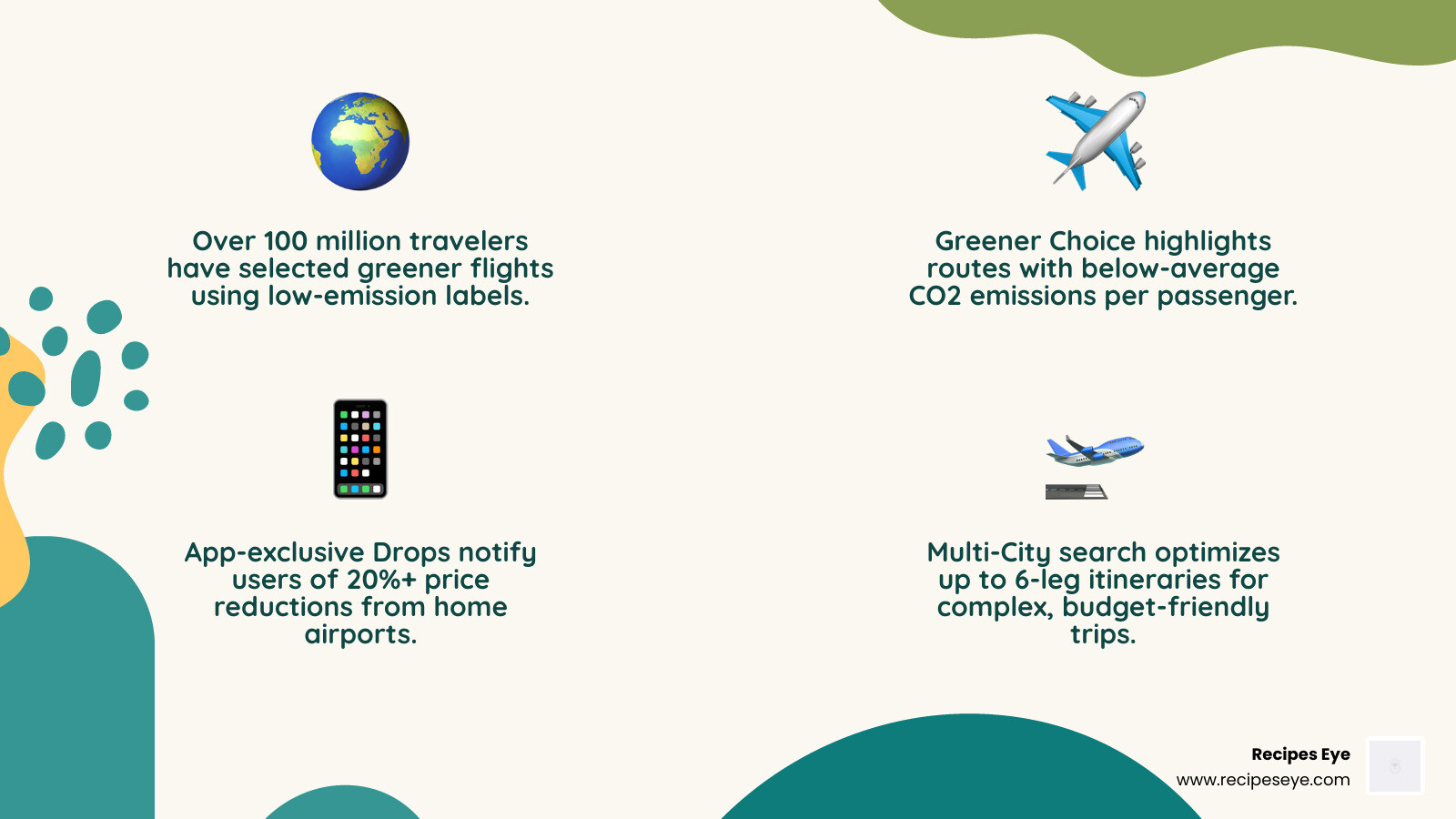
For those of us who prefer the mobile experience, the Skyscanner app (which boasts a 4.8/5 rating on the App Store) offers an exclusive feature called “Drops.” This tool sifts through billions of data points to hunt for flight price drops of at least 20% from our home airport. It’s like having a personal travel agent who only calls when there’s a massive sale. By turning on notifications, we can snag “mistake fares” or sudden promotional discounts before they disappear. These drops are often time-sensitive, so having the app ready to go is a major advantage.
Multi-City Itineraries and Complex Routes
Sometimes a round trip isn’t enough. Skyscanner’s Multi-City search allows us to add up to six legs on a single itinerary. This is perfect for “open-jaw” flights—for instance, flying into Paris but departing from Rome.
We can even use this to combine different modes of transport. If we find a cheap flight to Madrid, we might decide to take a train to Lisbon and then skyscanner book flights from Lisbon back home. This flexibility is key to optimizing our travel time and budget, allowing us to see more of the world without the logistical headache of booking separate one-way tickets manually.
The Science Behind Greener Choices
Furthermore, over 100 million travelers have now used Skyscanner’s “Greener Choice” label. This feature highlights flights with lower-than-average CO2 emissions for a specific route. The label is awarded based on a combination of factors, including the aircraft’s fuel efficiency, the route’s directness, and the airline’s use of Sustainable Aviation Fuel (SAF). It’s a simple way for us to make a positive impact without sacrificing convenience, helping us align our travel habits with our environmental values.
Frequently Asked Questions about Skyscanner
Does Skyscanner charge booking fees?
No. Skyscanner is a free service for travelers. They earn a commission from the airlines and travel agencies when we book, but the price we see on Skyscanner is the price we get. There are no hidden “Skyscanner fees” added at the end of the transaction. This transparency is one of the reasons the platform has maintained its popularity for over two decades.
How do I set up a Price Alert?
Setting up a Price Alert is simple. Once you perform a search for a specific route and date, look for the bell icon or the “Get Price Alerts” button. By entering your email address, Skyscanner will automatically monitor that flight for you. If the price goes up or down, you’ll receive an instant notification, allowing you to book at the absolute lowest point.
Can I book hotels and car rentals on Skyscanner?
Absolutely. While famous for flights, Skyscanner is a one-stop shop for travel. We can search for hotels, apartments, and hostels, often finding “mobile-only” deals on the app. For car rentals, keep an eye out for the “Fair Fuel Policy” flag, which ensures we aren’t overcharged for gas when returning the vehicle. This integrated approach makes planning an entire trip much more efficient.
How do I handle flight changes or cancellations?
Because Skyscanner is a search engine and not a booking agent, they don’t have access to our reservation details. If we need to change our flight, we must contact the airline or travel agency we completed the booking with. This is why we emphasize checking the “Provider Rating” on Skyscanner before clicking through—it helps us choose companies with good customer service records and clear refund policies.
Conclusion
Mastering the ability to skyscanner book flights is about combining the platform’s massive data power with a bit of strategic flexibility. By using the “Everywhere” tool, setting Price Alerts, and utilizing the Savings Generator, we can ensure that our travel budget goes further than ever before.
At Recipes Eye, we believe that a well-traveled life is a well-balanced life. Just as we carefully select the best ingredients for our nutritious recipes, we use Skyscanner to select the best ingredients for our journeys. Once you’ve booked your next flight, don’t forget to fuel your next adventure with healthy meals from our collection. Safe travels and bon appétit!

