
O segredo do arroz com legumes soltinho e saboroso
Why roasted vegetables are the perfect side dish for any meal
Roasted vegetables are one of the simplest, tastiest, and most nutritious ways to prepare vegetables at home. With few ingredients and less than 50 minutes, you can transform carrots, pumpkin, broccoli, and more into a golden dish, crispy on the outside and tender on the inside.
Quick answer — how to make roasted vegetables:
- Cut the vegetables into uniform pieces
- Season with olive oil, salt, pepper, and herbs to taste
- Spread on a baking sheet without overlapping the pieces
- Roast at 200–220°C for 30 to 40 minutes, turning halfway through
- Serve immediately, with an optional sauce
Each 110g serving has about 58 kcal and 2.2g of protein — light, nutritious, and versatile.
The best part? There is no rigid formula. You can use whatever you have in the fridge, adjust the seasonings to your taste, and the result is almost always delicious.
In this guide, you will learn everything: which vegetables to choose, how to cut them, what temperature to use, and how to avoid the most common mistakes.
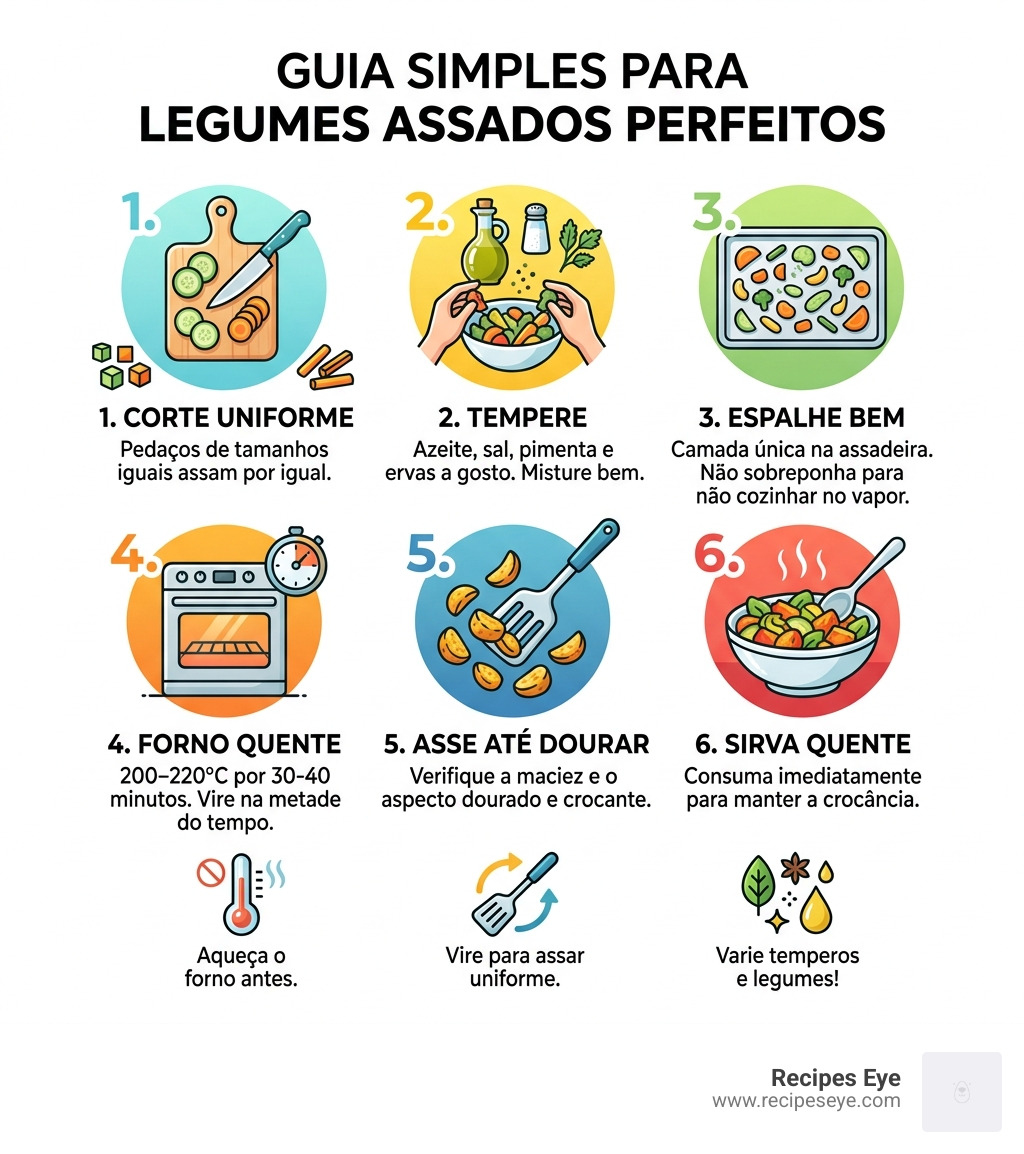
Practical guide to making perfect roasted vegetables
For us at Recipes Eye, the secret to a good dish of roasted vegetables starts even before turning on the oven. The choice of ingredients and how you prepare them determine whether they will be crispy and golden or soft and dull. In April 2026, the culinary trend is maximum utilization: using peels, stems, and leaves whenever possible to minimize waste and maximize nutrition.
The first step is cleaning. Wash the vegetables well and, most importantly, dry them completely. Water is the enemy of crispiness; if the vegetables are damp, they will steam instead of roast.
Next comes the cut. For all pieces to be ready at the same time, uniform cutting is essential. If you mix large chunks of potato with thin slices of zucchini, the zucchini will burn before the potato cooks.

Scientifically, the roasting process (especially above 150°C) triggers the Maillard Reaction. It is this chemical reaction between amino acids and sugars that creates that golden crust and the slightly sweet and nutty flavor we love so much. Additionally, roasting preserves certain nutrients better than boiling in water, where many water-soluble vitamins end up being discarded down the drain.
What are the best types of roasted vegetables?
While almost anything can go in the oven, some vegetables shine more than others:
- Roots and Tubers: Sweet potato, white potato, carrot, parsnip, and beet. They have density and natural sugars that caramelize beautifully.
- Cruciferous: Broccoli and cauliflower. The “florets” get crispy, almost like popcorn, while the stems stay tender.
- Pumpkins: Kabocha squash is excellent because it can be roasted with the skin, which becomes soft and edible.
- Quick-Cooking Vegetables: Zucchini, eggplant, bell peppers, and red onion. These should be cut into larger pieces if roasted along with root vegetables.
- Surprises: Radishes! If you find raw radishes too spicy, try roasting them. They lose their bite and become mild and sweet.
Essential seasonings for irresistible roasted vegetables
The basic seasoning is the trio: extra virgin olive oil, salt, and black pepper. But we can go much further to create layers of flavor.
- Fresh or Dried Herbs: Rosemary and thyme are classics for roots. Basil and oregano pair well with zucchini and tomatoes.
- Spices: Curry, smoked paprika, cumin, turmeric, or even a pinch of cinnamon (especially on pumpkin and sweet potato).
- The Chef’s Touch: Minced garlic or whole garlic cloves with the skin on (so they don’t burn). If you want a sweet and sour touch, mix a spoonful of honey or molasses into the olive oil. Balsamic vinegar also helps with caramelization.
For more healthy dish inspirations and culinary techniques, explore More healthy recipes.
Techniques for crispiness and intense flavor
The difference between a vegetable cooked in the oven and true gourmet roasted vegetables lies in the heat technique.
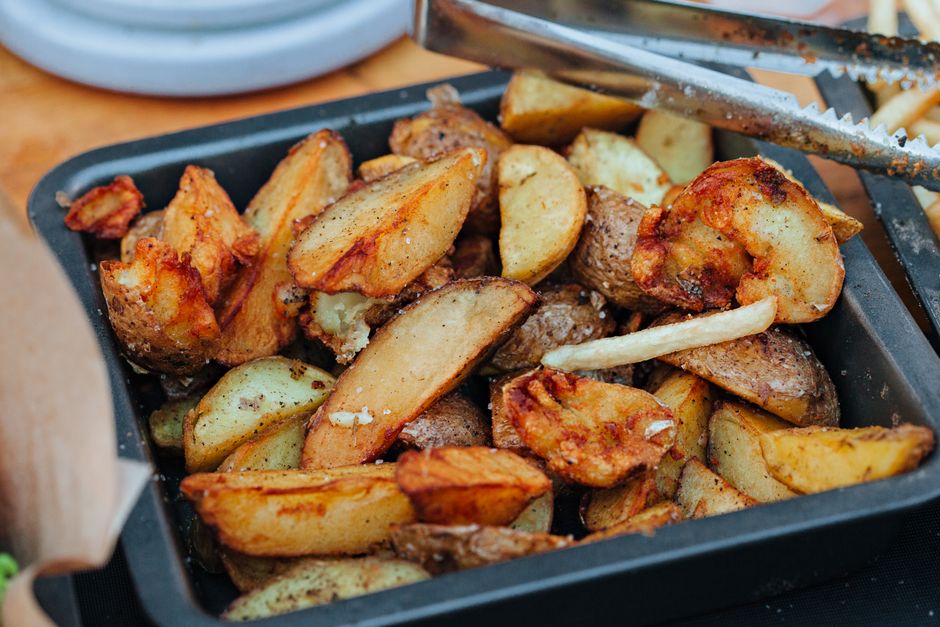
The most common mistake is overcrowding the baking sheet. If the vegetables are overlapping, they release moisture and “cook” each other in the steam. For them to be crispy, each piece needs space for hot air to circulate. Use two baking sheets if necessary.
The temperature secret for roasted vegetables
We recommend preheating the oven to a high temperature, usually between 210°C and 220°C. High heat is what ensures the golden exterior (caramelization) before the interior becomes excessively soft.
The average preparation time is 30 to 40 minutes. Halfway through, it is essential to open the oven and stir the vegetables with a spatula or give the tray a shake. This ensures that all sides come into contact with the hot surface of the baking sheet. If your oven has a convection mode (fan), use it! This speeds up the process and increases crispiness, but keep an eye on it so it doesn’t burn.
Using aluminum foil in preparation
Many people ask if they should cover the baking sheet. The answer depends on the desired result:
- With Aluminum Foil: Ideal for very hard vegetables (like large potatoes or chayote) that take longer to cook. Covering for the first 20 minutes creates a greenhouse effect, cooking the interior in its own steam.
- Without Aluminum Foil: Essential for the final phase. You should remove the foil in the last 15-20 minutes to allow moisture to evaporate and browning to occur.
- Direct Heat: For most vegetables cut into 2cm cubes, you can roast without foil from start to finish for maximum crispiness.
Healthy variations and side dishes
Roasted vegetables are naturally inclusive. They are vegan, gluten-free, lactose-free, and can be easily adapted for a low-carb diet (focusing on broccoli, cauliflower, zucchini, and bell peppers instead of potatoes).
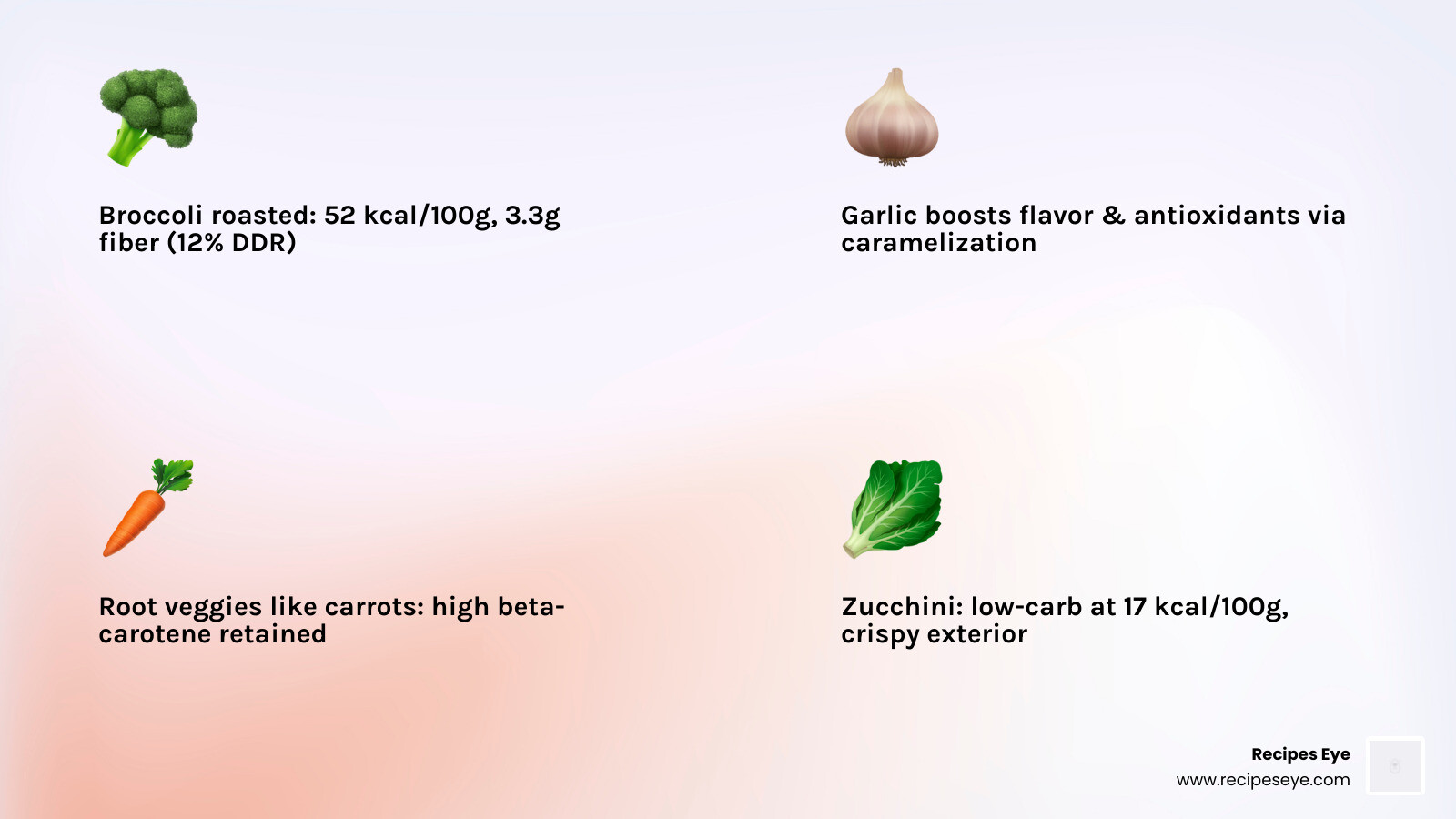
In nutritional terms, this dish is a powerhouse. An average serving provides about 12% of the Recommended Daily Allowance (RDA) of fiber. Fiber is essential not only for digestion but for blood sugar control and satiety. You can read more about this in this Scientific research on the benefits of high-fiber diets.
Sauces to serve with vegetables
While they are delicious on their own, a sauce can elevate roasted vegetables to main dish status.
- Tahini Cream: Mix tahini (sesame paste), lemon juice, a little water, minced garlic, and a pinch of salt. It’s creamy and rich in calcium.
- Yogurt Dip: Plain Greek yogurt whisked with chopped fresh mint, lemon zest, and a drizzle of olive oil. It brings incredible freshness to hot vegetables.
- Peanut Sauce: A version inspired by Thai cuisine, using peanut butter, soy sauce (shoyu), ginger, and a touch of pepper.
Common errors and how to store leftovers
Even though it’s a simple recipe, some slips can ruin dinner:
- Wet Vegetables: As mentioned, dry them well after washing.
- Excess Olive Oil: The vegetables should be shiny, not submerged in oil. Too much oil makes them heavy and soggy.
- Uneven Cuts: Small pieces burn, large pieces stay raw. Try to maintain a pattern.
- Forgetting to Stir: If you don’t turn the vegetables, only the side in contact with the pan will get golden.
How to store: If there are leftovers (which is rare!), roasted vegetables can be stored in the refrigerator in an airtight container for up to 5 days. They lose their original crispiness, but the flavor remains excellent. To freeze, the period is up to 60 days.
How to reheat: Avoid the microwave, which will make them soft. The best method is to put them back in a hot oven or an air fryer for 5 minutes. They will regain much of their crispy texture. Another idea is to use leftovers in cold salads, sandwiches, or blend them in a blender with vegetable broth to make an instant creamy soup.
Frequently Asked Questions about Roasted Vegetables
Do I need to cook the vegetables before roasting?
Most of the time, no. Direct cooking in the oven better preserves flavor and texture. The exception would be if you are in a big hurry and want to parboil very large potatoes for 5 minutes before taking them to a high oven.
How to prevent the vegetables from getting soft?
The key is: high temperature (220°C), a baking sheet without too many vegetables (don’t crowd), and ensuring the vegetables are very dry before seasoning with olive oil.
Can I roast frozen vegetables directly?
Yes, but they will hardly be as crispy as fresh ones. If using frozen, place them directly in a very hot oven without thawing, so the water evaporates as quickly as possible.
Conclusion
Preparing roasted vegetables is about reclaiming the pleasure of home cooking made with care, but without complication. It is a technique that respects the ingredient and highlights the best each vegetable has to offer: its natural sweetness and varied textures.
Whether for your meal prep of the week or for a special dinner in April 2026, we hope this guide helps you put more colors and nutrients on your plate. At Recipes Eye, we believe that eating well should be a pleasure accessible to everyone.
Ready to test it in your kitchen? Check out our exclusive recipes and discover new ways to transform simple ingredients into memorable meals.

