
Why Most People Struggle to Swap Junk Food for Healthier Snacks
Healthy snack alternatives to junk food are easier to find — and more satisfying — than most people think.
Here are some of the best simple swaps you can make right now:
| Instead of… | Try this instead |
|---|---|
| Potato chips | Kale chips or baked veggie chips |
| Candy | Fresh berries or dried fruit (no added sugar) |
| Ice cream | Frozen banana “nice cream” or Greek yogurt with honey |
| Soda | Fruit-infused water or a homemade smoothie |
| French fries | Baked sweet potato fries or roasted plantain chips |
| Chocolate bar | Dark chocolate (70%+ cocoa) with almonds |
| Nachos | Whole-grain pita with hummus and veggies |
| Sugary cereal | Plain Greek yogurt with berries |
Junk food is cheap, convenient, and engineered to keep you coming back for more. That makes it really hard to resist.
But here’s the thing: about 90% of Americans snack between meals. That’s a lot of daily calories that can either work for you or against you.
The problem isn’t snacking itself. It’s what we reach for when hunger hits. Most ultraprocessed snacks are loaded with added sugars, excess sodium, and artificial ingredients — and they leave you hungry again an hour later.
The good news? There are whole-food alternatives that satisfy the same cravings — sweet, salty, crunchy, or creamy — while actually fueling your body.
This guide walks you through the best swaps, craving by craving, so you can make the switch without feeling like you’re giving anything up.
The Science of Satiety: Why Choose Healthy Snack Alternatives to Junk Food?
It’s April 2026, and our understanding of how food affects our brains has never been clearer. When we reach for ultraprocessed junk food, we aren’t just eating calories; we are triggering a dopamine response that often leads to a cycle of overeating. Since about 90% of Americans snack between meals, the quality of those snacks determines our energy levels, mood, and long-term health.
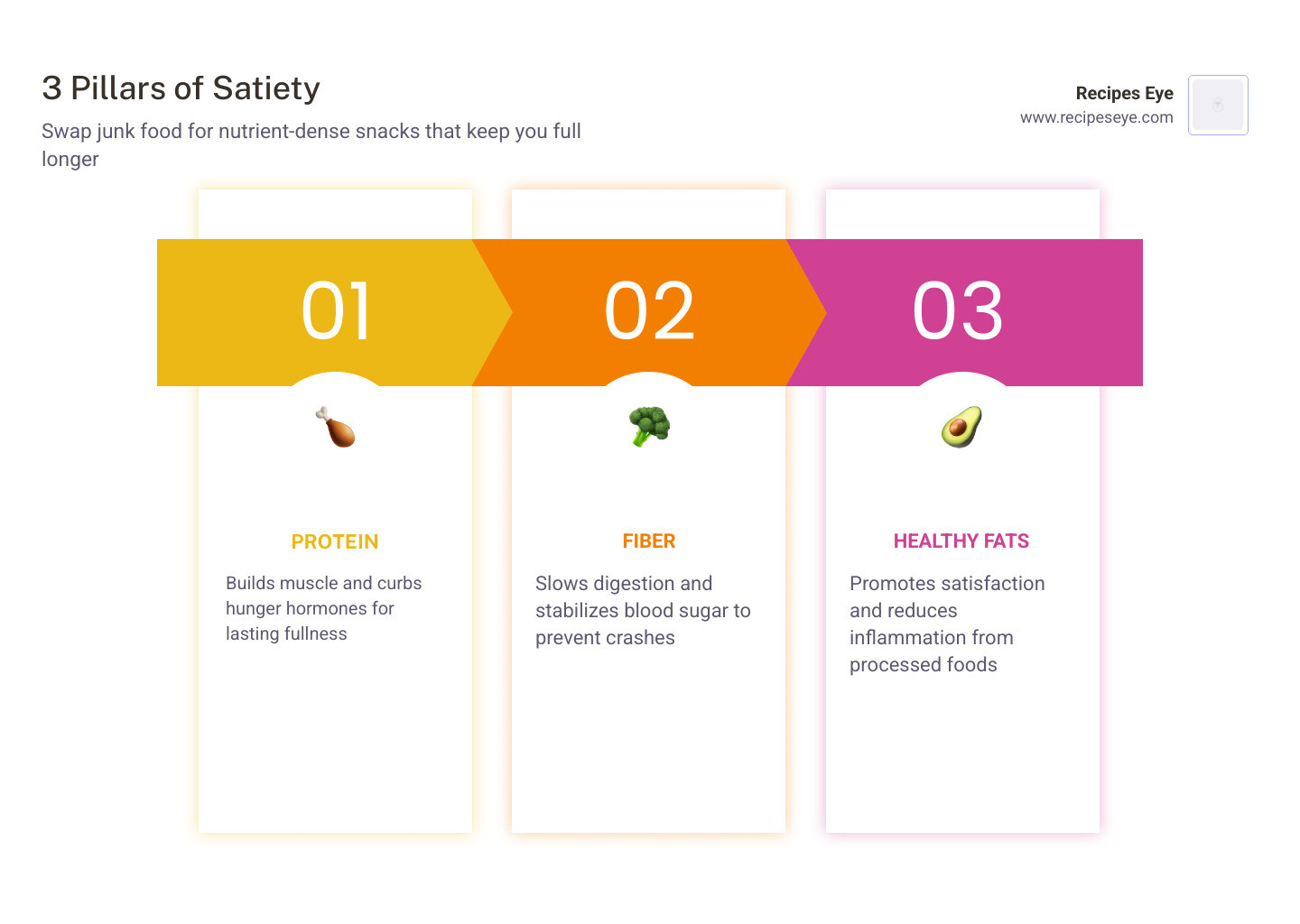
The secret to a successful snack lies in nutrient density. Unlike junk food, which offers “empty” calories, healthy snack alternatives to junk food focus on three pillars of satiety: protein, fiber, and healthy fats.
- Protein: This is the most satiating macronutrient. It triggers hormones that tell your brain you are full. For example, a single hard-boiled egg provides about 6 grams of high-quality protein for only 75 calories.
- Fiber: Found in fruits, vegetables, and whole grains, fiber adds bulk to your diet and slows down digestion. This prevents the dreaded “sugar crash” that follows a candy bar.
- Healthy Fats: Monounsaturated and polyunsaturated fats—like those found in avocados and nuts—keep you satisfied for hours and support brain health.
By choosing these whole foods, we also support our gut health. High-fiber snacks act as prebiotics, feeding the “good” bacteria in our microbiome. Furthermore, many whole foods possess anti-inflammatory properties. While sugary, processed snacks can promote inflammation, berries and dark leafy greens help combat it.
According to Scientific research on choosing snacks, well-timed, nutrient-dense snacks can actually prevent overeating at mealtimes. This makes them a powerful tool for weight management and blood sugar regulation. For those specifically looking to shed a few pounds, Scientific research on weight loss snacks suggests that pairing protein with fiber is the ultimate strategy for staying full on fewer calories.
Key Nutrients to Look For and Ingredients to Avoid
When we are grocery shopping, we need to be “label detectives.” Just because a package says “natural” or “organic” doesn’t mean it’s a healthy choice.
What to Look For:
- Fiber: Aim for at least 3 grams per serving in crackers or bread.
- Protein: Look for snacks that offer at least 5–10 grams of protein.
- Unsaturated Fats: Prioritize snacks containing nuts, seeds, or olive oil.
Ingredients to Avoid:
- Added Sugars: Check the label for high-fructose corn syrup, cane sugar, or maltodextrin. A good rule of thumb is to stay under 10 grams of sugar for items like flavored yogurt.
- High Sodium: Many savory snacks are salt bombs. Look for jerky or nuts with less than 300mg of sodium per serving (about 13% of your Daily Value).
- Trans Fats: Avoid anything with “partially hydrogenated oils” in the ingredient list.
- Artificial Additives: If the ingredient list looks like a chemistry textbook with names you can’t pronounce, it’s likely ultraprocessed.
Smart Swaps: Satisfying Every Craving Without the Guilt
Transitioning to healthy snack alternatives to junk food doesn’t mean we have to ignore our cravings. It means we learn to “trick” our taste buds with better options. Research into 6 Healthy Alternatives to Your Favorite Junk Food Snacks shows that you can mimic the textures and flavors of your favorite treats using whole ingredients.
Satisfying Sweet and Salty Desires
Sweet cravings are often the hardest to break, but nature provides plenty of “candy” if we know where to look.
- The Chocolate Fix: Instead of a sugary milk chocolate bar, try a square of dark chocolate (70% cocoa or higher) paired with almonds. You get the antioxidants from the cocoa and the protein/fat from the nuts to keep your blood sugar stable.
- The Ice Cream Alternative: “Nice cream” is a game-changer. Simply blend frozen bananas with a splash of almond milk. It has the exact texture of soft-serve but is packed with potassium and fiber.
- The Yogurt Swap: Skip the pre-sweetened fruit yogurts. Instead, use plain Greek yogurt and drizzle a teaspoon of honey or add fresh berries. This gives you about 12 grams of protein per half-cup without the massive sugar spike.
For those who crave salt, the goal is to find crunch without the excessive grease and sodium found in standard chips.
- Popcorn: Air-popped popcorn is a volume eater’s dream. A 3-cup serving is less than 100 calories and provides 4 grams of fiber. Skip the butter and use a mist of olive oil with nutritional yeast or smoked paprika for a “cheesy” flavor.
- Roasted Chickpeas: These are the ultimate chip replacement. When roasted, chickpeas become incredibly crunchy. They offer about 10 grams of protein and 6 grams of fiber per half-cup.
- Savory Protein: If you want something heartier, beef jerky is a great portable option. Look for natural brands with low sodium (aiming for that 300mg limit). Most beef sticks provide about 9 grams of protein per ounce.

Crunchy and Fried Alternatives
That “fried” mouthfeel is often what we miss most when dieting. Fortunately, baking and air-frying can replicate that satisfaction.
- Kale Chips: When tossed in a little olive oil and sea salt and baked until crisp, kale loses its bitterness and becomes a light, crunchy snack rich in vitamins A, C, and K.
- Baked Sweet Potato Fries: Instead of deep-fried white potatoes, slice up sweet potatoes, toss them in a teaspoon of rapeseed oil, and bake. You get a dose of beta-carotene and fiber with significantly less fat.
- Middle Eastern Nachos: Swap corn chips for toasted whole-grain pita triangles. Top them with a dollop of hummus, diced cucumbers, and a sprinkle of feta. It’s a nutrient-dense take on a classic comfort food.
- Jicama Sticks: If you just want the crunch, raw jicama is an overlooked superstar. It’s hydrating, low-calorie, and perfect for dipping into salsa or guacamole.
For more inspiration on heart-healthy nibbles, the 15 healthy snack ideas – BHF guide offers fantastic recipes like beetroot hummus and Mediterranean muffins.
Mastering the Transition: Tips for Families and Busy Professionals
Success in healthy snacking isn’t about willpower; it’s about preparation. We recommend a “gradual change” approach. Don’t throw out everything in your pantry at once. Start by swapping one junk food item a week for a healthier alternative.
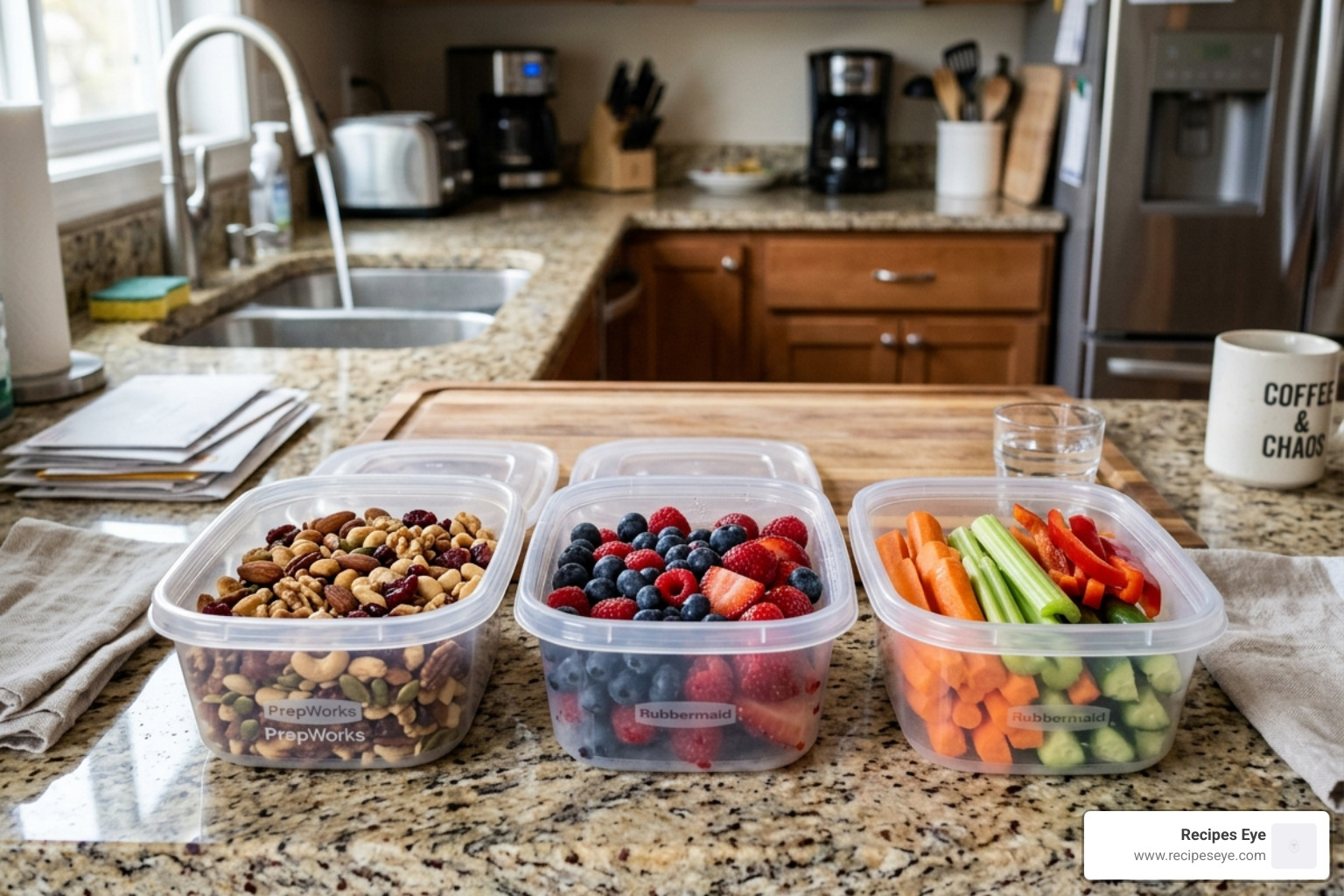
Portion control is also vital. Even healthy foods like nuts are calorically dense. A serving of nuts is typically 1 ounce (about a small handful or 1/4 cup). To avoid mindless eating, never eat directly from a large bag. Pre-portion your snacks into small containers or reusable bags.
For busy professionals, portable snacks are a lifesaver.
- Hard-boiled eggs: Prepare a batch on Sunday. They are the perfect “grab-and-go” protein fix.
- Edamame: You can buy these frozen (in the pod or shelled). They are a complete plant-based protein, providing 18 grams of protein per cup.
- Homemade Trail Mix: Avoid store-bought versions filled with chocolate chips and salt. Mix unsalted almonds, walnuts, and a few raisins or dried cranberries for a balanced energy boost.
Making Healthy Snacking Fun for Children
In our cosmic journey through life, we want our kids to have the best “fuel” for their adventures. It is a startling fact that a quarter of the sugar kids have every day comes from sugary drinks. By changing their snacking habits early, we set them up for a lifetime of health.
- Involve the Kids: Let them help you make “fruit lollies” by freezing blended fruit and yogurt in molds. When kids help prepare the food, they are more likely to eat it.
- Use Imagination: Frame healthy snacks as “cosmic fuel” or “explorer rations.” Use cookie cutters to turn watermelon or whole-wheat bread into fun shapes.
- Yogurt Bark: Spread Greek yogurt on a baking sheet, top with berries and a few dark chocolate chips, and freeze. Once solid, break it into “shards.” It looks like a treat but is packed with protein and probiotics.
- Decorate Water Bottles: To move away from sodas and juices, let your children decorate their reusable water bottles with stickers. Add slices of lemon, mint, or frozen berries to the water to make it more appealing.
Frequently Asked Questions about Healthy Snack Alternatives to Junk Food
What are the best healthy snack alternatives to junk food for weight loss?
For weight loss, prioritize snacks that provide high satiety for low calories. Greek yogurt with berries, apple slices with a small amount of peanut butter, and cottage cheese with pineapple are excellent choices. These options provide a mix of protein and fiber that keeps you full, preventing the “hunger pangs” that lead to overeating later. A 1/2 cup of cottage cheese packs 12–14 grams of protein, making it a weight-loss powerhouse.
How can I find healthy snack alternatives to junk food for my children?
Focus on “whole food swaps.” Replace fruit gummies with dried fruit (ensure there is no added sugar). Swap ice cream for frozen yogurt or banana nice cream. If they love crunchy chips, try baked veggie chips or air-popped popcorn. Using natural sweeteners like date powder in homemade muffins is also a great way to reduce refined sugar while keeping things sweet.
What are quick and portable healthy snack alternatives to junk food?
Mixed nuts (stick to 1-ounce portions), portable fruits like pears and oranges, and beef sticks (look for 9g protein versions) are perfect for life on the go. Dry whole-grain cereal (like oat squares) kept in a small baggie or steamed edamame are also quick, mess-free options that provide much more nutrition than a vending machine granola bar.
Conclusion
Making the switch to healthy snack alternatives to junk food is one of the most impactful changes you can make for your overall well-being. It’s not about deprivation; it’s about discovery. Whether it’s the satisfying zing of roasted chickpeas or the creamy delight of a frozen banana pop, there is a world of flavor waiting outside the vending machine.
At Recipes Eye, we are dedicated to helping you discover and share incredible, nutritious recipes that make healthy living feel like a treat rather than a chore. As a Portuguese-language platform with a global reach, we focus on making healthy eating accessible, appealing, and, most importantly, delicious for everyone.
Ready to start your journey toward better snacking? Explore More info about healthy recipes and join our community of food lovers who believe that great health starts with a great plate. Let’s make every snack count!

