
Healthy eating tips: What is it and why start today?
Healthy eating tips are more necessary than ever: in April 2026, Brazil still faces a worrying scenario, with estimates indicating that the consumption of ultra-processed foods is associated with about 57,000 deaths per year in the country.
The good news? Eating well doesn’t have to be complicated, expensive, or painful.
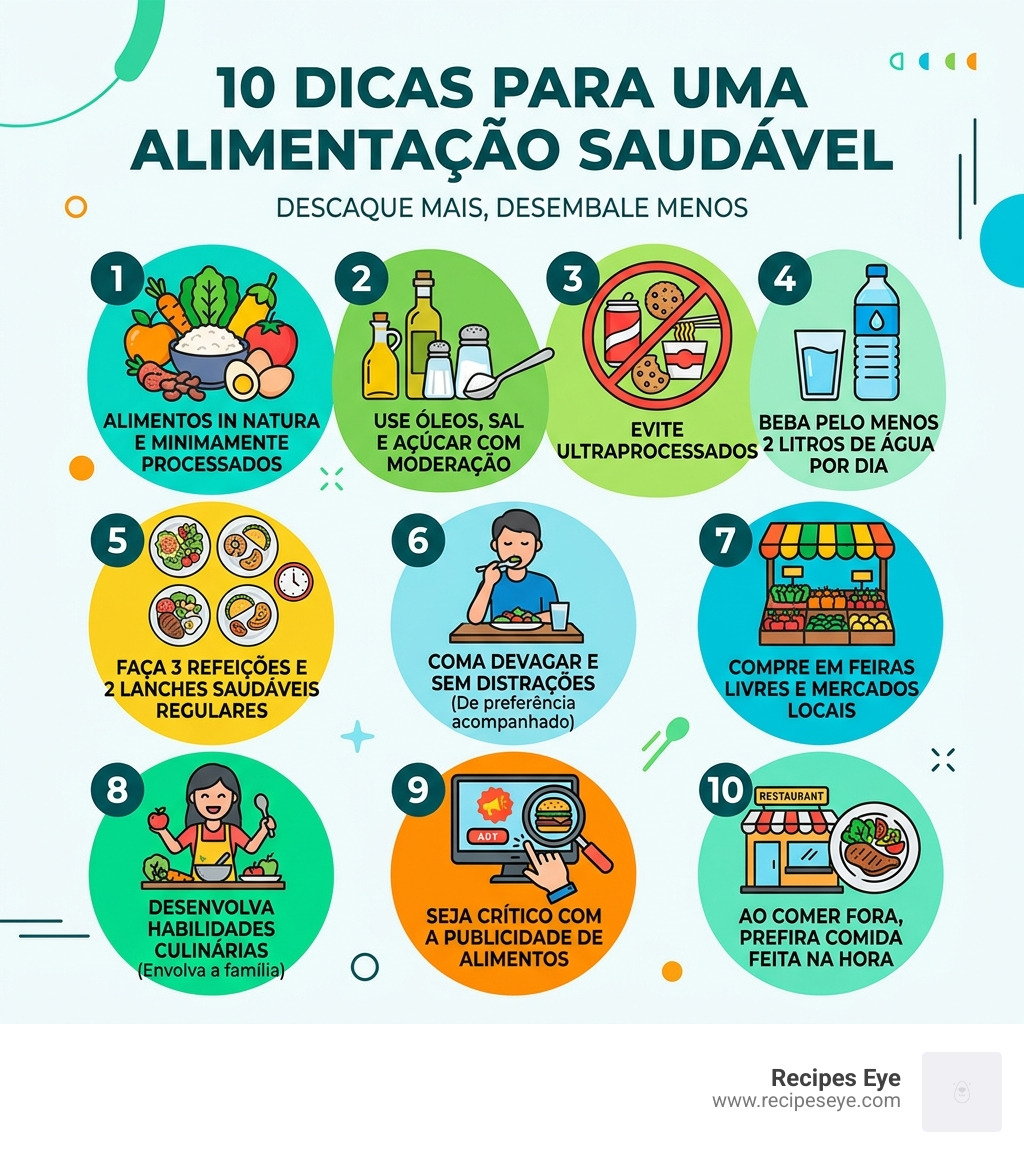
Here is a quick summary of the main healthy eating tips:
- Prefer fresh and minimally processed foods such as fruits, vegetables, rice, beans, and eggs
- Use oils, salt, and sugar in moderation when cooking
- Avoid ultra-processed foods such as sodas, stuffed cookies, and instant noodles
- Drink at least 2 liters of water per day
- Have at least 3 meals and 2 healthy snacks at regular times
- Eat slowly and without distractions, preferably accompanied
- Buy at open-air markets and local stores, prioritizing seasonal foods
- Develop culinary skills and involve the family in meal preparation
- Be critical of food advertising – ads sell, they don’t educate
- When eating out, prefer restaurants with freshly made food
The golden rule of the Dietary Guide for the Brazilian Population summarizes everything in six words: peel more and unwrap less. In other words, the more the food looks like what nature produced, the better it is for you.
But knowing this in theory is different from putting it into practice daily. The rush, the cost of living, and old habits are real obstacles. This guide was created exactly for that: to transform the principles of healthy eating into concrete steps that anyone can follow.
Often, we hear the expression “balanced diet” and immediately think of restriction. However, we at Recipes Eye believe that true Healthy eating is one that offers all essential nutrients – carbohydrates, proteins, good fats, vitamins, and minerals – in a pleasant and sustainable way.
Why does this matter so much now, in 2026? Because the benefits go far beyond the scale. A diet rich in natural foods helps to:
- Prevent chronic diseases (NCDs): Drastically reduces the risk of type 2 diabetes, hypertension, cardiovascular diseases, and even some types of cancer.
- Strengthen immunity: Nutrients like zinc, iron, and vitamins A, C, and D are the “soldiers” that protect our body against infections.
- Improve mental well-being and mood: There is a direct connection between the gut and the brain. Nutrients like tryptophan and magnesium help in the production of serotonin, the happiness hormone.
- Increase sleep quality: B-complex vitamins and omega-3 regulate the circadian cycle, helping you sleep better and wake up with more energy.

The Golden Rule: Peel more and unwrap less
To make your life easier, modern nutritional science has simplified how we look at food. Instead of counting calories obsessively, the focus is now on the level of processing. Understanding this logic is one of the best Healthy eating tips we can share.
According to the portal Close the package and open the guide, foods are divided into four categories:
- In Natura: These are foods obtained directly from plants or animals without changes. Examples: fresh fruits, vegetables, eggs, and lentils.
- Minimally Processed: Fresh foods that have undergone simple processes such as cleaning, grinding, or freezing (without adding salt or sugar). Examples: rice, beans, pasteurized milk, and chilled meats.
- Processed: These are manufactured by the industry with the addition of salt, sugar, or oil to last longer. Examples: canned goods in brine, cheeses, and artisanal breads.
- Ultra-processed: Industrial formulations made entirely or mostly of substances extracted from foods and chemical additives. Examples: sodas, packaged snacks, and frozen lasagnas.
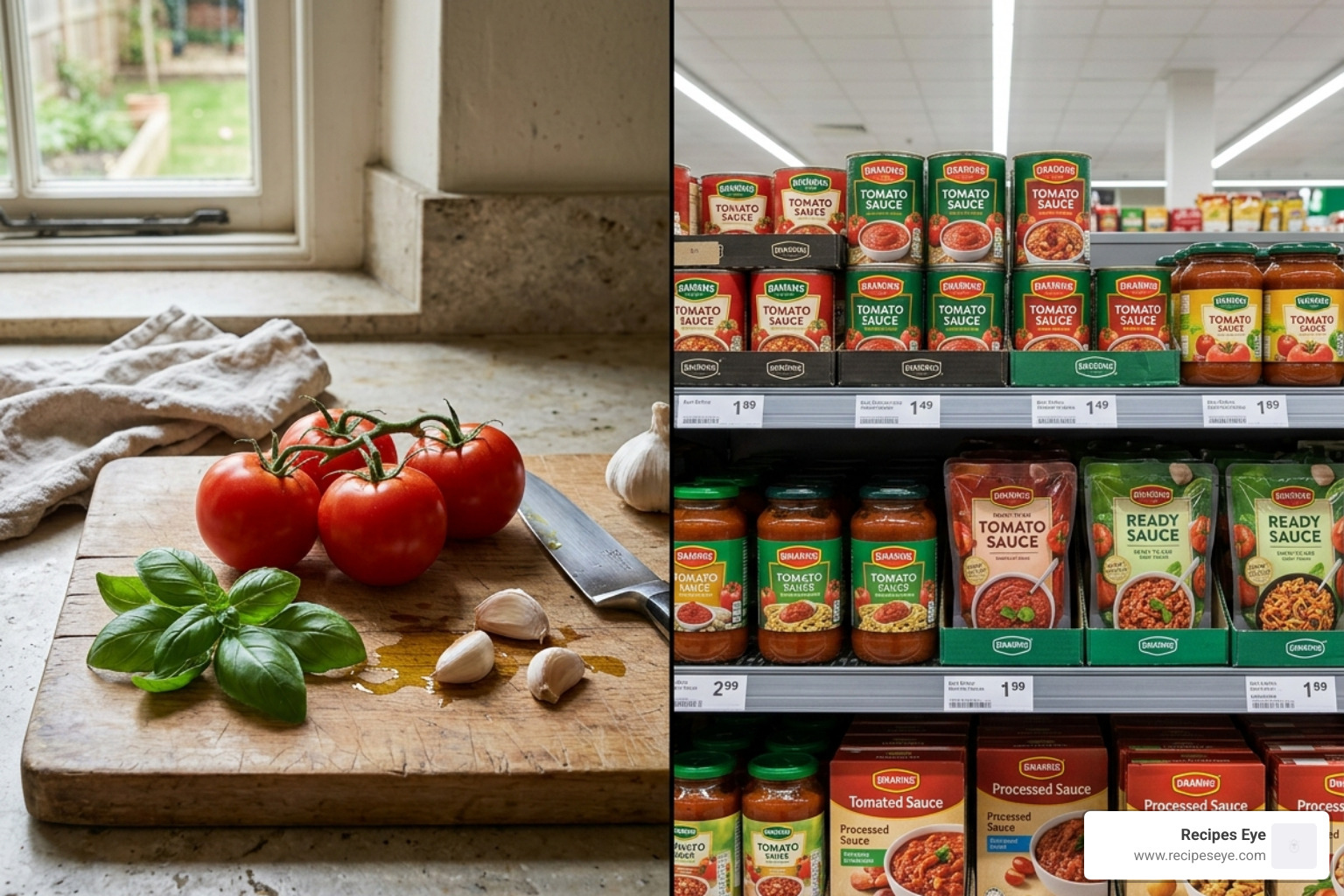
Healthy eating tips for identifying ultra-processed foods
Identifying a villain disguised as “healthy” on market shelves requires a careful look. Here are some practical strategies:
- The ingredient list is the key: If the list has five or more ingredients, and many of them have names you wouldn’t recognize in a domestic kitchen (such as thickeners, dyes, or flavorings), it is ultra-processed.
- Beware of “fake healthies”: Fruit-flavored yogurts, industrial cereal bars, and boxed juices are often loaded with hidden sugars and sodium.
- Pay attention to labels: Look for the “magnifying glass” seal (High in Added Sugar, Saturated Fat, or Sodium), which is now mandatory for many products.
Remember: the excessive consumption of these products is linked to 57,000 annual deaths in Brazil. Avoiding them is not just an aesthetic choice, it’s a matter of survival.
10 Steps to transform your eating routine in 2026
Changing habits can feel like a roller coaster, but following the official roadmap from the Ministry of Health makes the path safer. Below, we have prepared a comparative table to help you prioritize your changes:
| Step | Practical Action | Why do it? |
|---|---|---|
| 1. Diet base | Prioritize fresh and minimally processed foods. | Ensures natural nutrients and fibers. |
| 2. Seasonings | Use oils, salt, and sugar in small amounts. | Avoids hypertension and obesity. |
| 3. Limit | Consume fewer processed foods. | Reduces the intake of preservatives. |
| 4. Avoid | Cut ultra-processed foods from your routine. | They are nutritionally unbalanced. |
| 5. Attention | Eat regularly and with total focus. | Improves digestion and satiety. |
| 6. Location | Buy at open-air markets and local stores. | Fresher and cheaper foods. |
| 7. Kitchen | Develop your culinary skills. | Gives autonomy over what you eat. |
| 8. Planning | Organize shopping and the weekly menu. | Avoids resorting to fast food due to lack of time. |
| 9. Eating out | Prefer places with freshly made food. | Maintains the quality standard of the diet. |
| 10. Criticism | Question food advertising. | Protects you from misleading marketing. |
Developing skills in the kitchen is liberating. When you learn to make fluffy rice or season vegetables with fresh herbs, the pleasure of eating real food increases exponentially. In addition, involving children in preparation helps form healthier palates from an early age.
Healthy eating tips for eating out
Eating out doesn’t have to be synonymous with “going off the rails.” In 2026, with a busy routine, knowing how to choose the right restaurant is fundamental.
- Self-service restaurants are your allies: They allow you to assemble a colorful plate, prioritizing salads, grains, and grilled proteins.
- Avoid fast-food chains: These places base their menu on ultra-processed foods that addict the palate and offer very little nutrition.
- Value regional ingredients: In Brazil, we have immense wealth. Cassava, acai (pure), corn, and various beans are nutritional treasures.
- Practice Mindful Eating: Eat slowly, feel the flavor and texture. This gives your brain time to understand that you are satisfied, avoiding excess.
Practical habits: Hydration, snacks, and family
Often, we fail in our diet because of the “intervals.” What you eat between lunch and dinner makes all the difference.
The science of hydration: Forget the generic 2-liter rule. The personalized recommendation is 35ml of water per kilogram of body weight. If you weigh 70kg, your ideal is about 2.45 liters daily. Tip: If you find water boring, try flavored waters with slices of lemon, mint, or ginger.
Smart snacks: To avoid falling into the temptation of stuffed cookies, always have on hand:
- Fresh or dried fruits (in moderate portions).
- Nuts and seeds (one closed hand per day).
- Natural yogurt (add chopped fruits instead of buying the flavored one).
- Boiled eggs (an excellent source of cheap protein).
For families, the tip from the portal 10 ways to follow a healthy diet – Ministry of Health is clear: make meals a moment of union. Eating together, without cell phone or TV screens, strengthens bonds and teaches children to have a healthy relationship with food.
Frequently Asked Questions about Healthy Eating
What is the difference between processed and ultra-processed foods?
Processed foods are basically fresh foods to which the industry adds salt or sugar for preservation (such as canned corn or cheeses). On the other hand, ultra-processed foods are laboratory creations. They contain little or no whole food and are full of additives such as dyes, flavorings, and flavor enhancers. While processed foods can be part of a balanced meal in small quantities, ultra-processed foods should be avoided as much as possible.
How to save money on healthy eating?
There is a myth that eating well is expensive. In fact, the base of the Brazilian diet – rice and beans – is cheap and nutritious. To save money:
- Buy in season: Seasonal fruits and vegetables are tastier and cost half the price.
- Go to the market at the end of the day: The famous “clearance hour” guarantees great discounts.
- Buy in bulk: Grains, flours, and seeds are usually cheaper when bought by weight.
- Cook at home: The cost of a frozen ultra-processed meal is much higher than preparing the same amount of food with fresh ingredients.
How much salt and sugar can I consume per day?
The World Health Organization (WHO) recommends:
- Salt: Less than 5g per day (one level teaspoon). Reducing salt can prevent 1.7 million annual deaths worldwide.
- Sugar: Less than 10% of total calories (ideally less than 5%, or about 25g/day). A great tip is to replace salt with natural seasonings like garlic, onion, basil, parsley, and pepper. This increases flavor without harming blood pressure.
Conclusion
Having a healthy diet is not about perfection, but about balance and conscious choices. By prioritizing “real food” and reducing the industry’s colorful packages, you are investing in your most precious asset: your health and longevity.
Here at Recipes Eye, our mission is to show that this path can be delicious. With a little planning, curiosity to test new flavors, and respect for our food culture, eating well becomes a natural habit, not an obligation.
Ready to start? Explore More healthy recipes on our platform and discover how to transform simple ingredients into extraordinary meals. The secret lies in peeling more, cooking with love, and savoring every moment!

