
Como fazer a melhor receita de bolo rei caseiro do mundo
The Homemade King Cake That Will Surprise the Whole Family
The best homemade king cake recipe starts with simple ingredients and the right technique — and the result is much better than any version bought at a bakery.
Here is the essential guide to making a perfect Bolo Rei at home:
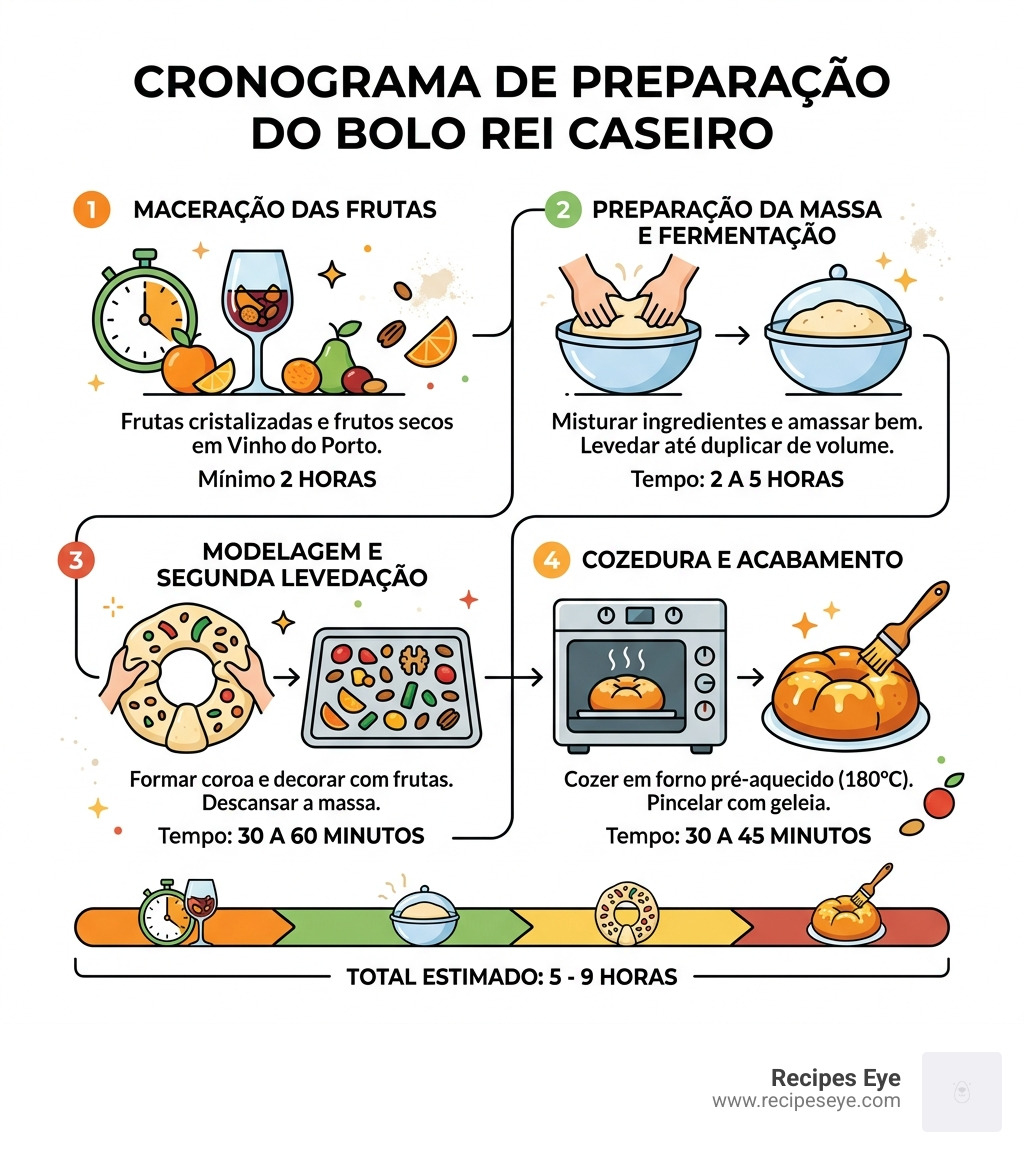
- Key ingredients: 750g of T55 flour, 150g of butter, 150g of sugar, 4 eggs, biological yeast, orange and lemon zest, Port wine, candied fruits, and nuts
- Fruit maceration: Soak the fruits in Port wine for at least 2 hours beforehand
- Fermentation: Let the dough rise in a warm place until it doubles in volume (between 2 to 5 hours, depending on the room temperature)
- Oven: Bake at 180°C for 30 to 45 minutes
- Finishing: Brush with diluted jam while still hot for a perfect shine
Bolo Rei is much more than a dessert. It is a Portuguese tradition that marks the Christmas and Epiphany (Three Kings’ Day) table, with its colorful crown of candied fruits, intense citrus aroma, and the unmistakable flavor of Port wine in the dough.
It is thought that Bolo Rei is an adaptation of the French galette des rois, brought from Bordeaux to Portugal. Today, Portuguese bakeries produce it from late November to mid-January — but the homemade version has a charm that no pastry shop can replicate.
Making Bolo Rei at home can seem intimidating. The dough needs time, fermentation requires patience, and there are details that make all the difference between a dense cake and a fluffy and moist one. But with the right steps, any person can do it.
This guide shows you everything, from start to finish.
Essential Ingredients for the Best Homemade King Cake Recipe
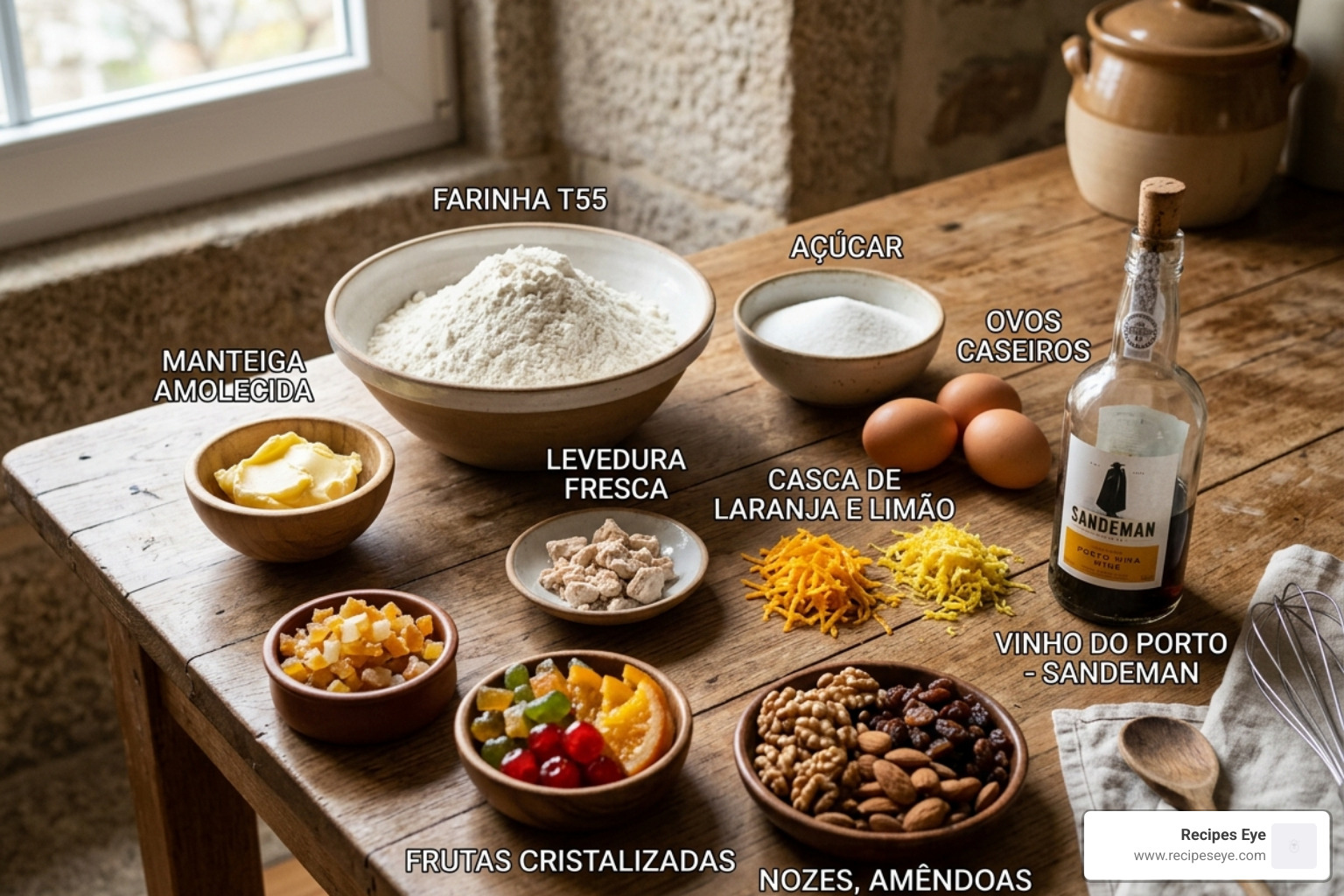
To ensure your cake achieves the status of the best homemade king cake recipe, selecting the ingredients is the first critical step. It’s not just about mixing flour and eggs; it’s about choosing components that bring structure, aroma, and that characteristic moisture.
- T55 Wheat Flour: This is the ideal flour for sweet bread making. With a protein content between 11% and 12%, it offers the necessary elasticity for the dough to rise and support the weight of the fruits without collapsing.
- Biological Yeast: You can use fresh or dry (we will explain the conversion below), but freshness is vital for vigorous fermentation.
- Quality Butter: Forget margarine if you want an authentic flavor. Unsalted butter at room temperature provides a richness that melts in your mouth.
- Organic Eggs: Besides being more nutritious, the vibrant yolks of organic eggs give the dough that appetizing golden color.
- Citrus: Orange and lemon zests are the aromatic soul of the cake. Use only the colored part, as the white part is bitter.
- Port Wine: A good Ruby or Tawny is essential for macerating the fruits and perfuming the dough.
- Nuts and Candied Fruits: Walnuts, pine nuts, almonds, and raisins bring varied textures. Did you know that moderate consumption of nuts is associated with various nutritional benefits, such as heart health?
Ideal Proportions for a Balanced Dough
The harmony of flavors depends on precision. According to statistics from successful traditional recipes, the golden ratio for a generous-sized cake (serving about 15 people) is:
- 750g of flour (the structural base).
- 150g of sugar (balanced sweetness, so as not to overshadow the fruits).
- 150g of butter (for creaminess and moisture).
- 4 to 5 eggs (depending on size; if small, use 5).
This combination ensures a rich dough that maintains an airy texture after fermentation. If the dough seems too stiff, you can add a little warm milk, but carefully — the Port wine already softens the mixture significantly.
Smart Substitutions: Fresh vs. Dry Yeast
Many amateur cooks feel lost when choosing yeast. The rule of thumb is a 3 to 1 ratio. That is, for every 500g of flour, it is recommended:
- 25g of fresh yeast OR
- 7g to 8g of instant dry yeast.
To activate the yeast, always use warm water or milk (about 37°C). If the temperature is too high, it will kill the yeast; if it is too low, they won’t wake up. A tip for those looking for less processed options is to use demerara sugar instead of refined white sugar, which adds a slight touch of caramel to the dough. For more tips on healthy substitutions, explore our portal Recipes Eye.
Step-by-Step: How to Prepare a Fluffy and Elastic Dough
Preparing the best homemade king cake recipe requires strong arms or a good stand mixer with a hook, but the effort pays off.
- The Sponge: Start by dissolving the yeast in 100ml of warm water with a cup of flour (taken from the total). Let it rest for 15 to 20 minutes until it forms a foam. This ensures the yeast is alive and active.
- The Mixture: In a large bowl, beat the softened butter with the sugar and citrus zests. Add the eggs one by one, beating well. Incorporate the “sponge” and, gradually, the rest of the sifted flour with a pinch of salt.
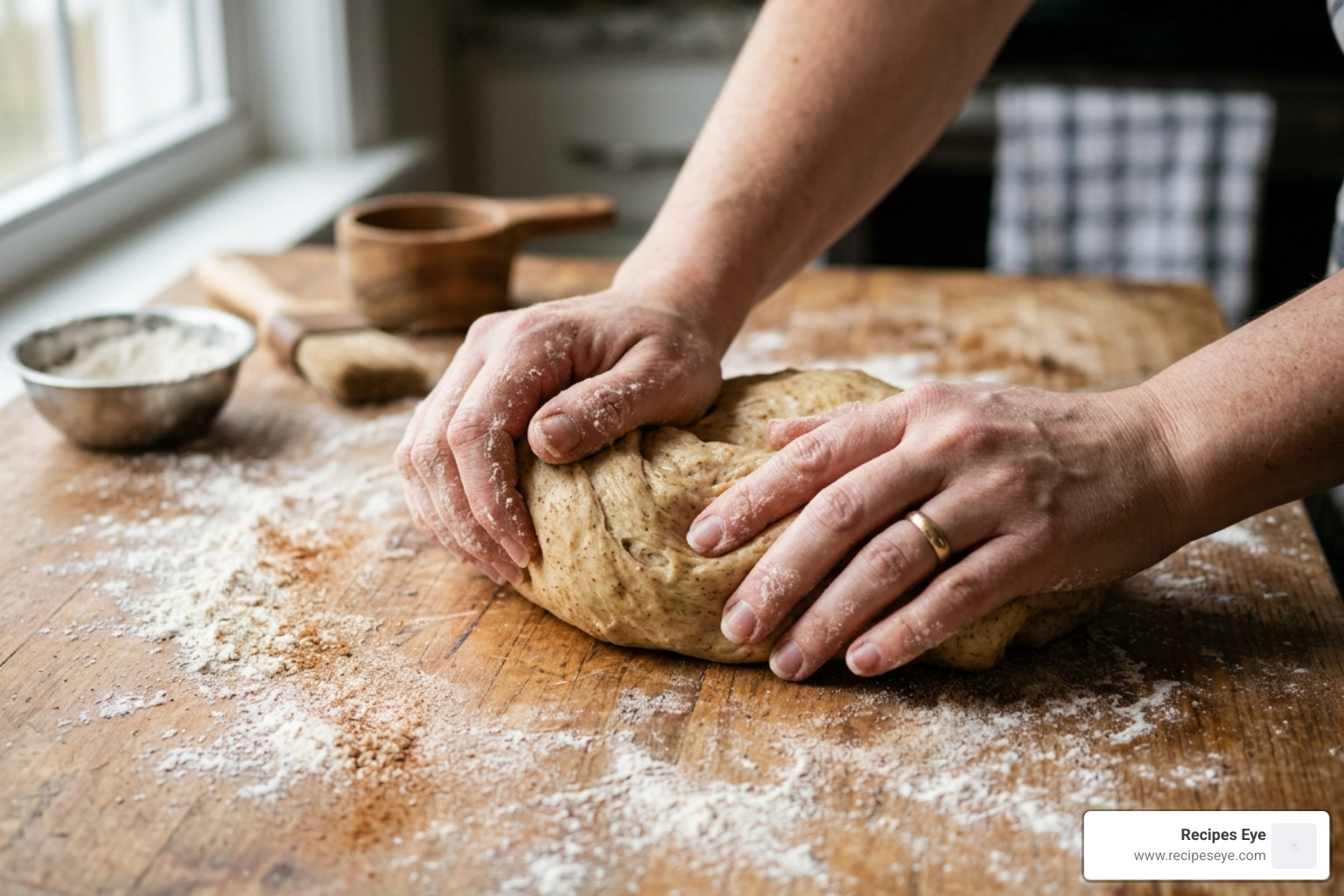
- The Kneading: If kneading by hand, prepare for 15 minutes of vigorous work. The dough should become elastic and pull away from the sides of the bowl. If using a mixer, 5 to 10 minutes at medium speed is sufficient.
- Maceration: While the dough rests, chop the candied and dried fruits and leave them soaked in Port wine. This step prevents the fruits from stealing moisture from the dough during baking, keeping the cake moist for longer.
The Secret of Fermentation in the Best Homemade King Cake Recipe
Patience is the secret ingredient. Bolo Rei dough is heavy (due to fat and sugar), so it takes time to rise. Place the dough in a bowl sprinkled with flour, cover with a clean cloth, and, if possible, wrap it with a blanket.
The place should be warm and free of drafts (the inside of a turned-off oven is ideal). The dough must double in volume. Depending on the temperature in April 2026, this can take from 2 to 5 hours. Do not rush this process; slow fermentation better develops the flavors and texture.
How to Incorporate the Fruits and Shape the Crown
After the dough has risen, give it a gentle “punch” to remove excess gas. Incorporate the macerated fruits (well-drained) and knead lightly to distribute them evenly.
To shape:
- Form a ball and make a hole in the center with your fingers.
- Enlarge the hole by rotating the dough, creating a crown of uniform thickness.
- Master’s Trick: Place a cup or a small heat-resistant bowl in the center of the hole before putting it in the oven. This prevents the hole from closing while the cake rises during baking.
- The Tradition: Don’t forget to insert the fava bean and the trinket (wrapped in parchment paper) into the dough. In 2026, we keep the tradition: whoever finds the fava bean pays for the cake next year!
Perfect Baking: Ideal Oven Temperature and Time
A common mistake is baking the cake at too high a temperature, which burns the outside and leaves the inside raw. The ideal is to preheat the oven to 180°C. If your oven is very strong, 170°C might be safer.
Use a tray lined with parchment paper or, even better, a perforated tray so that the heat circulates uniformly.
| Cake Weight | Estimated Baking Time | Temperature |
|---|---|---|
| 500g | 20 – 30 minutes | 180°C |
| 1kg | 35 – 45 minutes | 180°C |
| 2kg (Total dough) | 50 – 60 minutes | 170°C |
Do the toothpick test: if it comes out clean, it’s ready. If you notice the cake is browning too quickly, cover it with a sheet of aluminum foil halfway through.
Tricks for a Fluffy, Moist, and Shiny King Cake
For your cake to look like it came out of a luxury display case, the finish is everything. As soon as you remove the cake from the oven, brush it generously with quince or apricot jam diluted in a little hot water. This not only gives an incredible shine but also helps seal in the moisture.
For the classic decoration, arrange larger strips of candied fruits, whole walnuts, and pine nuts on top. The final touch is the traditional “mounds” of powdered sugar, representing winter snow.
How to Avoid Common Errors in the Best Homemade King Cake Recipe
- Burning Fruits: If the fruits on top are burning, you can rinse the candied fruits with water to remove excess sugar before decorating.
- Dough Not Rising: Check the expiration date of the yeast and ensure you didn’t use liquids that were too hot, which could have “killed” the yeast.
- Dry Cake: Do not exceed the baking time. As soon as the toothpick comes out clean, remove the cake. Storing the cake in an airtight container or wrapped in plastic wrap after cooling is crucial to maintain freshness for up to 5 days.
Frequently Asked Questions about Bolo Rei
What is the difference between Bolo Rei and Bolo Rainha?
The difference is simple: Bolo Rei contains candied fruits and nuts, while Bolo Rainha (Queen Cake) omits the candied fruits, focusing exclusively on nuts (almonds, walnuts, hazelnuts, pine nuts). It is the ideal option for those who do not enjoy the intense flavor of candied fruits.
How to keep the cake from getting dry the next day?
In addition to not overbaking and brushing with jam, you can add a little natural yogurt or a tablespoon of honey to the dough. These ingredients act as natural humectants. If the cake is already dry, a lightly toasted slice with butter makes a divine breakfast!
Is it safe to put the trinket and the fava bean inside the dough?
Traditionally, yes. However, for safety reasons (especially with children), make sure the trinket is made of metal or heat-resistant ceramic and is well-wrapped in parchment paper. Always warn guests about the presence of these items!
Conclusion
Mastering the best homemade king cake recipe is a journey of patience and care. At Recipes Eye, we believe that cooking at home is the best way to ensure a nutritious and meaningful diet. This Bolo Rei, made by your hands, will certainly be the star of the table in any 2026 celebration.
Share this delicacy with those you love most, celebrate traditions, and above all, delight in the unique aroma that only a freshly baked cake can spread through the house. Discover more delicious recipes on our website and transform every meal into a special moment!

