
The Complete Guide to Identifying the Best Garden Legumes
Garden legumes are fresh vegetables grown in home or commercial gardens, harvested at the right point of maturation for maximum flavor and nutritional value. Knowing how to recognize and choose them well makes all the difference on your plate.
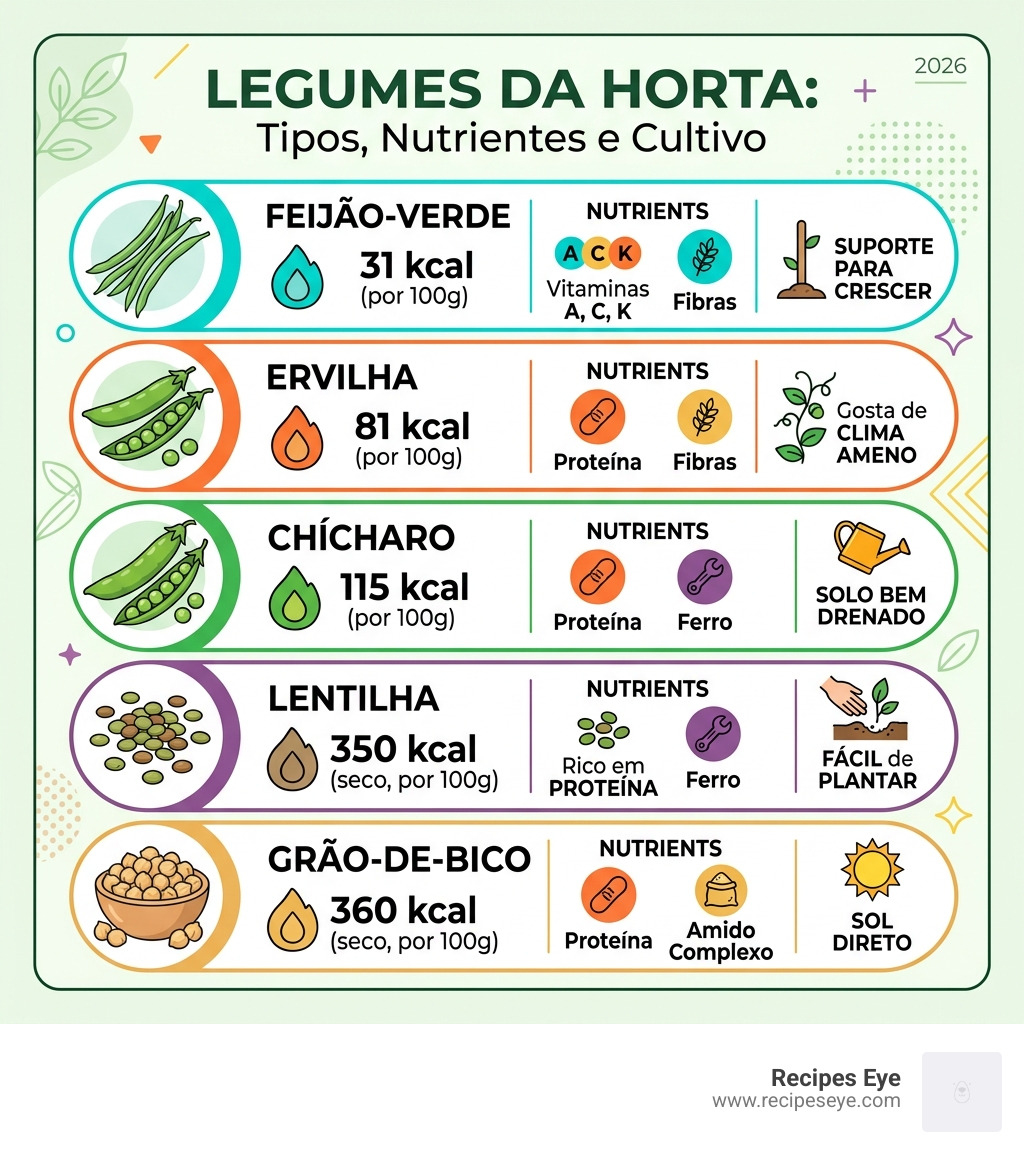
The main garden legumes include:
| Legume | Part consumed | Nutritional highlight |
|---|---|---|
| Green beans | Whole pod | Rich in vitamins A, C, and K |
| Peas | Seeds and pod | High fiber and protein content |
| Grass pea (Chícharo) | Seeds and pod | Source of protein and iron |
| Lentils | Seeds | 21-25% protein, rich in iron |
| Chickpeas | Seeds | Protein and complex starch |
These vegetables have low calorie density — green beans have only 31 kcal per 100g — and are rich in fibers, minerals, and natural antioxidants.
There is an important detail that many people don’t know: unlike dried beans, in green beans the entire pod can be consumed — from the skin to the seed. This makes these legumes extremely versatile in the kitchen.
In April 2026, the trend of home gardening in pots continues to grow, especially in urban centers. Growing your own legumes is more accessible than it seems — and the result is incomparably tastier than what you buy in stores.
In this guide, you will learn to identify quality, choose the best varieties, grow them at home, and get the most out of these fresh ingredients.
What are Garden Legumes and how to identify quality
When we talk about garden legumes, we refer specifically to those species of the Fabaceae family that we harvest while still young and succulent. Unlike the dried grains we keep in the pantry, these vegetables are valued for the freshness of their pod and the tenderness of the immature seeds.
Identifying quality starts with the eyes and ends with the touch. According to specialists, Feijão-verde, um legume divertido (Green beans, a fun vegetable) should present a vibrant color and a firm texture. If the pod looks withered or has dark spots, it is a sign that it has already lost its hydration and essential nutrients.
An infallible trick to test the freshness of Phaseolus vulgaris (the scientific name for green beans) is the “snap test”: when bending the pod, it should break cleanly, emitting a dry sound. If it only bends without breaking, it is past its prime. Additionally, the seeds inside should be small; if they are very large and protruding, the pod may be fibrous and tough.
Essential varieties for your plate
The world of garden legumes is vast and offers options for all tastes and soil types. Knowing the varieties helps us decide what to plant and how to cook.
The versatile Green Bean
The article Feijão-verde – Revista Jardins highlights that there are two main types of growth: climbing varieties and bushy (dwarf) varieties. Climbing ones can reach up to 2 meters in height and need stakes or nets, while bushy ones are perfect for those with less space or who prefer a more concentrated harvest.
In the kitchen, their versatility is legendary. We can use them in salads, soups, or in the traditional Portuguese dish “peixinhos da horta”. The secret lies in maintaining the firmness of the pod during cooking to preserve its flavonoids and carotenoids.
Traditional Peas and Grass Peas
Peas are the queens of spring, but we cannot forget the Chícharo – Revista Jardins. The grass pea (Lathyrus sativus) is a very traditional legume in Portugal, especially in the Ribatejo and Alvaiázere regions.
Different from the common pea, the grass pea has a very original and rustic flavor. To identify a good grass pea or pea in the garden, observe the state of the pod: for fresh consumption, the seeds should be in a “pasty” state — neither liquid nor totally hard. This is the point where sweetness and texture are in perfect balance.
Nutritional benefits and home cultivation
Including these foods in your diet is a smart decision for health and the wallet. Besides being economical, they are true nutrient “bombs” with very few calories.
Nutrition in Garden Legumes
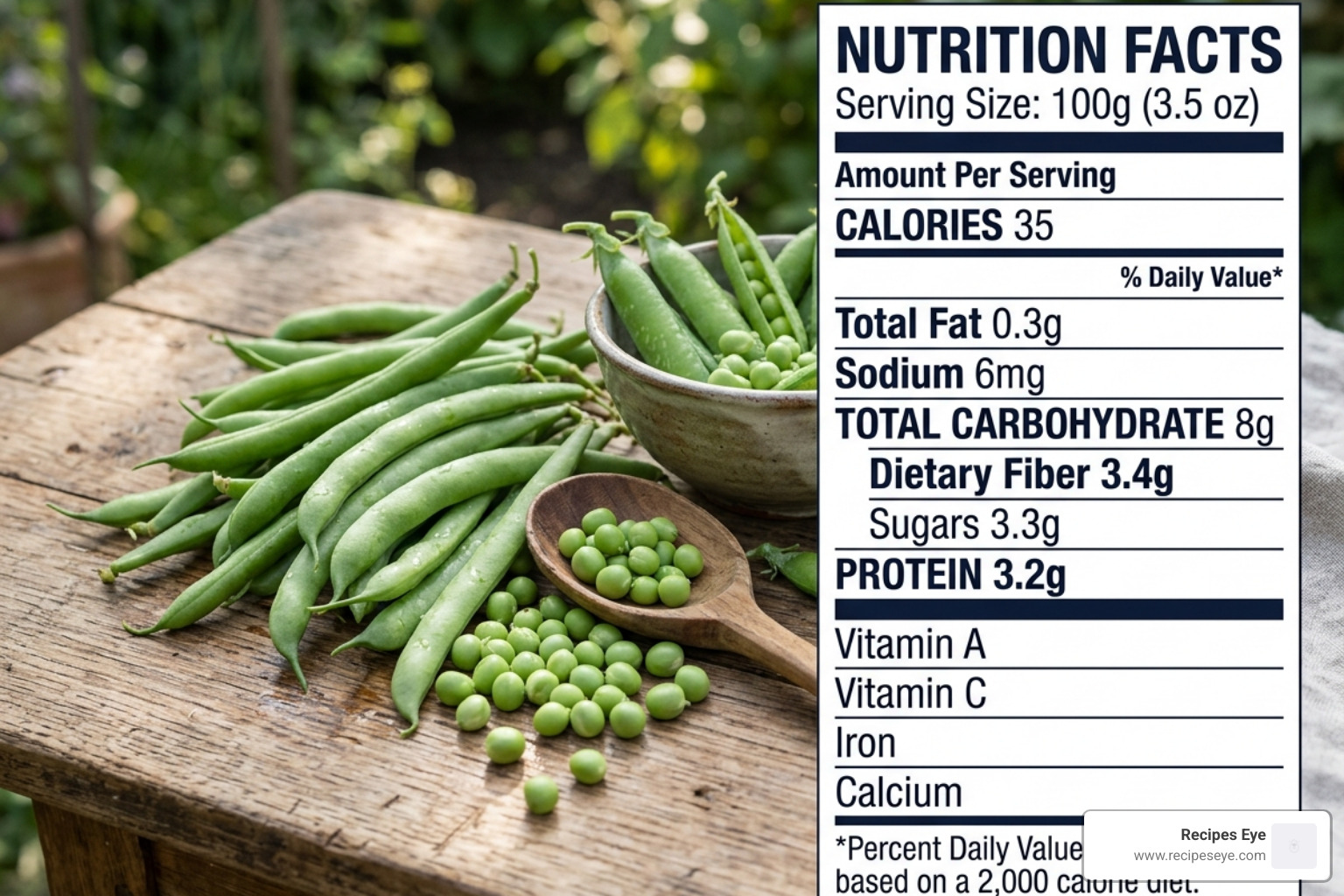
Many commercial products, such as vegetable macedoine, contain about 35 kcal per 100g, which makes them ideal for weight control diets. But the benefits go far beyond calories:
- Fibers: Fundamental for digestion and intestinal health.
- Proteins: Essential for muscle maintenance (lentils can have up to 25% protein).
- Vitamin K and Calcium: Important for bone health.
- Iron: Grass peas and lentils are excellent sources to combat anemia.
- Antioxidants: Help fight cellular aging.
Garden Legume varieties for pots
If you live in an apartment, don’t be discouraged! It is perfectly possible to have an urban garden. The secret to knowing como cultivar lentilhas (how to grow lentils) or peas in pots lies in the depth of the container.
For most garden legumes, we recommend pots with at least 30 cm of depth. Use a rich substrate and organic fertilizer (such as earthworm humus). These vegetables need direct sunlight — at least 6 hours a day — and good drainage to prevent the roots from rotting. Lentils, for example, are quite resistant to drought but hate waterlogged soils.
Maintenance and harvesting guide for the home garden

To ensure that your garden legumes grow healthy, we need to pay attention to some technical details:
- Soil and pH: The ideal soil should be light, well-drained, and with a pH between 6.0 and 6.8. If the soil is too acidic or compact, root development will be hindered.
- Nitrogen Fixation: One of the greatest advantages of legumes is the symbiosis with the Rhizobium bacteria. They capture nitrogen from the air and fix it in the soil, serving as a natural green manure. Therefore, Hortaliças leguminosas para o plantio de inverno – Portal Embrapa (Leguminous vegetables for winter planting) are excellent for crop rotation, preparing the land for the next planting.
- Watering: The critical phase is flowering. Before that, watering can be moderate. As soon as the flowers appear, the soil should be kept consistently moist (but not waterlogged) to ensure the formation of the pods.
- Pest Management: In organic cultivation, the focus is prevention. Use mulching (covering the soil with straw) to control weeds and maintain moisture. If aphids or caterpillars appear, opt for natural solutions like neem oil or potassium soap.
Conservation tips and healthy recipes
After harvesting or buying your garden legumes, time runs against us. Freshness is lost quickly.
- Conservation: The ideal is to consume them on the same day. If you need to store them, the refrigerator is the best place, but only for 2 to 3 days. For long-term conservation, freezing is the best option. We recommend blanching (passing through boiling water for 2 minutes and then through ice water) before freezing to maintain color and texture.
- Recipes: One of the simplest and most nutritious ways to consume these legumes is in a “garden vegetable platter with hummus”. Simply arrange cooked green bean sticks, radishes, and carrots around a creamy hummus. A serving of this combination has only about 152 kcal and provides 8g of protein.
- Food Safety: Attention! Never eat green beans or grass peas raw in large quantities. They contain phytohemagglutinin, a lectin that can be toxic, but which is totally destroyed during cooking.
| Dish | Calories (approx.) | Protein |
|---|---|---|
| Garden Soup (1 bowl) | 120 kcal | 4g |
| Green Bean Salad | 95 kcal | 3g |
| Hummus with Vegetables | 152 kcal | 8.1g |
Frequently Asked Questions
Is it safe to eat raw green beans?
It is not recommended. Raw green beans contain phytohemagglutinin, a protein that can cause gastric discomfort. Cooking or frying completely eliminates this risk, making consumption safe and healthy.
What is the best time to plant peas?
Peas prefer temperate climates. The best time for sowing is between February and April, when temperatures are mild. They do not tolerate the extreme heat of summer well, which causes the flowers to dry up before producing pods.
How to preserve freshness after harvest?
Due to their short shelf life, they should be kept in perforated bags in the vegetable drawer of the refrigerator. If you notice they are losing firmness, soak them in ice water for 15 minutes before cooking to restore some turgidity.
Conclusion
Choosing and growing the best garden legumes is a way to reconnect with nature and ensure a cleaner and more nutritious diet. Whether through crunchy green beans or iron-rich lentils, these foods are the foundation of a sustainable kitchen full of flavor.
At Recipes Eye, we believe that fresh ingredients are the soul of any incredible recipe. Try introducing more of these legumes into your daily life and feel the difference in your energy and health. Discover more healthy recipes on our portal and transform your garden (or your trip to the market) into a gastronomic adventure!

