
Why are healthy gluten-free recipes gaining more and more popularity?
Healthy gluten-free recipes are a great solution for those with celiac disease, gluten sensitivity, or who simply want to eat in a lighter and more balanced way.
Here are some of the best options to get started:
- Gluten-free oat bread — easy, nutritious, and perfect for breakfast
- Baked quinoa kibbeh — traditional flavor, lighter version
- Vegetable tart — practical, vegetarian, and full of fiber
- Tapioca lasagna with chicken — comforting and easy to digest
- Spaghetti with coconut milk white sauce — creamy and gluten-free
These recipes use ingredients like rice flour, almond flour, quinoa, and tapioca to replace wheat — without losing flavor or texture.
In 2026, gluten-free cooking is no longer just a medical necessity. It is also a choice for well-being. More and more people are discovering that it is possible to eat well, in a varied and delicious way, without resorting to wheat or barley.
And the good news? You don’t need to be a chef to succeed. Many of these recipes are ready in less than 40 minutes, using simple and accessible ingredients.
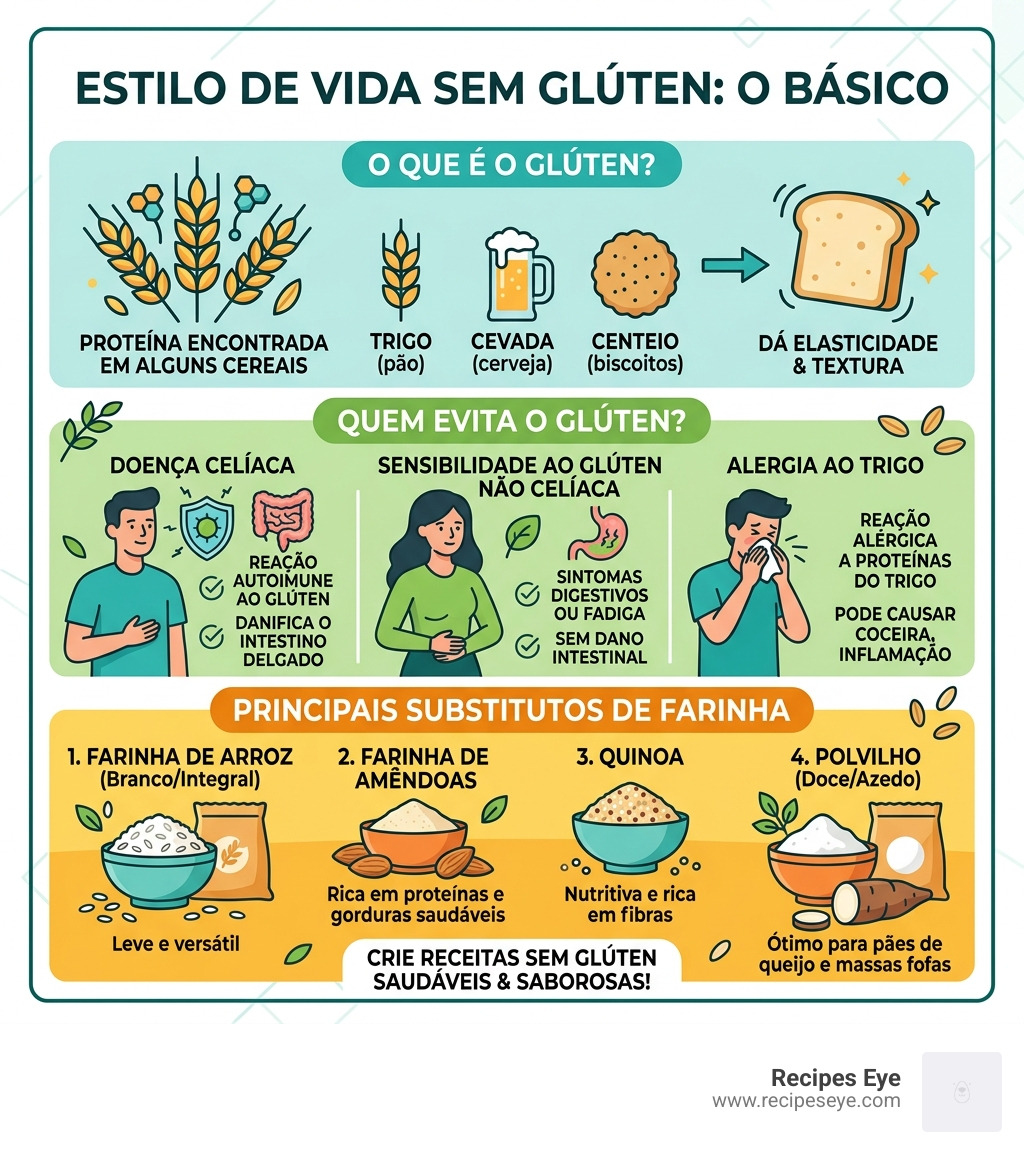
What is gluten and why opt for healthy gluten-free recipes?
Gluten is a complex protein found naturally in cereals such as wheat, barley, and rye. In traditional cooking, it acts as a kind of “glue,” providing elasticity to doughs and allowing bread to rise and become fluffy. However, for many people, this protein is difficult to process.
There are three main reasons why we, at RecipesEye, see people migrating to healthy gluten-free recipes:
- Celiac Disease: This is an autoimmune condition where the ingestion of gluten causes severe damage to the small intestine. For celiacs, a gluten-free diet is vital and must be followed with absolute rigor.
- Non-Celiac Gluten Sensitivity: Many people experience abdominal discomfort, bloating, and fatigue when consuming wheat, even without a diagnosis of celiac disease.
- Health and Digestion: From a functional nutrition perspective, reducing gluten can help decrease inflammatory processes in the body and improve general digestion, making meals lighter.
Opting for a gluten-free diet in 2026 does not mean eating processed “free-from” foods that are full of sugar. On the contrary, the focus should be on natural eating, rich in vegetables, lean proteins, and naturally gluten-free grains. According to information from specialists in Scientific research on gluten-related disorders, a balanced diet is the key to avoiding nutritional deficiencies while enjoying the benefits of a lighter lifestyle.
Essential substitutes and secrets for flawless doughs
A challenge when preparing healthy gluten-free recipes is achieving that soft texture that wheat provides. Since gluten isn’t there to provide structure, we need to use a “mix” of flours and some master tricks.
Here are our favorite ingredients:
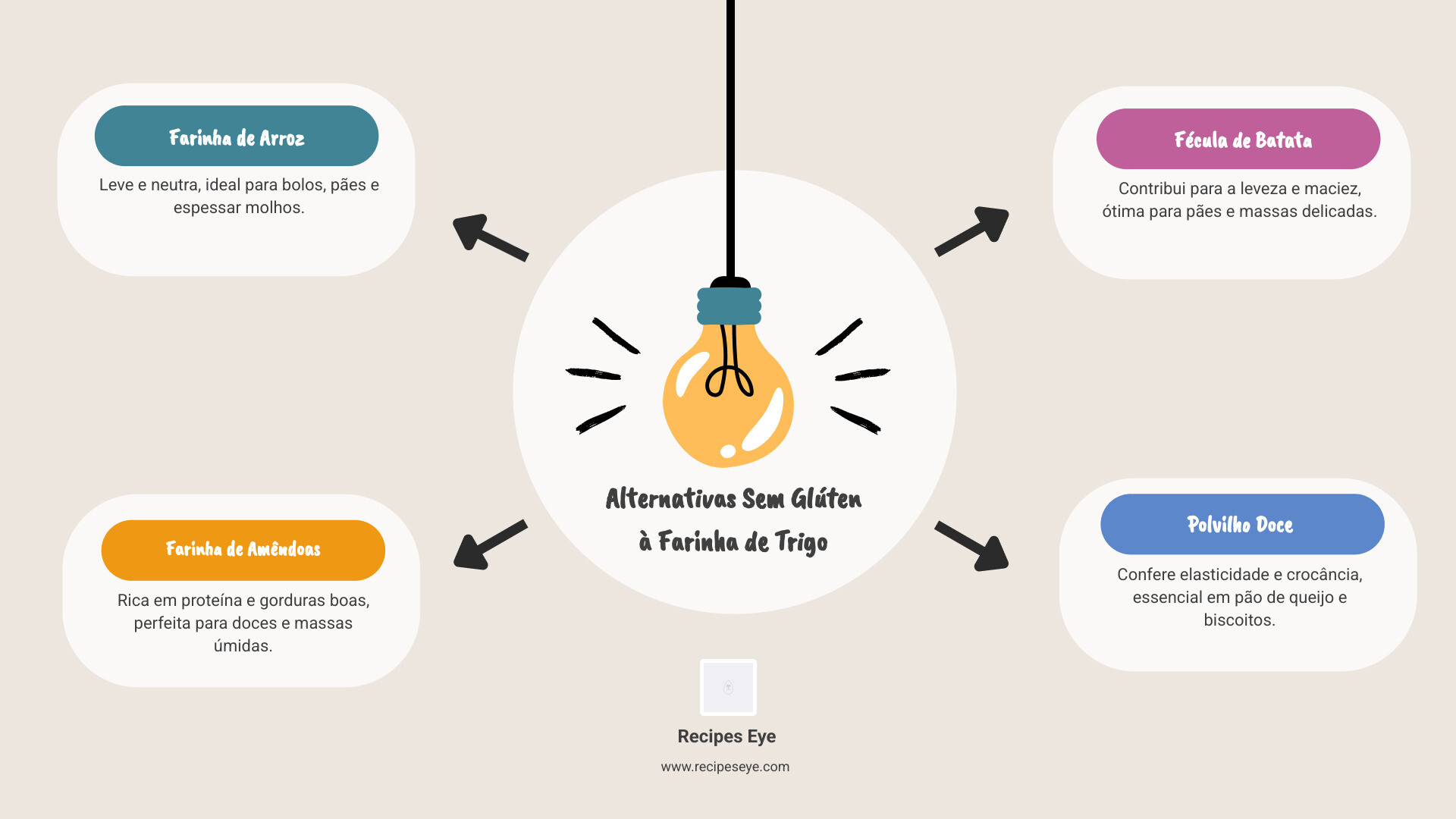
- Rice Flour: The most common base. It is neutral and versatile but can be a bit dry if used alone.
- Almond Flour: Adds good fats, moisture, and an incredible buttery flavor. It is excellent for cakes.
- Potato Starch and Sweet Cassava Starch: These are starches that help provide lightness and elasticity to the dough.
- Xanthan Gum or Psyllium: These are our “binding agents.” They replace the elastic function of gluten, preventing the bread from crumbling.
Mass hydration is fundamental. Gluten-free doughs usually need a bit more liquid than traditional ones. If the dough seems too liquid at first, don’t be alarmed; alternative flours take longer to absorb moisture.
Common mistakes when preparing healthy gluten-free recipes
Even the most experienced cooks can make mistakes when transitioning to the gluten-free world. The most frequent error is cross-contamination. If you share a kitchen with someone who consumes gluten, using the same cutting board or the same toaster can be dangerous for a celiac.
Another mistake is incorrect measurement. Gluten-free flours have very different densities. We always recommend using a kitchen scale instead of cups. Additionally, the lack of binders (such as eggs or xanthan gum) results in cakes that fall apart as soon as you touch them. Finally, drying out is a real problem; avoid baking doughs for too long and always store them in airtight containers or plastic bags to maintain softness.
How to adapt traditional recipes for healthy gluten-free versions
Want to transform your grandmother’s recipe? The golden rule is not to substitute 1-for-1 with just one flour. Use a homemade flour mix (for example: 2 parts rice flour, 1 part potato starch, and 1 part sweet cassava starch).
To increase nutritional value, add fibers like ground flaxseed or chia seeds. They not only make the recipe healthier but also help retain moisture. If the original recipe calls for kneading the dough a lot, forget that in the gluten-free version — here, the less you stir after adding the leavening agents, the better the final structure will be. You can find more tips on nutritious ingredients on our portal to elevate your creations.
5 Healthy and practical gluten-free recipes for beginners
If you are just starting out, these five recipes are foolproof. They were selected for their simplicity and the fact that they please the whole family.
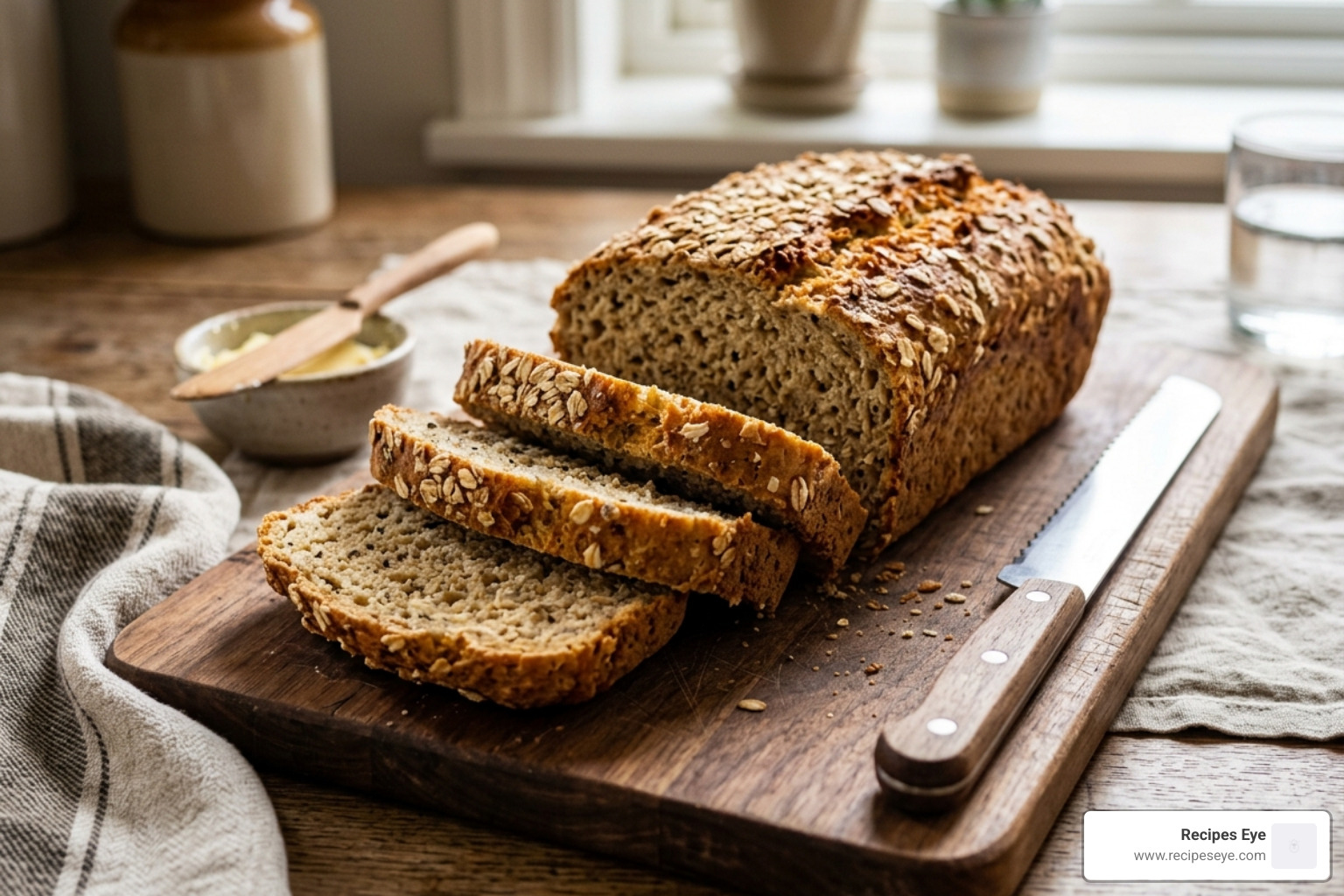
- Gluten-Free Oat Bread: Mix 5 eggs, 270g of oat flour (certified gluten-free), 150g of natural yogurt, olive oil, and baking powder. Bake in a loaf pan. It is fluffy and rich in fiber.
- Quinoa Kibbeh: Replace the bulgur wheat with cooked quinoa. Mix with ground beef (lean), plenty of mint, chopped onion, and Syrian pepper. Bake until golden. It stays moist inside and crispy outside.
- Blender Vegetable Tart: Use a base of eggs, oil, milk (or plant-based drink), rice flour, and cassava starch. Fill with zucchini, carrots, and corn. It is the perfect solution for a quick dinner.
- Tapioca Lasagna: Instead of wheat pasta, use layers of “pancakes” made only with tapioca starch and egg. Layer with creamy shredded chicken and homemade tomato sauce.
- Tropical White Sauce Spaghetti: Use corn or rice pasta. The secret is in the sauce: sauté garlic and onion, add coconut milk and a bit of almond flour to thicken. Finish with fresh parsley.
Recipe Comparison for Beginners
| Recipe | Prep Time | Difficulty Level | Main Benefit |
|---|---|---|---|
| Oat Bread | 45 min | Easy | Rich in Fiber |
| Quinoa Kibbeh | 60 min | Medium | Complete Protein |
| Vegetable Tart | 40 min | Very Easy | Versatility |
| Tapioca Lasagna | 40 min | Easy | Low Calorie |
| Tropical Spaghetti | 30 min | Easy | Lactose-Free |
Savory dishes for a balanced daily routine
To maintain a routine of healthy gluten-free recipes, the focus should be on lean protein and vegetables. One of our favorites is creamy chicken with vegetables. Instead of using traditional cream, try using pumpkin puree or coconut milk to provide creaminess.
Grated zucchini and carrots can serve as a base for vegetable “spaghetti” or be incorporated into savory tarts to increase the volume of the meal without adding empty calories. These options are ideal for preparing healthy lunchboxes, as they maintain flavor and texture even after being reheated. Traditional flavor doesn’t need to be sacrificed; the use of fresh herbs like basil, cilantro, and thyme makes all the difference.
Authentic Portuguese recipes in gluten-free versions
Portugal has a rich gastronomy that, fortunately, already uses many naturally gluten-free ingredients. Cod Rice (Arroz de Bacalhau) with spinach and cherry tomatoes is a perfect example of a national dish that is naturally safe, as long as flour is not added to thicken the sauce.
Another option is Pumpkin Stew with meat or legumes. By using seasonal ingredients, we ensure a higher nutritional density. The culinary adaptation here is minimal: just make sure that the cooking broths used are homemade or certified gluten-free, avoiding hidden thickeners.
Nutritious desserts: sweet pleasure without restrictions
Who said you can’t eat sweets on a gluten-free diet? In 2026, functional desserts are at the top of preferences. They use demerara sugar or honey instead of refined sugar and focus on good fats.
- Upside-down Banana Cake: Use very ripe bananas, which are already naturally sweet, and a batter made with oat flour and cinnamon. The result is a moist and caramelized cake.
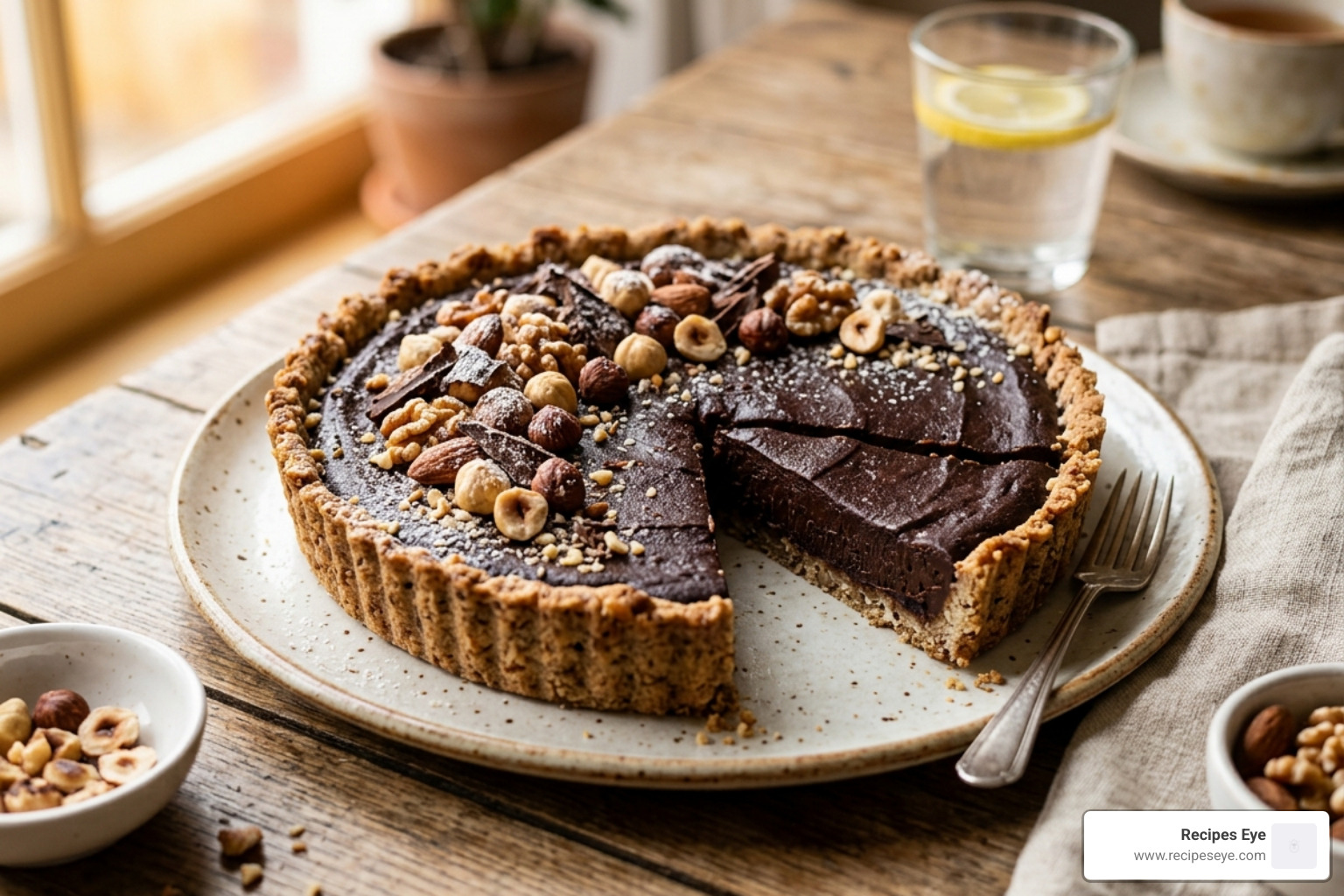
- Cocoa and Nut Tart: An almond crust with a dark chocolate (70% cocoa) and coconut milk filling. It is rich in antioxidants and perfect for special occasions.
- Yellow Fruit Crumble: Cooked apple, pear, and peach, covered with a crunchy mixture of oats, nuts, and coconut oil.
These desserts are not just “free-from”; they are nutritious. By using ingredients like coconut milk and fruits, we are adding fiber and vitamins to our diet, transforming the sweet moment into an act of caring for the body.
Frequently Asked Questions about healthy gluten-free recipes
How to ensure gluten-free bread stays fluffy and doesn’t dry out?
The secret lies in hydration and binding agents. Always use a combination of flours (never just one) and add xanthan gum or psyllium to retain moisture. Another trick is to place a small bowl of water at the bottom of the oven while the bread bakes; the steam helps create a good crust without drying out the crumb. Store the bread in a sealed plastic bag as soon as it cools down.
What are the best substitutes for wheat flour in cakes?
For light cakes, rice flour combined with potato starch is excellent. If you are looking for a denser and more nutritious cake, almond or hazelnut flour is unbeatable. For chocolate cakes, coconut flour works well, but beware: it absorbs a lot of liquid, so you will need to increase the number of eggs or the amount of milk in the recipe.
Is it possible to maintain a varied and balanced diet without gluten?
Absolutely! A gluten-free diet often forces us to step out of the “wheat monoculture” and discover new grains like millet, buckwheat, quinoa, and brown rice. By focusing on fresh foods — fruits, vegetables, meats, fish, eggs, and legumes — your diet will naturally be more varied and nutrient-rich than the standard Western diet.
Conclusion
At Recipes Eye, we believe that food should be a source of joy and health, never stress. Exploring healthy gluten-free recipes is an incredible opportunity to exercise creativity in the kitchen and discover new flavors you might never have tried.
Whether out of medical necessity or a search for conscious eating, the path to a healthy lifestyle begins with small changes in our pantry. Replacing wheat with more nutritious ingredients is a giant step toward long-term well-being.
We hope these tips and recipes inspire your next dinner. Remember: the kitchen is a laboratory of flavors and there are no limits to what you can create with the right ingredients. Discover more incredible recipes on our site and join our community of healthy food lovers!

