
Why Plant-Based Diets are Transforming Global Health
Plant-based diets are eating patterns based primarily on foods of plant origin — such as whole grains, legumes, fruits, vegetables, and seeds — with minimal or no consumption of animal products and ultra-processed foods.
In summary, here is what you need to know:
- What they are: Eating centered on whole and minimally processed plants
- Main foods: Beans, lentils, whole grains, leafy greens, fruits, tubers, and seeds
- Proven benefits: Reduced risk of heart disease, type 2 diabetes, and some types of cancer
- Difference from veganism: Focus on natural foods, not just on avoiding animal products
- Essential supplement: Vitamin B12 needs to be supplemented
- Environmental impact: Reduces greenhouse gas emissions, water, and land use by up to 75%
It is estimated that about 4 billion people in the world live primarily on a plant-based diet. It is not a new trend — it is the way most of humanity has always eaten.
But scientific and popular interest in the topic has never been greater than now, in 2026. And for good reason.
Evidence shows that this eating style can do much more than help with weight loss. It is associated with a lower risk of chronic diseases, better physical performance, and a significantly lower environmental impact than diets rich in meat and dairy.
The best part? It is one of the most affordable ways to eat well. Studies indicate that adopting a plant-based diet can save up to 750 dollars per person per year on grocery shopping.
In this guide, you will understand what plant-based diets are, what to eat, how to start, and why science so strongly supports this choice.
What are Plant-Based Diets and How Do They Work?
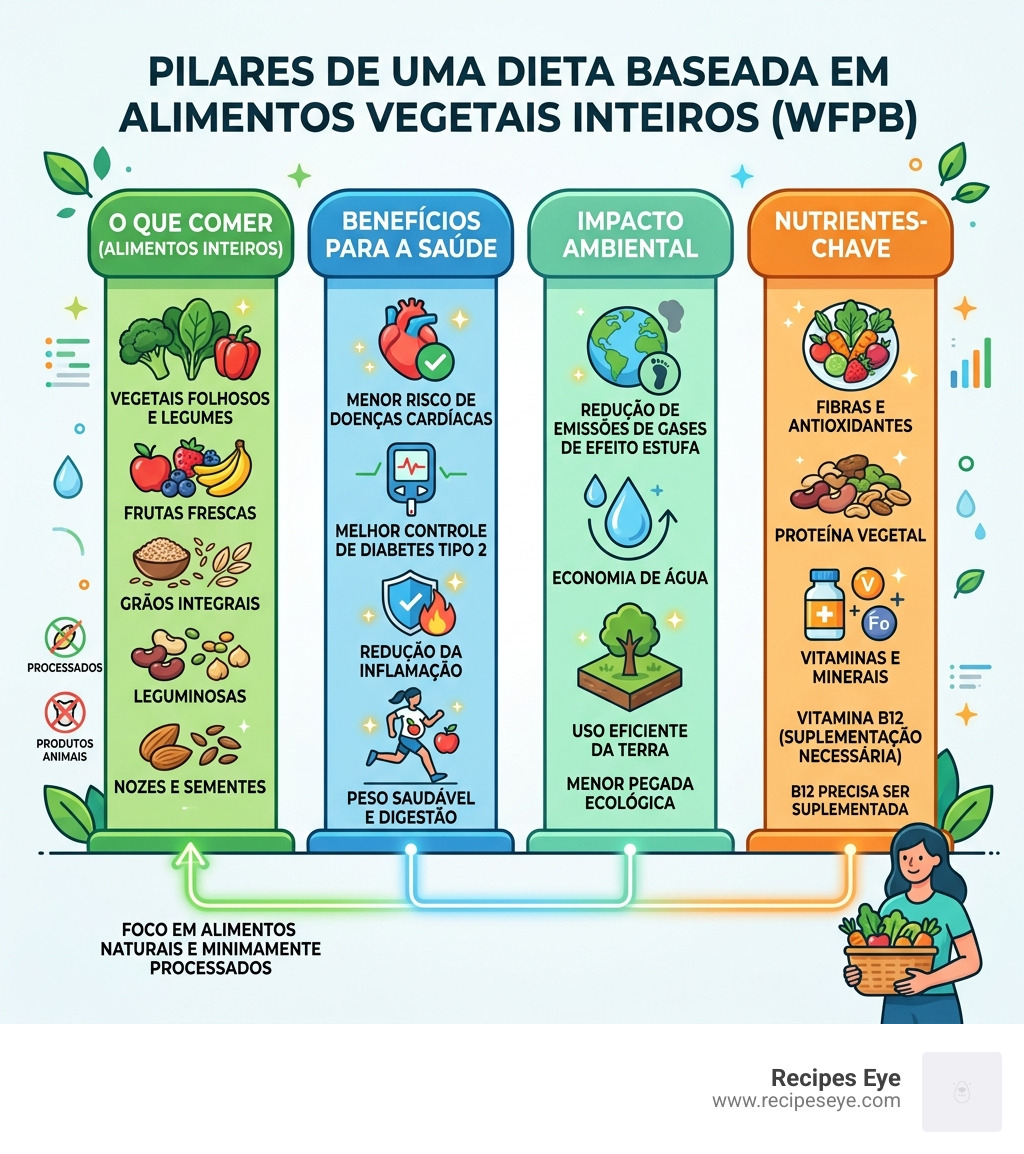
When we talk about Plant-based diets, or plant-based nutrition, we are not referring to a passing fad or a regime of deprivation. The term, originally coined by Dr. T. Colin Campbell in the 1980s during his research in the “China Study,” describes a lifestyle focused on the quality and origin of what we put on our plates.
Unlike diets that focus only on “what not to eat,” Plant-based diets celebrate abundance. The way it works is simple: we prioritize foods in their state closest to nature. This means that instead of refined wheat flour, we choose the whole wheat grain. Instead of an industrialized fruit juice, we choose the whole fruit with its fibers and nutrients preserved.
This approach focuses on nutrient density. Whole plant foods are loaded with vitamins, minerals, antioxidants, and, crucially, fiber. As we learn in Plant-based diet | Quiero cuidarme, this diet can include small occasional amounts of animal products for some people (the so-called flexitarian pattern), but the “heart” of the diet is always the plant kingdom.
Differences between veganism and Plant-Based Diets
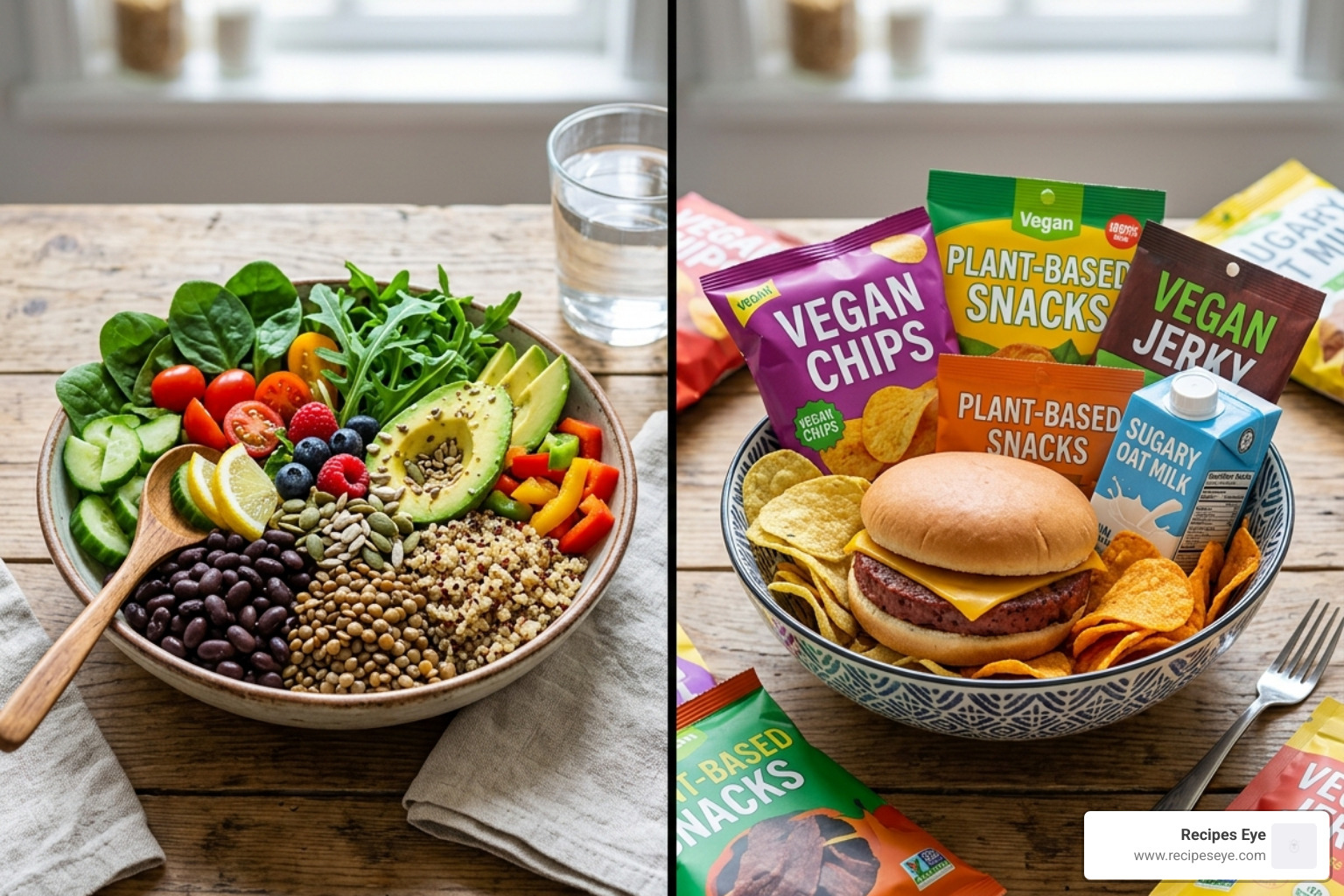
It is very common to confuse these two terms, but they have distinct focuses. Veganism is, fundamentally, an ethical and political movement that seeks to exclude all forms of animal exploitation. A vegan can, theoretically, live on french fries, sodas, and ultra-processed plant-based meats. While it is an admirable ethical choice, it is not necessarily a health-oriented choice.
On the other hand, Plant-based diets (specifically the Whole-Food Plant-Based or WFPB modality) focus on biological health. The goal is to avoid:
- Highly processed and refined foods (even if they are vegan).
- Added oils (yes, even olive oil is seen with moderation or avoided for being 100% fat without fiber).
- Refined sugars.
While veganism looks at external ethics, the plant-based diet looks at internal nutritional integrity.
The concept of calorie density
One of the biggest secrets of Plant-based diets for weight control is calorie density. Imagine a full stomach. To fill it with 500 calories of meat or cheese, you would occupy only a small space, leaving you hungry shortly after.
Now, try eating 500 calories of broccoli, beans, and potatoes. The volume would be so large that your gastric stretch receptors would send satiety signals to the brain long before you finished. This allows us to eat until we feel satisfied, without needing to count calories or weigh portions obsessively. It is what we call “volume eating,” where the focus is natural satiety through the fiber and water present in vegetables.
Scientific Benefits for the Body and Longevity
The science behind Plant-based diets is robust and fascinating. We are not just talking about prevention, but in many cases, the reversal of diseases. Research indicates that vegetarian and vegan diets are associated with an 8% to 15% lower incidence of total cancer, respectively.
Furthermore, as highlighted in VEGETARIAN DIET | Plant-based diet: this is the regime to reduce inflammation, lose weight and be healthier, this eating pattern acts directly on reducing chronic inflammation, which is the root of almost all modern diseases, from arthritis to Alzheimer’s.

Impact on cardiovascular health and diabetes
The heart is the biggest beneficiary of this change. Plant-based diets are associated with a 15% reduction in the risk of cardiovascular disease and a 21% reduction in the risk of coronary artery disease. Why does this happen?
- Cholesterol Reduction: Plants do not contain cholesterol and are low in saturated fats.
- Blood Pressure: A vegan diet can reduce blood pressure by about 4 mmHg.
- Insulin Sensitivity: The high fiber content helps regulate blood sugar, preventing and often reversing type 2 diabetes.
The Mayo Clinic reinforces that a well-planned vegetarian diet is healthy for all stages of life, helping to keep arteries clean and metabolism running like clockwork.
Plant-based diets and athletic performance
Have you ever heard that “meat gives strength”? Well, elite athletes like Novak Djokovic are proving otherwise. The tennis player attributes his incredible endurance and longevity in the sport to his transition to a plant-based diet in 2010.
Benefits for athletes include:
- Faster Muscle Recovery: Thanks to the high antioxidant content that fights the oxidative stress of exercise.
- Stable Energy: Complex carbohydrates from whole grains provide constant fuel, without the spikes and crashes of refined sugar.
- Better Blood Flow: Less saturated fat means less viscous blood, which improves oxygen delivery to the muscles.
Documentaries like The Game Changers show that plant protein is perfectly capable of sustaining powerful muscles and world records.
Sustainability and Impact on the Planet
Changing what we eat is perhaps the most powerful individual tool we have to combat the climate crisis. Food production is responsible for about one-third of global greenhouse gas emissions.
By adopting Plant-based diets, we drastically reduce our ecological footprint:
- Land Use: Livestock farming uses 83% of the world’s agricultural land but provides only 18% of the calories consumed. If we replaced half of meat and dairy consumption with plant alternatives, we could reduce agricultural land use by almost one-third by 2050.
- Emissions: A vegan diet reduces greenhouse gas emissions and water pollution by 75%.
- Biodiversity: Meat production is the leading cause of deforestation and wildlife destruction (a 66% reduction in impact on natural habitat when choosing plants).
Basically, eating plants is a way to ensure that future generations also have a healthy planet to call home.
Practical Guide: What to Eat and How to Start
Many people ask us: “If I take out the meat, what’s left?”. The answer is: a whole world of flavors! The transition doesn’t have to be made overnight. Starting with “Meatless Mondays” or swapping cow’s milk for oat milk is already an excellent first step.
To understand the technical details and initial challenges, we recommend reading Plant-Based Diet: Benefits, challenges and how to start a healthy lifestyle.
Foods to prioritize and avoid
In Plant-based diets, the focus should be on diversity. Try to eat the “rainbow” every day.
Eat in abundance:
- Legumes: Beans of all colors, lentils, chickpeas, peas, and soy (tofu/tempeh).
- Whole Grains: Brown rice, quinoa, oats, barley, corn, and millet.
- Tubers: Sweet potatoes, white potatoes, cassava, and yams.
- Vegetables and Fruits: All, especially dark leafy greens.
Eat in moderation:
- Nuts and Seeds: Walnuts, almonds, chia seeds, and flaxseeds (rich in omega-3).
- Avocado and Coconut: Sources of healthy but calorie-dense fats.
Avoid or eliminate:
- Meats (red, chicken, pork, fish).
- Dairy and eggs.
- Refined oils and trans fats.
- Ultra-processed foods with long lists of chemical ingredients.
How to build your plate in Plant-based diets
A balanced plate doesn’t need mathematical calculations. Use the visual rule: half the plate with vegetables and fruits, a quarter with whole grains, and a quarter with legumes (proteins).
| Nutrient | Plant-Based Source | Absorption Tip |
|---|---|---|
| Protein | Beans, Lentils, Tofu, Quinoa | Vary sources to obtain all amino acids. |
| Iron | Spinach, Lentils, Black Beans | Consume with Vitamin C (lemon, orange) to double absorption. |
| Calcium | Kale, Broccoli, Sesame, Tofu | Dark green vegetables are excellent sources. |
| Omega-3 | Flaxseed, Chia, Walnuts | One tablespoon of ground flaxseed per day is ideal. |
Golden Tips:
- Read labels: If you can’t pronounce the ingredients, it’s probably not a “whole food.”
- Batch Cooking: Prepare large quantities of beans and rice on Sunday to make the week easier.
- Be kind to yourself: If you eat something unplanned, just get back on track at the next meal.
Frequently Asked Questions about Plant Nutrition
Is it necessary to take a Vitamin B12 supplement?
Yes, absolutely. Vitamin B12 is produced by microbes in the soil and water, not by plants or animals. Since we sanitize our food and treat our water today (which is great for avoiding diseases), we have lost this natural source. Farm animals usually receive B12 supplementation in their feed. By eating plants, we cut out the “middleman” and need to supplement directly to ensure neurological health and red blood cell formation.
How to ensure enough protein without meat?
Protein deficiency is extremely rare in people who consume enough calories from varied sources. Legumes like lentils and chickpeas are protein powerhouses. The secret is variety. By combining different groups (like rice and beans), you get a complete amino acid profile. Additionally, vegetables like broccoli and spinach also contain protein per calorie!
Is a plant-based diet more expensive?
On the contrary! Rice, beans, potatoes, oats, and seasonal vegetables are the cheapest foods in the supermarket. What makes the diet expensive are the highly processed “substitute” products (like plant-based burgers from famous brands). By focusing on whole foods, you can save about 750 dollars per year. Buying in bulk and at local farmers’ markets helps your wallet and the planet even more.
Conclusion
Adopting Plant-based diets is a journey of discovery. At Recipes Eye, we believe that food should be both medicine and pleasure. It’s not about perfection, but progress. Every plant-based meal you choose is a victory for your arteries, for the animals, and for the Earth’s climate.
Start slowly, experiment with new spices, and discover the real flavor of foods that come directly from the soil. The health that comes from the earth is vibrant, colorful, and transformative.
Ready to start? Discover nutritious and tasty recipes for your plant-based journey and transform your kitchen into a wellness center today!

