
Why Pasta Recipes Are a Classic That Never Goes Out of Style
Pasta recipes are among the most searched and loved in the world — and it’s not hard to understand why.
Quick answers for those who want to start now:
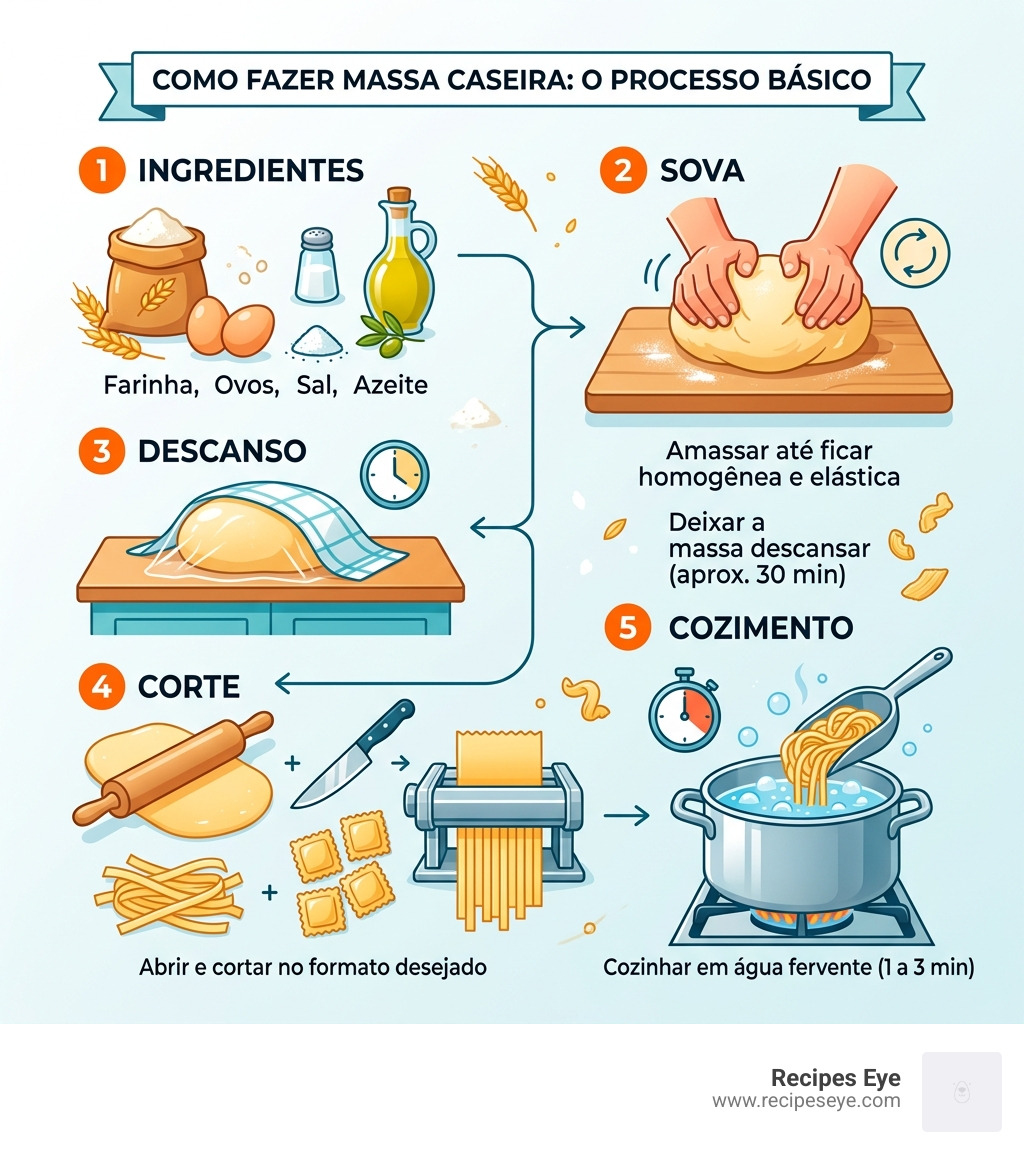
- Basic homemade pasta: flour, eggs, salt, and a drizzle of olive oil
- Prep time: about 30 minutes (including 10 min of kneading + resting)
- Cooking: fresh pasta is ready in just 1 to 3 minutes
- Storage: up to 3 days in the refrigerator or 2 months in the freezer
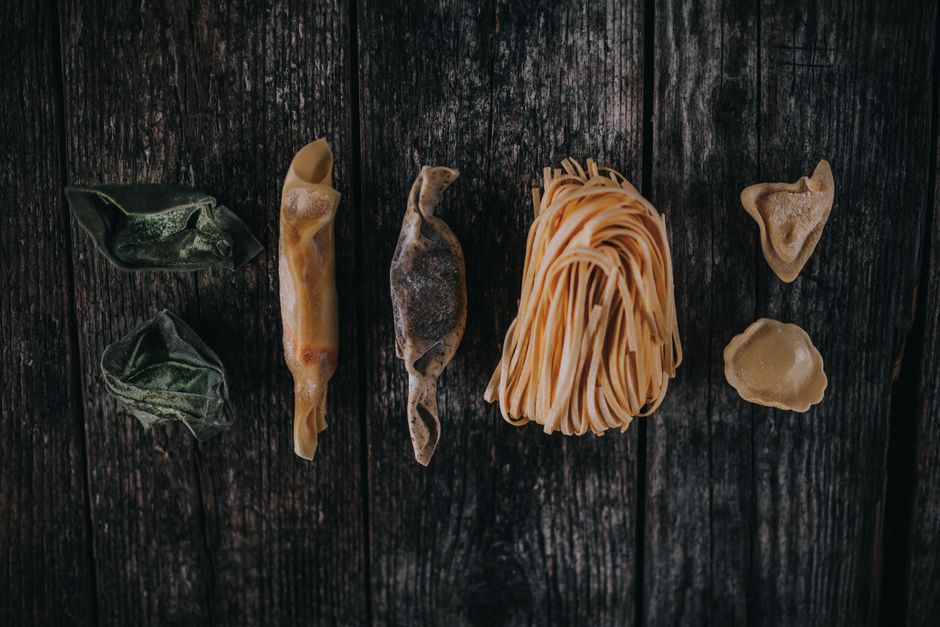
- Popular formats: tagliatelle, lasagna, ravioli, gnocchi, pizza, pancakes
Whether it’s a Sunday lasagna, a quick weekday pasta, or a special gnocchi to impress, pasta is versatile, economical, and accessible to any level of cook.
The best part? Making pasta at home is much simpler than it seems. With flour and eggs — ingredients that almost everyone has in their pantry — you can achieve a result far superior to the industrial version. Fresh pasta absorbs the sauce better, cooks faster, and has a texture that simply has no comparison.
We have gathered 10 irresistible recipes, along with practical tips for preparation, cooking, and storage for you to master pasta once and for all.
The Ultimate Guide to Creating Homemade Pasta Recipes
Making your own pasta is an act of love and a complete sensory experience. The aroma of fresh flour and the elastic touch of the dough under your hands transform an ordinary meal into a gastronomic event. In April 2026, the trend in home cooking is a return to origins, valuing the freshness and provenance of ingredients.
To start, we need to talk about ingredients. The classic base uses wheat flour and eggs. However, to reach restaurant-level quality, many experts recommend 00 flour, which is extremely fine and allows for a silkier texture. Another secret is durum wheat semolina, which gives that vibrant yellow color and helps the pasta maintain its “al dente” structure.
In addition to being delicious, homemade pasta fits perfectly into a balanced lifestyle. According to the Research on the benefits of the Mediterranean diet, moderate consumption of pasta accompanied by vegetables, olive oil, and lean proteins is a pillar of longevity and cardiovascular health.
Step-by-Step for the Perfect Pasta Dough
Mastering the technique is more important than having expensive equipment. Here is how we do it:
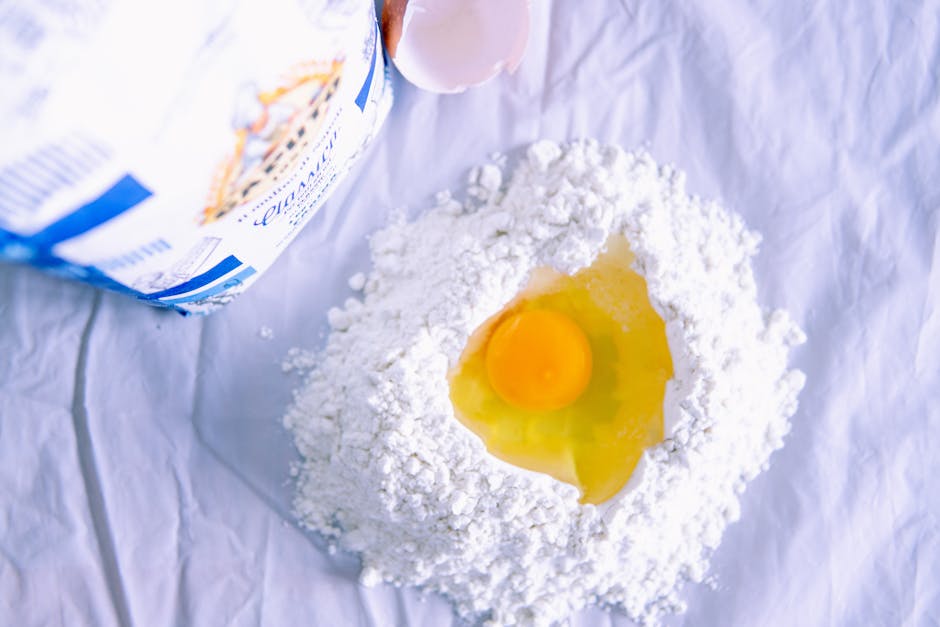
- The Volcano: On a clean counter, make a mound with the flour and open a hole in the center (like a crater). Add the eggs, salt, and, if desired, a drizzle of olive oil.
- The Mix: With a fork, beat the eggs in the center and gradually incorporate the flour from the edges until a thick paste forms.
- The Knead: This is where you get your “hands in the dough.” Knead for about 8 to 15 minutes. The goal is to develop the gluten so the dough becomes elastic. It should be smooth and, when pressed with a finger, should slightly spring back to its original shape.
- The Rest: This step is non-negotiable. Wrap the dough in plastic wrap and let it rest for at least 30 minutes at room temperature. This relaxes the gluten and makes it much easier to roll out.
Pro Tips for Rolling and Storing Your Pasta Recipes
If you don’t have a pasta machine, don’t worry! A good rolling pin and a little patience will do the trick. The secret is to sprinkle the surface with semolina or extra flour so it doesn’t stick.
- Thickness: For fettuccine or tagliatelle, aim for a thickness of 1-2 mm. For lasagnas, it can be a bit firmer.
- Drying: If you’re not cooking it right away, use a pasta drying rack or make small “nests” on a floured cloth.
- Preservation: In the refrigerator, fresh pasta lasts up to 3 days. To freeze, take the nests on a tray to the freezer for 1 hour and then transfer them to an airtight bag. It lasts up to 2 months, and you can cook it straight from the freezer!
For those looking for more inspiration, check out More tips on healthy eating on our portal.
10 Irresistible Recipes to Transform Your Dinner
Now that you are an expert on the base, let’s look at the variations that will elevate your repertoire of pasta recipes.
| Attribute | Homemade Pasta | Industrialized Pasta |
|---|---|---|
| Sauce Absorption | High (porous surface) | Medium/Low |
| Cooking Time | 1 to 3 minutes | 8 to 12 minutes |
| Preservatives | Zero | Generally present |
| Flavor | Rich and fresh | Neutral |
1. Authentic Carbonara (No Heavy Cream!)
True Italian Carbonara uses only eggs, pecorino cheese (or parmesan), guanciale (or pancetta/bacon), and black pepper. The secret is to mix the eggs with the cheese off the heat, using only the heat of the pasta to create a velvety cream without “overcooking” the eggs.
2. Pistachio and Spinach Pesto
A sophisticated variation of traditional pesto. Pistachios bring a crunch and buttery flavor that, combined with the freshness of spinach and basil, creates a vibrant and nutritious sauce.
3. Low-Carb Zucchini Lasagna
Replace the pasta sheets with thin slices of grilled zucchini. It is one of the favorite pasta recipes (or “fake pasta”) for those seeking lightness without giving up the flavor of traditional lasagna bolognese.
4. Red Wine Spaghetti (Al Fuoco di Bacco)
In this recipe, the spaghetti is cooked directly in red wine diluted with water. The result is a pasta with an intense purple color and a slightly sweet and complex flavor that is visually impressive.
5. Mandioquinha Gnocchi Without Flour
Using only the pulp of cooked and mashed mandioquinha (Peruvian parsnip/cassava), with minimal starch for binding, results in a gnocchi that melts in your mouth. It is a naturally gluten-free option if adapted correctly.
6. Pumpkin Ravioli with Gorgonzola
The contrast between the sweetness of the kabocha pumpkin puree and the spiciness of the gorgonzola cheese is a fine-dining classic that you can easily reproduce with your fresh pasta.
7. Slow-Fermentation Pizza Dough
Good pizza starts with patience. Letting the dough rest in the refrigerator for 24 hours develops complex flavors and an incomparable airy and crispy texture.
8. Colorful Beetroot Tortellini
Add well-processed beetroot puree to your basic dough to get a vibrant pink or purple tone. It’s a fun and healthy way to include vegetables in children’s meals.
9. Mac and Cheese with a Touch of Nutmeg
The secret to ultimate comfort is a well-made bechamel sauce with plenty of cheddar cheese and a generous pinch of nutmeg, which enhances the dairy flavors.
10. Seafood Linguine
Fresh linguine served with shrimp, squid, and shellfish sautéed in garlic, olive oil, and white wine. It’s the perfect dish for a special summer dinner.
Secrets of Al Dente Cooking and Pairing
Cooking pasta seems obvious, but small details make all the difference. The golden rule is: 1 liter of water and 10 grams of salt for every 100 grams of pasta. The water should be at a rolling boil and taste “salty like the sea.”
Fresh pasta cooks very quickly — usually between 1 and 3 minutes. The “al dente” point is when the pasta is soft on the outside but still offers a slight resistance when biting into the center.
Nutritional Curiosity: Did you know that pasta cooked al dente and then cooled develops what is called “resistant starch”? Studies indicate that this reduces the glycemic index of the meal, making it an excellent strategy for those monitoring blood sugar levels.
When serving, pairing is essential. Pasta with red sauces calls for red wines like a Chianti or Merlot. Meanwhile, pasta with seafood or white sauces shines alongside a well-chilled Sauvignon Blanc or Chardonnay.
Healthy Variations and Dietary Adaptations
At Recipes Eye, we believe everyone should enjoy great pasta recipes. Therefore, we encourage adaptations:
- Vegan Pasta: Replace the eggs with a mixture of water and a little more olive oil, or use durum wheat semolina with warm water.
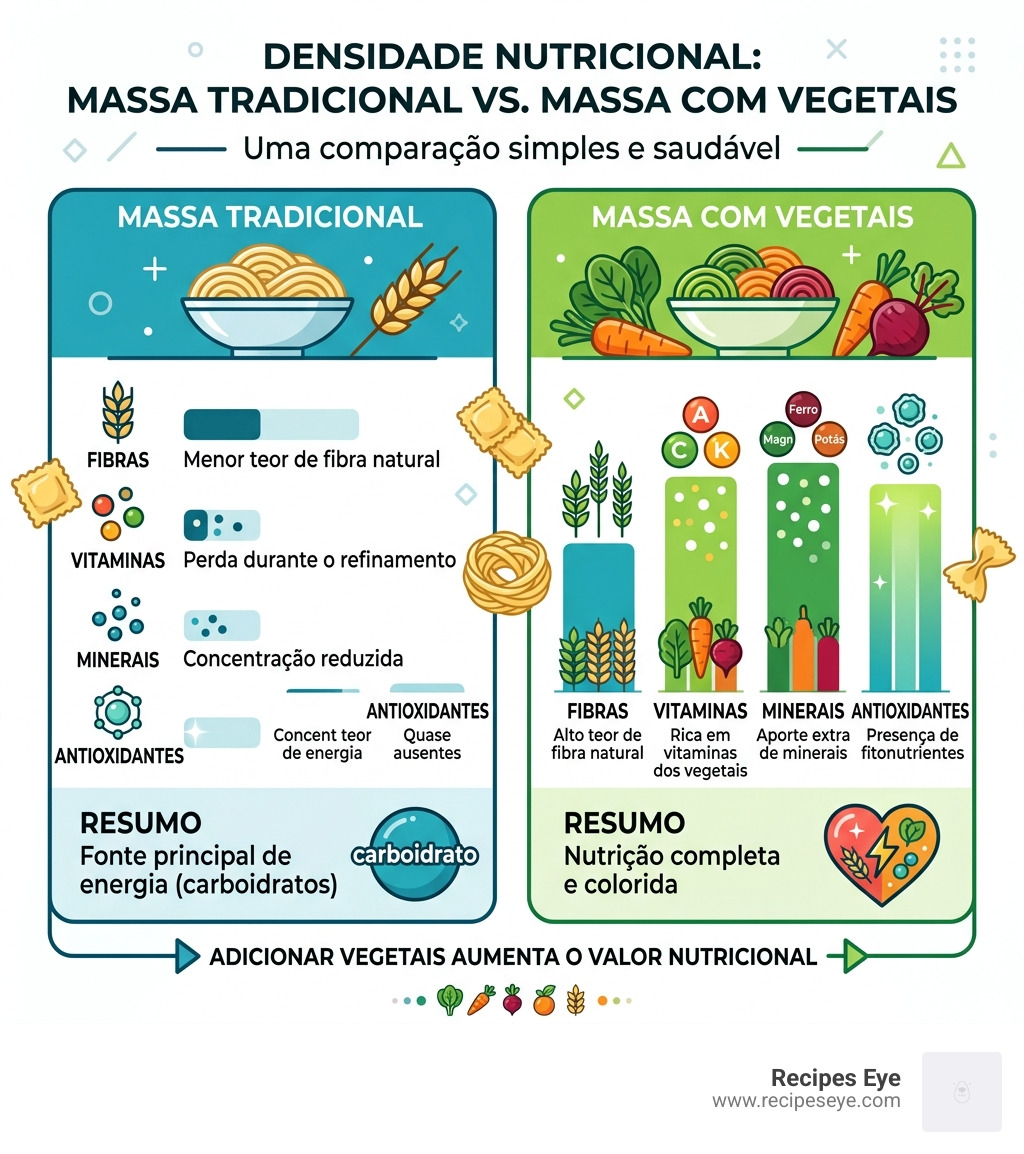
- Whole Wheat Pasta: Use 50% whole wheat flour to increase fiber content, which promotes greater satiety.
- Natural Colors: Use spinach for green, carrots for orange, and beetroot for purple. Besides being beautiful, these pastas are more nutritionally dense.
- Gluten-Free Substitutions: Rice flour combined with potato starch and xanthan gum can create surprising homemade pastas for celiacs.
Frequently Asked Questions about Homemade Pasta
What is the essential equipment to start making pasta at home?
To start, you only need a smooth surface, a rolling pin (it can even be a clean wine bottle!), and a sharp knife. As you progress, a pasta machine (manual or electric) and a precision scale help ensure standardization and the perfect thickness.
How to prevent fresh pasta from sticking after cutting?
The secret is being generous with semolina or wheat flour when sprinkling the cut strands. Forming airy “nests” and not crowding the pasta while waiting for the water to boil is also fundamental.
What is the main difference between fresh pasta and store-bought dry pasta?
The main difference is porosity. Fresh pasta “hugs” the sauce, integrating flavors much more intensely. Additionally, the silky texture and the pronounced flavor of fresh eggs provide an experience that dry pasta, made only with semolina and water for long shelf life, cannot replicate.
Conclusion
Exploring new pasta recipes is a journey of constant discovery. From the touch of the flour to the moment of sharing the dish with those we love, artisanal pasta celebrates tradition and creativity. We hope this guide has inspired you to lose your fear of the floured counter and experience the incomparable flavor of “homemade.”
Remember: the kitchen is a place of practice. Your first pasta might not be perfect, but we guarantee it will be delicious. Discover more nutritious recipes here and continue your culinary journey with us!

