
Eating well on the road is expensive — unless you do this
Marmitas saudáveis para mochileiros are the smartest way to maintain a balanced diet during trips without spending a fortune.
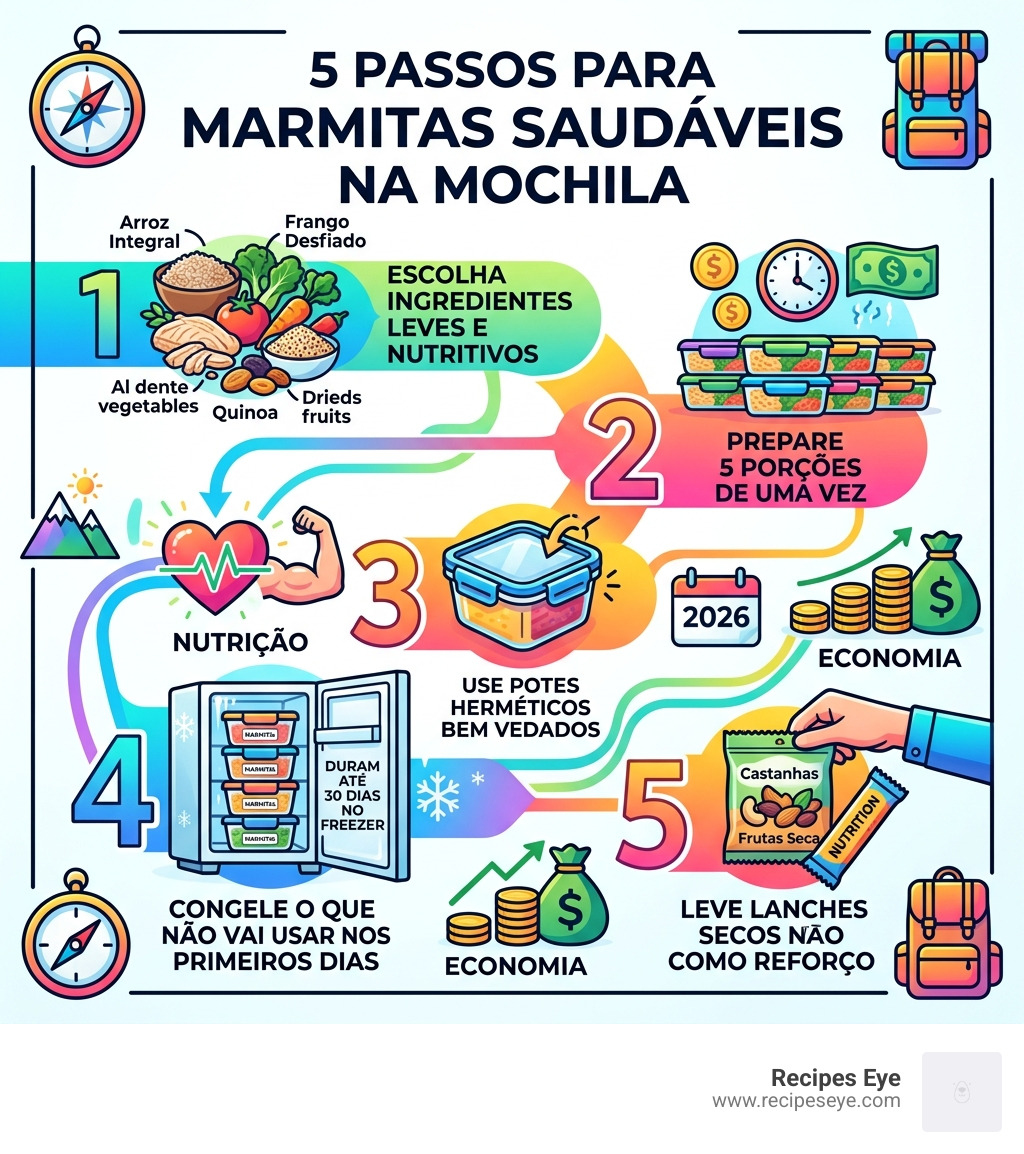
Quick answer — how to assemble healthy meal preps to carry in your backpack:
- Choose light and nutritious ingredients — brown rice, shredded chicken, al dente vegetables, quinoa, or Moroccan couscous
- Prepare 5 portions at once — save time, energy, and money
- Use well-sealed airtight containers — prevents leaks and maintains freshness
- Freeze what you won’t use in the first few days — meal preps last up to 30 days in the freezer
- Carry dry snacks as backup — nuts, dried fruits, and bars complete the day
Destinations like Fernando de Noronha can charge more than R$50 for a simple meal at a restaurant. A meal prep at the local market costs around R$25 — and the one you make at home costs much less.
The problem is that most people don’t know what to prepare, how to pack, or how long the food lasts out of the fridge. Result: spoiled food, wasted money, or surrendering to expensive snacks at stalls.
This guide solves that. You will learn to plan, prepare, and transport nutritious meals that fit in your backpack, withstand the journey, and still save you a good amount of money along the way.
What are marmitas saudáveis para mochileiros and why bet on them?
When we talk about marmitas saudáveis para mochileiros, we are not just talking about “food in a container.” We are talking about a survival strategy and resource optimization. In April 2026, with inflation and tourism costs on the rise, preparing your own food has moved from being just a fitness choice to a financial necessity.

Betting on these meal preps ensures three fundamental pillars for those on the road:
- Energy Density: Backpackers expend a lot of energy. A heavy trail or a full day walking through a historic city requires complex carbohydrates and proteins. According to WebMD, the balance between macronutrients is essential for physical endurance and muscle recovery.
- Food Safety: By preparing your own food, you control the source of the ingredients. This avoids the famous “travel viruses” caused by poorly sanitized food at street kiosks.
- Household Economy: In destinations like Fernando de Noronha, the Environmental Preservation Tax (TPA) already costs about R$73.52 per day (reaching over R$600 for 10 days). If you add that to the cost of eating out, the trip becomes unfeasible. Bringing your own food or cooking at the hostel is the difference between traveling for a week or a month.
Planning and ingredients: What to carry in your backpack?
The backpacker’s greatest enemy is weight. Therefore, the planning of marmitas saudáveis para mochileiros should focus on ingredients that offer maximum nutrition with minimum volume and risk of spoiling.
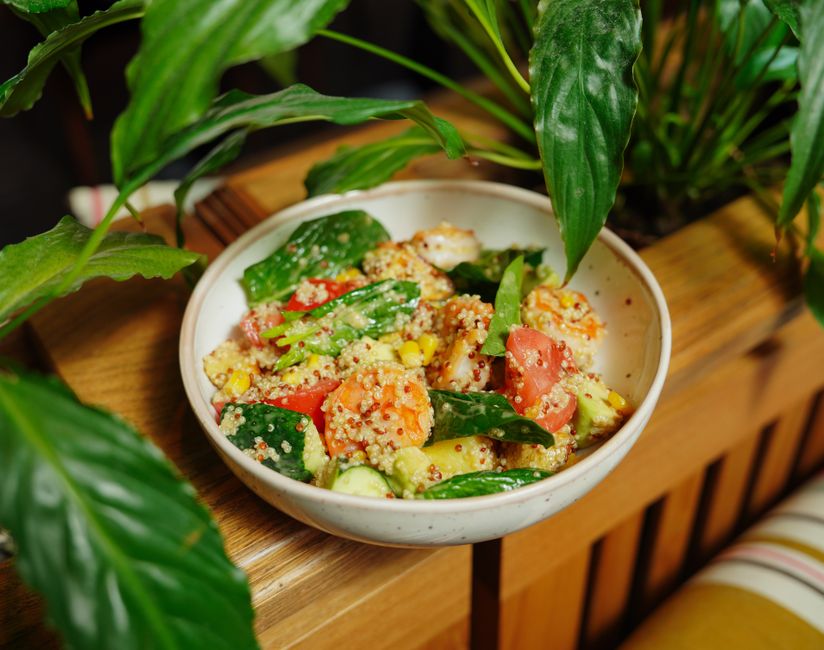
For efficient preservation, we should prioritize foods that do not release much water after cooking. “Al dente” vegetables are better than very liquid purees, as they maintain texture longer and are less prone to souring.
Light and nutritious ingredients for marmitas saudáveis para mochileiros
Here are our “backpack champions” that you should include in your shopping list:
- Grain Bases: Quinoa and Moroccan couscous are excellent because they take up little space and are extremely quick to prepare (couscous only needs hot water). Brown rice is the classic option for prolonged satiety.
- Lean Proteins: Shredded chicken is the best option as it is easy to portion and resists freezing well. Ground beef (lean cuts) also works very well, as long as it is kept quite dry.
- Resistant Vegetables: Carrots, broccoli, green beans, and zucchini. The secret is to cook them quickly so they stay firm.
- Good Fats and Extras: Oilseeds (nuts, walnuts) and seeds (sunflower, pumpkin) add crunch and healthy calories without weighing down the backpack.
To discover more combinations and ideal proportions, check out our more recipes and tips.
Practical and transport-resistant recipes
Assembling the meal prep is an art. If you mix everything randomly, you’ll have an unappetizing “mush” at mealtime. For the backpacker, durability and flavor must go hand in hand.
Fit burrito and marmitas saudáveis para mochileiros in a single pot
The burrito is perhaps the most practical meal prep in the world for those on the move. It requires no cutlery and can be eaten cold or hot.
How to assemble the perfect burrito:
- Use a sturdy whole-wheat tortilla.
- Spread a thin layer of light cream cheese or hummus to seal.
- Add well-seasoned shredded chicken (use paprika, garlic, and lemon).
- Add roasted vegetables (peppers and onions work very well).
- Roll tightly, folding the ends inward.
- Wrap in aluminum foil. This maintains the structure and makes it easier to consume on the trail.
Additionally, the “one-pot” technique is excellent for those cooking in hostels. You sauté the protein, add the vegetables and the grain in the same pan, reducing dishes and concentrating flavors. Protein consumption is vital, as pointed out by this research on muscle recovery.
Vegetarian and vegan options for trails
For plant-based travelers, the options are vast and often safer, as vegetables tend to have a slower degradation time than meats outside the fridge.
- Chickpeas: Can be carried cooked in salads or roasted (crunchy) as a protein snack.
- Smoked Tofu: Has excellent durability and an intense flavor that pairs well with Moroccan couscous.
- Tahini Sauce: Carry in a small separate container. It is an incredible source of calcium and good fats.
- Mushroom Mix: Sautéed with plenty of garlic and herbs, they provide the necessary texture to replace meat.
Travel logistics: How to preserve and transport without leaking
There is nothing worse than opening your backpack and finding your clothes soaked in tomato sauce. Safety in transport is fundamental.
Golden Tips for Preservation:
- Home Ultra-freezing: If you have access to a freezer before the trip, freeze the meal preps without the lid (or with the lid just resting) until they are solid. This preserves the texture of the vegetables.
- Sealing: Use containers with side latches and a sealing rubber. If you’re unsure, place a layer of plastic wrap between the container and the lid.
- Thermal Bags: Invest in a small thermal bag that fits inside your backpack. It can maintain the temperature for 4 to 6 hours, depending on the external climate.
Packaging Comparison for Backpackers
| Container Type | Pros | Cons |
|---|---|---|
| Tempered Glass | Doesn’t absorb smell, oven/microwave safe, more hygienic. | Heavy and can break on rugged trails. |
| BPA-Free Plastic | Lightweight, cheap, easy to replace. | Can stain with sauces and absorb odors over time. |
| Collapsible Silicone | Saves space when empty, lightweight. | Less stable for very liquid foods. |
Saving in expensive destinations like Fernando de Noronha
Fernando de Noronha is the ultimate test for any Brazilian’s wallet. In 2026, prices remain challenging. In addition to the TPA already mentioned, mineral water can be a silent and high expense. Many hostels offer potable water (like from Cacimba do Padre) for a symbolic fee of R$15 for the entire stay — take advantage!
Strategy for 10 days in Noronha:
- Bring the basics from home: Brown rice, beans (or lentils), oats, and nuts can go in checked luggage. This saves a lot, as markets on the island are expensive.
- Local Meal Preps: The “Restante do Waldemar” market is famous for selling meal preps at more affordable prices (around R$25). It’s a great alternative for days when you don’t want to cook at the hostel.
- Weekly Planning: Cook in large quantities on the first day. Prepare 5 meal preps of rice, chicken, and vegetables (about 550 kcal each) and leave them in the hostel’s shared fridge (properly labeled!).
- Trail Snacks: Never leave without a mix of dried fruits and nuts. They prevent you from having to buy a R$20 snack at the beach entrance.
Frequently Asked Questions about travel meal preps
How to reheat meal preps in places without a kitchen?
If you are at a campsite or a place without a microwave, the bain-marie technique is your best friend. Place the container (if heat-resistant) inside a pot with a little hot water. Another option is to bring meals that can be consumed cold, such as burritos, natural sandwiches, or grain salads (quinoa/couscous).
How long does the meal prep last out of the fridge?
In mild temperatures, a well-cooked meal prep lasts about 3 to 4 hours. In tropical climates, this time drops to 2 hours. Therefore, the use of thermal bags and gel ice (or a frozen water bottle next to the container) is essential to ensure food safety during the day.
Is it better to bring homemade meal preps or buy ready-made?
Homemade meal preps are always cheaper and adapted to your taste. However, healthy food companies offer ultra-frozen options that use technology to maintain the “grandma’s food” flavor. If you don’t have time to cook before traveling, these options are valid, especially if there are discount coupons for the first purchase.
Conclusion
Traveling as a backpacker doesn’t mean giving up health or going hungry to save a few bucks. With the right planning and the preparation of marmitas saudáveis para mochileiros, you gain geographical and financial freedom.
At Recipes Eye, we believe that conscious eating is the foundation for any adventure. Whether exploring the trails of Fernando de Noronha or backpacking through South America, bringing your own food is an act of sustainability and self-care.
Access more nutritious recipes at Recipes Eye and start planning your next journey today without the hassle!

