
The Ultimate Guide to Making Healthy Snacks at Home
Why Healthy Snack Recipes Belong in Every Home Kitchen
Healthy snack recipes are the easiest way to stay energized, avoid junk food cravings, and eat well without spending a lot of time or money. Here are some of the best options you can make at home in minutes:
Quick Healthy Snacks You Can Make Today:
- No-Bake Energy Balls – oats, peanut butter, honey, and flaxseed rolled into bites (5g protein each)
- Roasted Chickpeas – crispy, seasoned, and packed with nearly 5g fiber and 7g protein per serving
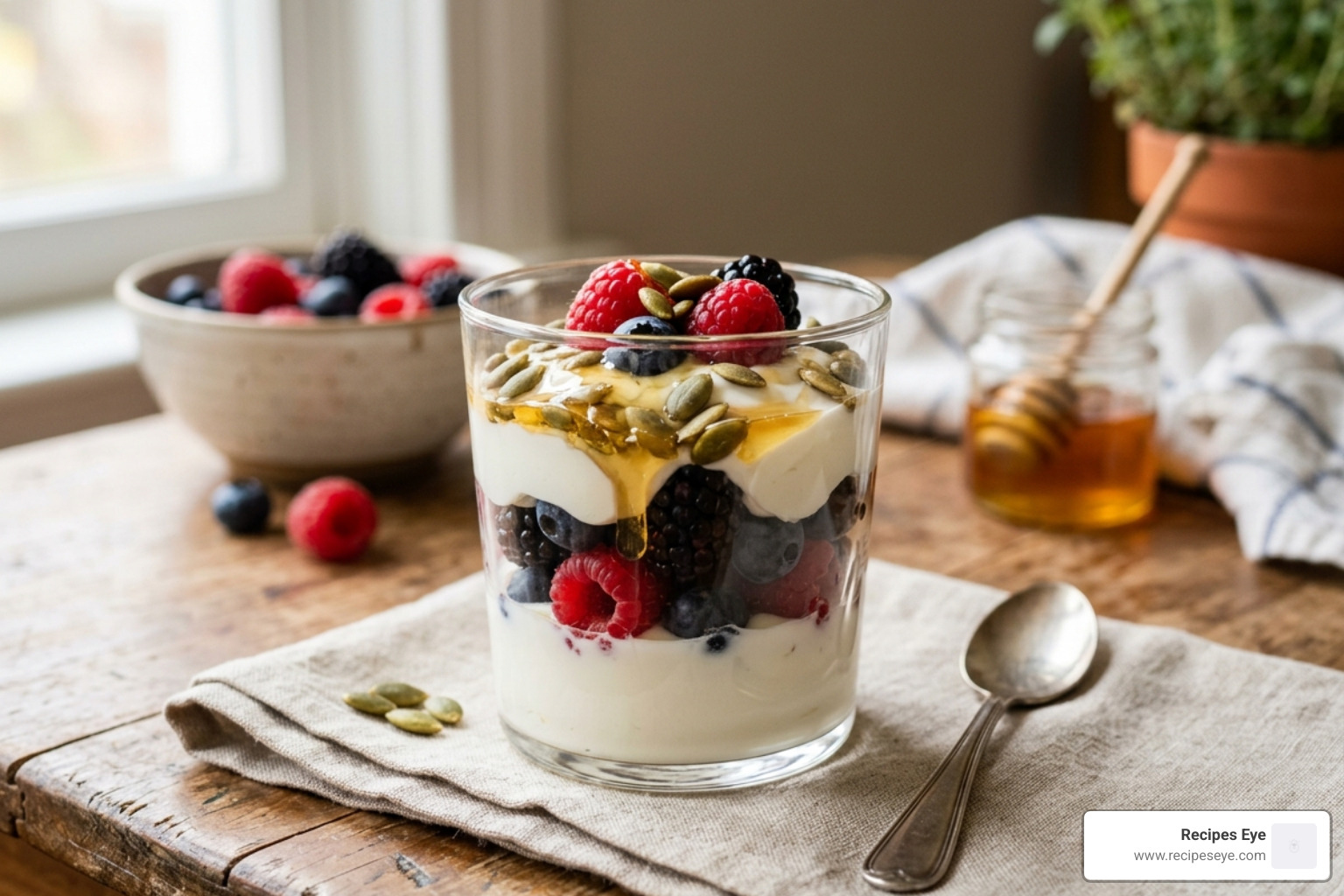
- Yogurt Parfait – Greek yogurt layered with berries and seeds, ready in under 5 minutes
- Apricot & Cashew Bites – blended in 2 minutes, 5.5g protein and 5.1g fiber per serving
- Homemade Granola Bars – baked in batches, 7g protein and 4g fiber per bar
- Avocado Toast – whole grain bread, mashed avocado, sea salt — done in minutes
- Almond-Stuffed Dates – naturally sweet, no added sugar, zero prep equipment needed
Most people hit a wall around 3pm. Energy drops. Cravings spike. And if there’s nothing healthy within reach, it’s easy to grab whatever’s convenient — usually something processed, salty, or loaded with added sugar.
The good news? You don’t need fancy ingredients or cooking skills to fix that.
Homemade snacks put you in control. You choose what goes in. You skip the additives, excess sodium, and mystery ingredients found in most packaged options. And as a bonus, they’re almost always cheaper to make yourself.
The key to a snack that actually keeps you full comes down to three things: fiber, protein, and healthy fats. Together, they slow digestion, stabilize blood sugar, and stop you from reaching for more food 20 minutes later.
This guide walks you through everything — from 5-minute no-bake recipes to make-ahead meal prep strategies — so you always have something satisfying on hand.
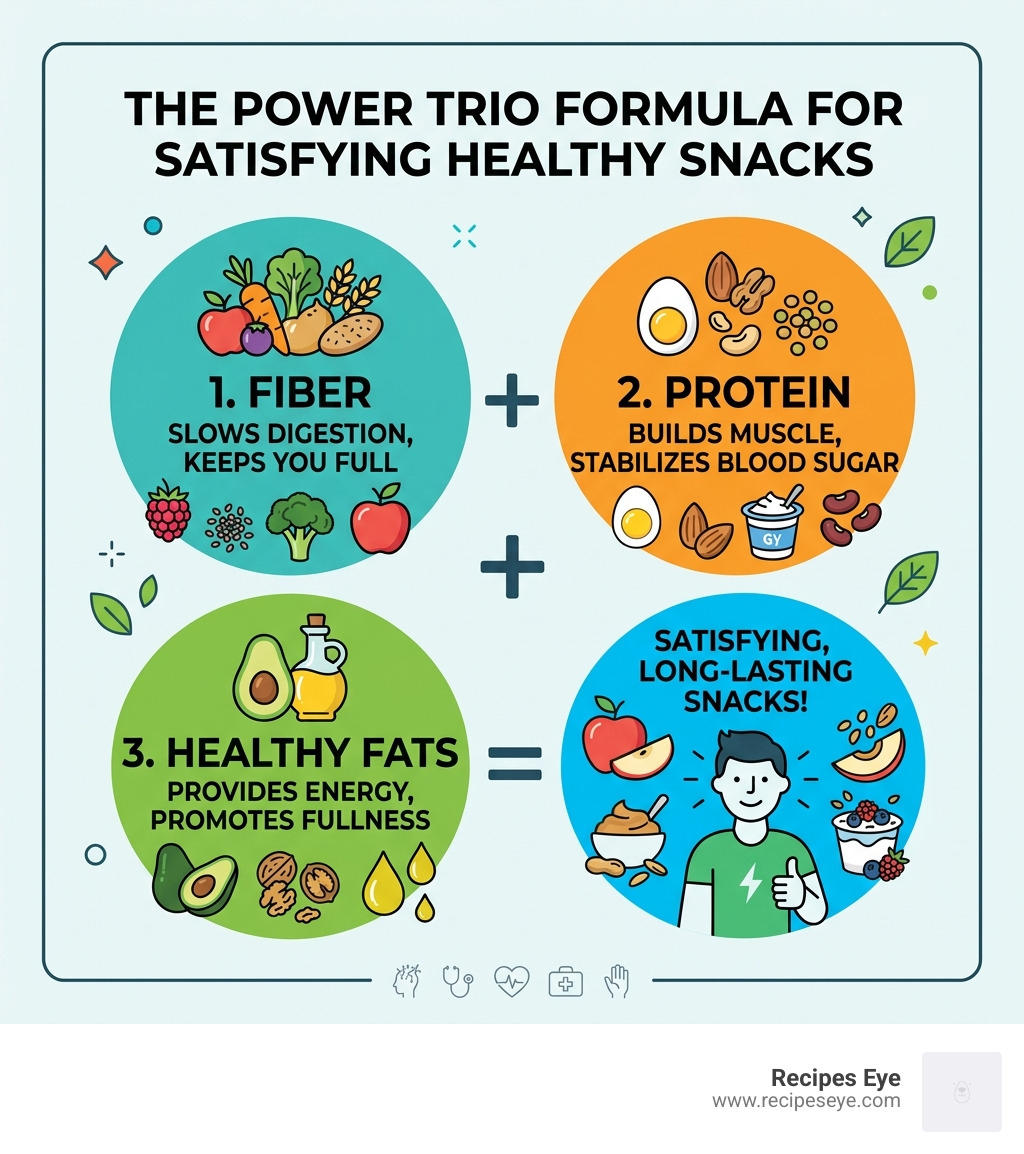
The Science of Snacking: What Makes a Recipe Truly Healthy?
In April 2026, the definition of a “healthy” snack has evolved beyond just counting calories. We now focus on nutrient density—the amount of vitamins, minerals, and macronutrients you get per bite. A snack is truly healthy when it serves a purpose, whether that’s fueling a workout or stabilizing your mood between meetings.
To build a better snack, we prioritize whole foods. This means choosing a piece of fruit over a fruit fruit-flavored gummy, or roasted nuts over a processed cracker. By focusing on plant-based proteins and high-fiber ingredients, we ensure our snacks support digestive health and heart health.
One of the biggest advantages of making your own healthy snack recipes is the ability to slash sodium and added sugars. Most store-bought “healthy” bars are essentially candy bars in disguise. When we cook at home, we use natural sweeteners like Medjool dates or a touch of honey, and we control the salt shaker.
Comparison: Homemade vs. Store-Bought Snacks
| Feature | Homemade Snacks | Store-Bought Snacks |
|---|---|---|
| Fiber Content | High (Whole grains, seeds, skins) | Often low or “added” (synthetic) |
| Protein Quality | Real food sources (Nuts, legumes, dairy) | Often soy or whey isolates |
| Sodium Levels | Controlled by you | High for shelf-life preservation |
| Added Sugar | Natural sources (Fruit, maple syrup) | High (Corn syrup, cane sugar) |
| Cost | Budget-friendly (Bulk buying) | Premium pricing for convenience |
A standout example of this is the Crunchy Parmesan Chickpeas nutrition research, which shows that just one serving provides nearly 5 grams of fiber and 7 grams of protein for only 164 calories. You’d be hard-pressed to find a bag of chips that offers that kind of nutritional bang for your buck.
Benefits of High-Protein Healthy Snack Recipes
Protein isn’t just for bodybuilders. It is the most satiating macronutrient, meaning it tells your brain you are full faster than fats or carbs do. Incorporating protein into your healthy snack recipes prevents the “bottomless pit” feeling where you finish a snack and immediately want another.
Excellent sources of snack-time protein include:
- Greek Yogurt: High in probiotics and double the protein of regular yogurt.
- Hemp Hearts: A tiny “superfood” you can sprinkle on anything for a nutty flavor and a protein boost.
- Roasted Legumes: If you haven’t tried this Crispy Roasted Chickpeas Recipe – Cookie and Kate, you’re missing out on a popcorn-like crunch that actually builds muscle.
Heart-Healthy Ingredients for 2026
As we move through 2026, heart health remains a top priority. We look for ingredients that lower “bad” LDL cholesterol and reduce inflammation. This means swapping saturated fats (like butter or palm oil) for unsaturated healthy fats.
Chia seeds are a staple in our kitchen because they are rich in Omega-3 fatty acids, antioxidants, and fiber. Similarly, walnuts and avocados provide the monounsaturated fats that keep your arteries flexible and your brain sharp. When we design healthy snack recipes, we aim for low sodium to keep blood pressure in check, using herbs and spices like smoked paprika or cumin to provide flavor instead.
Quick and Easy Healthy Snack Recipes for Busy Days
We get it—you’re busy. You don’t always have an hour to bake muffins or prep elaborate dips. That’s why we love “assembly-only” snacks. These are the recipes that take 5 minutes or less and require zero heat.
One of our favorite 5-minute fixes is the Rice Cake Snackwich. Simply take a brown rice cake, spread on two tablespoons of almond butter, and top with sliced strawberries. This combo boasts 5 grams of fiber and 5 grams of protein, making it the perfect midday pick-me-up. If you prefer savory, try a Cottage Cheese Bowl topped with sliced cucumbers and a dash of “everything bagel” seasoning.
Refreshing Smoothies and Parfaits
Smoothies are the ultimate “hidden veggie” vehicle. If you struggle to eat enough greens, blending a handful of spinach with frozen peaches and ginger is a game-changer. Ginger and papaya are particularly great for reducing bloating, while kefir or Greek yogurt adds the protein needed to turn a drink into a meal.
Pro Tip: Use frozen fruit instead of ice cubes. It gives your smoothie a creamy, frosty texture without watering down the flavor. If you’re making a parfait to go, keep your granola or cereal in a separate small container and top it right before eating to ensure it stays crunchy!
Simple Savory Healthy Snack Recipes
If you crave salt over sugar, savory healthy snack recipes are your best friend. Hummus and white bean dips are classic for a reason—they are packed with plant-based protein.
- Jicama Chips: Slice jicama thin and sprinkle with lime juice and chili powder for a refreshing, low-calorie crunch.
- Air-Popped Popcorn: Skip the microwave bags. Pop organic kernels on the stove or in a brown paper bag in the microwave. It’s a whole grain that is surprisingly high in fiber.
- Steamed Edamame: Just 10 minutes of steaming and a pinch of sea salt gives you a complete protein snack that’s fun to eat.
Satisfying Your Sweet Tooth Without Added Sugar
You don’t need refined sugar to satisfy a dessert craving. Nature’s candy—fruit—is more than enough when paired correctly. Medjool dates are a “whole-foodie” favorite because they are soft, caramelly, and easy to stuff.
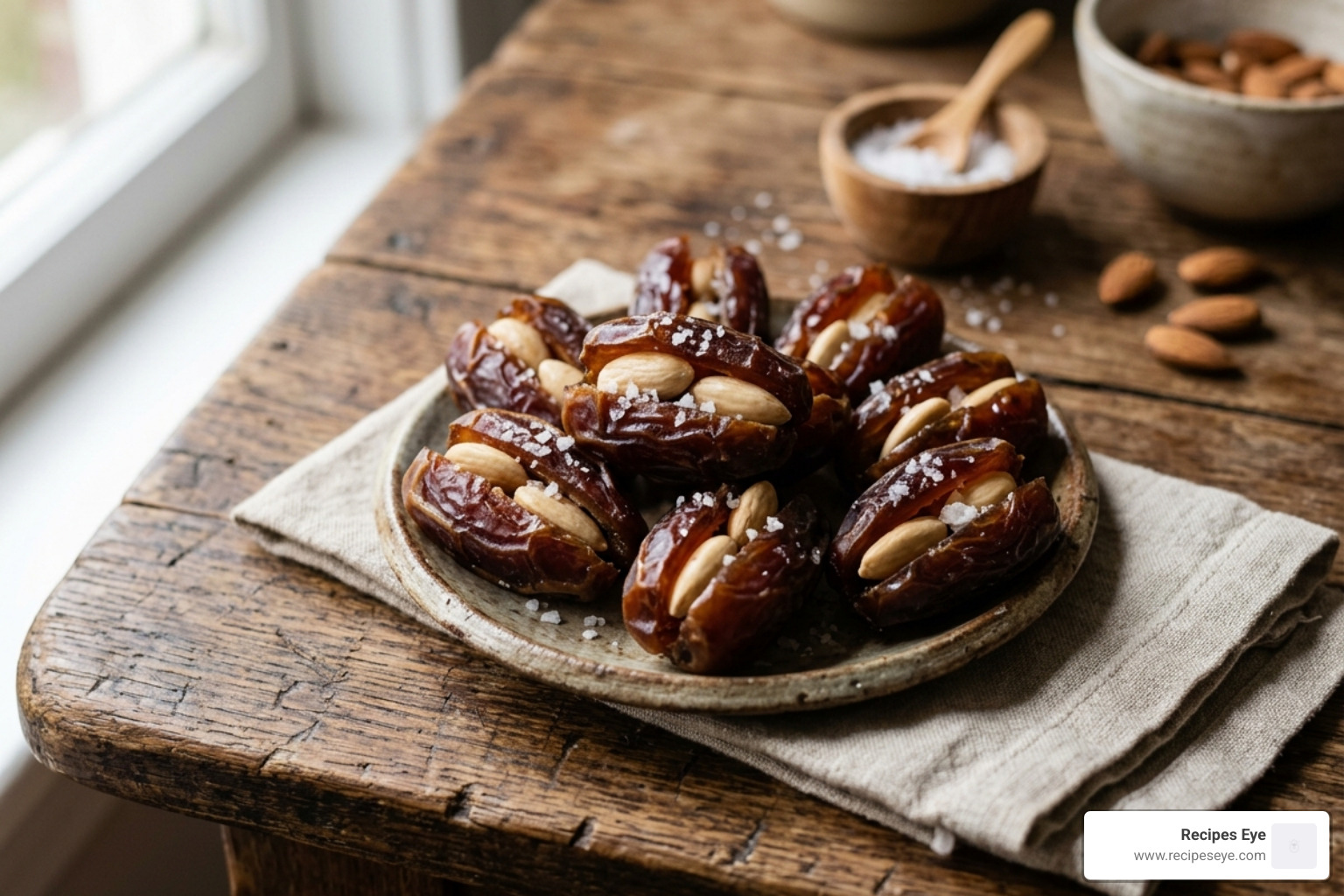
Try removing the pit from a date and filling it with a teaspoon of natural peanut butter. It’s an instant antidote for a sweet tooth. For something more substantial, Banana Oat Cookies are virtually foolproof. Mash two ripe bananas, mix with 1.5 cups of rolled oats, add a handful of dark chocolate chips, and bake. No flour, no eggs, no added sugar.
No-Bake Energy Balls and Granola Bars
Energy balls are the ultimate grab-and-go fuel. Our favorite recipe uses rolled oats, ground flaxseed, and nut butter. These “bites” provide sustainable energy because the fiber in the oats slows down the absorption of the natural sugars in the honey or maple syrup.
Healthy Granola Bars are another batch-cooking hero. By making them at home, you ensure they contain at least 7 grams of protein and 4 grams of fiber per serving. We recommend toasting your oats and nuts for 5 minutes before mixing—it adds a depth of flavor that store-bought bars just can’t match.
Meal Prep and Storage: Keeping Your Snacks Fresh and Ready
The secret to healthy eating isn’t willpower; it’s preparation. If a healthy snack is already portioned and visible in your fridge, you are 10 times more likely to choose it over a bag of crackers.
We recommend spending 1-2 hours on a Sunday “component prepping.” This doesn’t mean making full meals, but rather prepping the building blocks:
- Wash and slice bell peppers and carrots.
- Hard-boil half a dozen eggs (they stay fresh for 5 days!).
- Whip up a batch of energy balls or granola bars.
- Portion nuts into small reusable “grab-and-go” bags to prevent mindless overeating from a large jar.
How to Freeze and Thaw Homemade Snacks
Many healthy snack recipes are freezer-friendly, which is a lifesaver for busy weeks.
- Muffins and Quick Breads: Wrap individually and freeze. They thaw in about 30 minutes at room temperature or 30 seconds in the microwave.
- Energy Bites: These actually taste great straight from the freezer! They can last up to 3 months in an airtight container.
- Smoothie Packs: Put your greens, fruit, and ginger into a silicone bag. In the morning, just dump the contents into the blender with some liquid and go.
Customizing Healthy Snack Recipes for Every Diet
No two eaters are the same. Whether you’re dealing with a picky toddler or a specific dietary restriction, healthy snack recipes are incredibly flexible.
- Vegan Swaps: Use maple syrup or agave instead of honey. Swap Greek yogurt for coconut or soy-based alternatives.
- Gluten-Free: Always use “certified gluten-free” oats to avoid cross-contamination.
- Nut-Free: If your child’s school is nut-free, sunflower seed butter (SunButter) is an excellent 1:1 replacement for peanut butter in almost any recipe.
Healthy Snack Recipes for Kids and Picky Eaters
The goal with kids is to make food fun. Use small cookie cutters to turn melon slices into stars or cucumbers into hearts. Homemade Yogurt Tubes are also a hit—blend yogurt and fruit, pour into reusable silicone tubes, and freeze for a healthy “Go-Gurt” alternative.
Dips are another secret weapon. Kids who won’t touch a plain carrot might devour it if there’s a “magic” peanut sauce or a creamy hummus to dip it in. Presentation matters!
Frequently Asked Questions about Healthy Snacking
Are homemade snacks cheaper than store-bought versions?
Absolutely. When you buy ingredients like oats, chickpeas, and nuts in bulk, the cost per serving drops significantly. A single “luxury” protein bar can cost $3.00, while a homemade version with better ingredients usually costs less than $0.75.
How can I stop overeating even when the snacks are healthy?
Portion control is key. Even healthy fats (like those in nuts and avocados) are calorie-dense. Avoid eating directly out of a large bag or container. Instead, put your snack on a small plate or in a bowl. This visual cue helps your brain register that you are eating a distinct meal.
What are the best snacks for reducing bloating and improving digestion?
Look for ingredients with high water content and specific digestive enzymes. Kiwi, papaya, and pineapple contain enzymes that help break down protein. Ginger is excellent for soothing the digestive tract, and fermented foods like kefir or yogurt provide the probiotics your gut needs to stay balanced.
Conclusion
At Recipes Eye, we believe that eating well should never feel like a chore. By mastering a few simple healthy snack recipes, you take back control of your energy levels and your health. Whether it’s a 2-minute apricot bite or a batch of extra-crispy roasted chickpeas, these small choices add up to a big difference in how you feel every day.
The best snack is the one you actually enjoy eating. Don’t be afraid to experiment with different spices, nut butters, and fruits until you find your “signature” snack.
Ready to transform your kitchen into a wellness hub? Join the community for more incredible recipes and start your journey toward mindful, delicious eating today!

