
Don’t Go Broke Abroad: Budget Travel Tips for the Savvy Wanderer
You Don’t Have to Be Rich to See the World
Budget travel tips can transform even a tight paycheck into a passport full of stamps. The core idea is simple: spend smarter, not less, on the things that matter.
Here are the most effective ways to travel on a budget in 2026:
- Book flights midweek (Tuesday or Wednesday) to avoid weekend price premiums
- Travel in shoulder season to cut both flight and hotel costs by hundreds of dollars
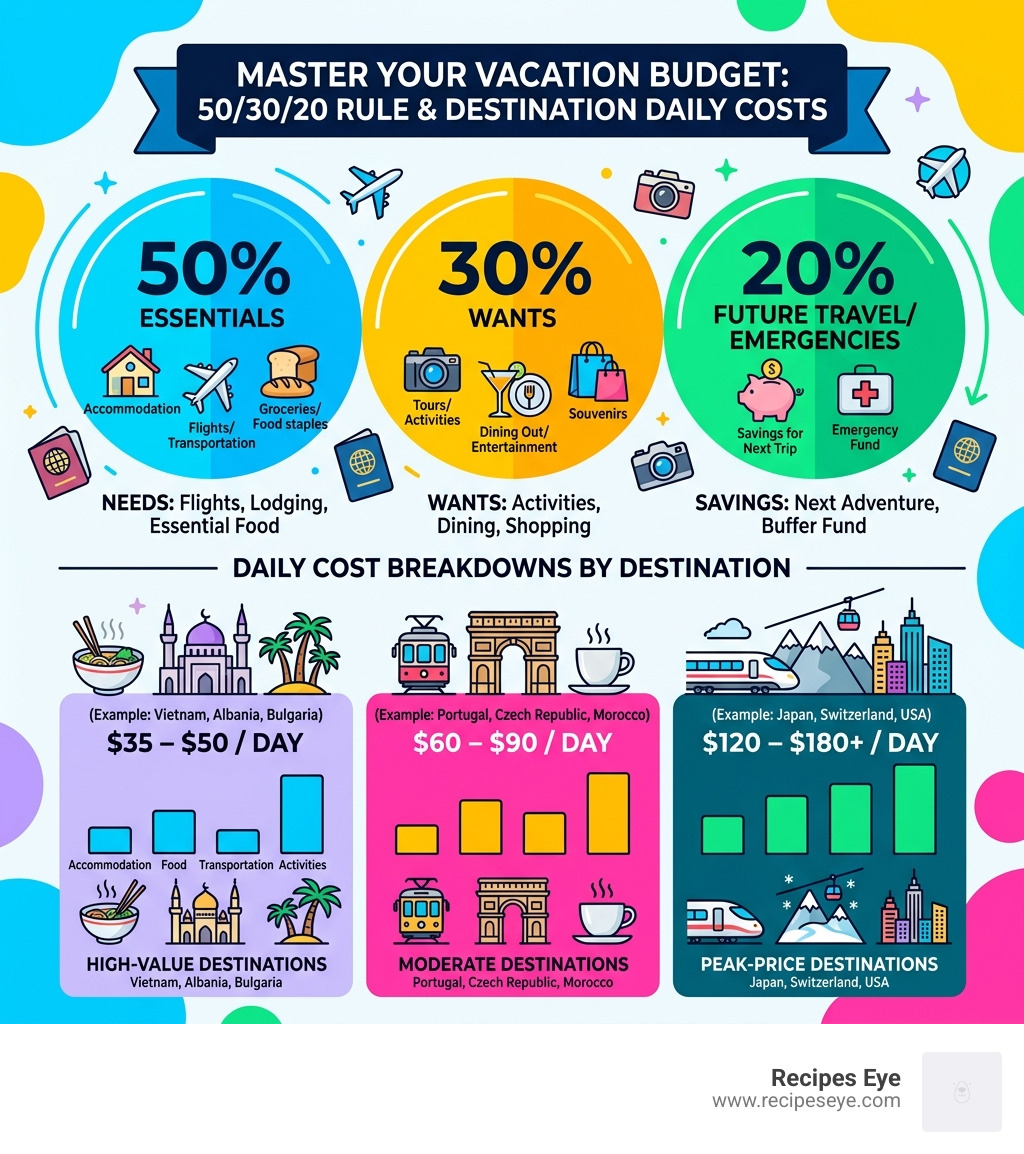
- Choose high-value destinations like Vietnam, Albania, or Bulgaria where $35–$50/day covers most expenses
- Stay in hostels or do work exchanges for lodging as low as $10/night (or free)
- Eat like a local — street food, local markets, and set lunch menus beat tourist restaurants every time
- Use no-foreign-transaction-fee cards to avoid the silent 3% drain on every purchase
- Pack carry-on only to skip $30–$120 in checked bag fees per trip
- Set flight price alerts on Google Flights or Skyscanner and let the deals come to you
The reality? Travel has gotten more expensive since the post-COVID travel boom. Prices on flights, accommodation, and tours have all climbed. But the gap between what most people pay and what savvy travelers pay has never been wider — because the tools and strategies to save money are better than ever.
Whether you have two weeks or two months, a solo trip or a family adventure, the principles are the same. Plan smarter, stay flexible, and spend your money where it actually counts.
Master the Art of Strategic Planning and Logistics
In April 2026, the world is more accessible than ever, but the “convenience tax” is at an all-time high. If you book the first flight you see and stay in the most central hotel, you’ll likely pay double what a savvy wanderer pays. Strategic planning isn’t about spreadsheets; it’s about understanding the rhythm of the travel industry.
One of the most effective budget travel tips we recommend is embracing the “shoulder season.” This is the sweet spot right before or after the peak summer and winter holidays. For example, visiting the Mediterranean in May or September offers perfect weather with accommodation prices up to 40% lower than in July.
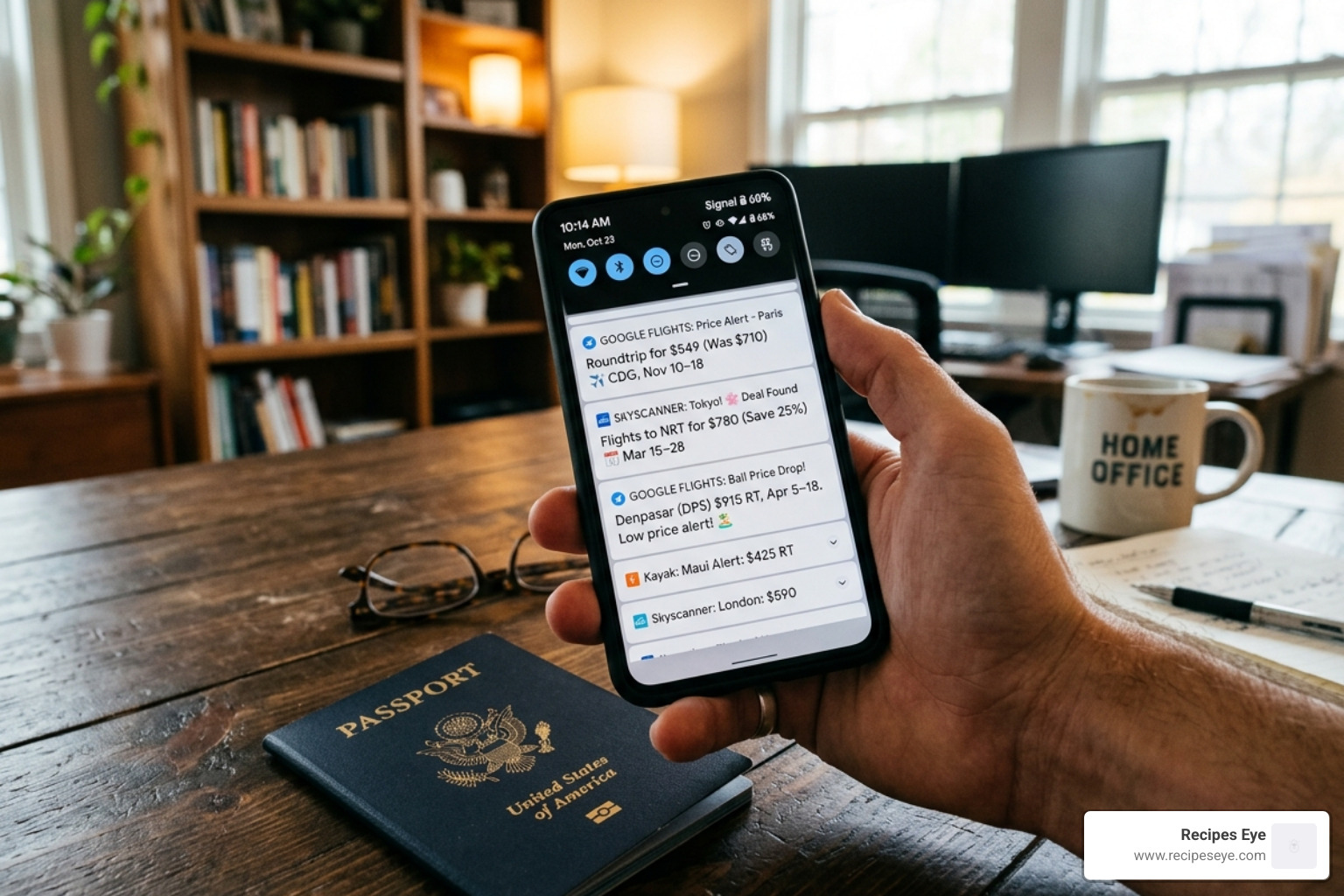
Midweek travel is your secret weapon. Statistics show that traveling on a Tuesday or Wednesday can save you significant money, as airlines add premiums to weekend flights to cater to vacationers and business travelers. Furthermore, be wary of the “transit tax”—the hidden cost of moving between cities too frequently. Every time you switch locations, you spend money on trains, buses, or flights, and you lose valuable time. By staying in one “base” for a week, you can often unlock weekly discounts on rentals and get to know the local grocery stores where the real savings (and the best fresh ingredients) live.
Finally, we cannot overstate the value of packing light. A 40L backpack is the “Goldilocks” of luggage—large enough for a week of clothes but small enough to fit in an overhead bin. By going carry-on only, you avoid those pesky $35–$50 checked bag fees that budget airlines love to charge.
Finding Cheap Flights: Essential Budget Travel Tips
Finding the “deal of a century” isn’t about luck; it’s about using the right tools. We suggest starting with Google Flights and Skyscanner. Use the “Date Grid” feature to see how shifting your trip by just two days can drop the price by $200.
If you’re feeling adventurous, look into “positioning flights.” This involves booking a cheap domestic flight to a major hub (like New York or London) and then booking a separate long-haul ticket from there. It takes a bit more coordination, but the savings can be massive. Also, keep an eye out for “error fares”—those rare moments when an airline accidentally lists a $900 flight for $190. Services like How to travel on a budget: Here are our 20 top tips – The Points Guy are excellent for staying updated on these glitches. Research suggests that for international trips, the 49-day booking window is often the “sweet spot” for the lowest prices.
Choosing High-Value Destinations in 2026
Where you go is the biggest factor in how much you spend. In 2026, we are seeing incredible value in destinations where your currency has high purchasing power. Vietnam remains a top contender; in cities like Da Nang, you can find high-quality hotel rooms for $14 a night and local beers for $0.25.
Albania is the “new Croatia,” offering stunning Mediterranean beaches in spots like Ksamil and Himare for a fraction of the price of Italy or Greece. Bulgaria and Bolivia also offer unique cultural experiences with daily costs that won’t break the bank.
| Destination | Daily Backpacker Budget | Mid-Range Daily Budget | Local Beer Price |
|---|---|---|---|
| Da Nang, Vietnam | $30 | $50 | $0.25 |
| London, UK | $110 | $220 | $7.50 |
| Sofia, Bulgaria | $40 | $75 | $2.50 |
| Mexico City, Mexico | $50 | $90 | $3.00 |
Smart Accommodation and the Best Budget Travel Tips for 2026
Accommodation will likely be your second-largest expense after flights. However, 2026 offers more variety than just standard hotels. Modern hostels have evolved; many now offer “flashpacker” amenities like private rooms, coworking spaces, and rooftop bars. A dorm bed in Eastern Europe or Southeast Asia can cost as little as $10–$20 per night, while a private room in a boutique hostel in Italy might run $34–$50—still much cheaper than a hotel.
When booking, we recommend checking platforms like How to Travel on a Budget in 2026 for advice on finding the best spots. A pro tip: find the hostel on an aggregator, then call or message them directly. Many properties prefer direct bookings to avoid commission fees and may offer you a better rate or a free breakfast in exchange.

Leveraging the Sharing Economy and Work Exchanges
If you have more time than money, the sharing economy is your best friend. Platforms like Worldpackers or Workaway allow you to trade 4–5 hours of work per day (anything from gardening to social media management) for free lodging and meals. This is a fantastic way to experience deep cultural immersion.
For those who prefer a more traditional stay, Couchsurfing remains a viable way to meet locals and stay for free, though it requires a spirit of adventure and a focus on community. House-sitting is another high-value option, especially in expensive regions like Western Europe or North America. You get to live in a real home and care for a pet while the owners are away—a win-win for everyone involved.
Maximizing Memberships and Rewards
Don’t leave money on the table. Even if you aren’t a “travel hacker,” simple steps can save you hundreds. Use credit cards with no foreign transaction fees to avoid the 3% surcharge most banks tack onto international purchases.
If you are a member of AARP (yes, even if you’re under 50!) or AAA, you can access significant discounts on car rentals and hotels. Loyalty programs are also essential. Even if you only stay at a Hilton or Marriott once a year, joining the free loyalty tier can get you 10–15% off and free Wi-Fi. For domestic road trips, apps like Shell Fuel Rewards can shave cents off every gallon, which adds up quickly over a long journey.
Eating Like a Local: Nutritious and Affordable Food Hacks
At Recipes Eye, we believe that food is the heart of travel. You don’t need to eat at expensive, tourist-trap restaurants to experience a country’s culinary soul. In fact, some of the most nutritious and delicious meals we’ve found have been in local markets.
Street food is a budget traveler’s dream. In Southeast Asia or Mexico, a $2 street taco or a bowl of phở is often fresher and more authentic than a $20 hotel meal. To stay healthy, look for stalls with high turnover—if the locals are lining up, the food is fresh.
Another one of our favorite budget travel tips is the “supermarket haul.” Visit a local grocery store on your first day. Buying a bag of local fruit, some regional cheese, and fresh bread allows you to have a nutritious “picnic lunch” every day. This simple habit can save you $15–$30 daily. Also, carry a reusable thermos. Many cities now have high-quality public water fountains (like the nasoni in Rome), saving you from buying overpriced plastic bottles.
Eating Well on a Dime: Culinary Budget Travel Tips
To find the best value, follow the “Five-Block Rule”: walk five blocks away from any major tourist attraction (like the Eiffel Tower or the Colosseum). The prices will drop, and the quality will rise as restaurants begin to cater to locals rather than one-time visitors.
In Europe, look for the “Menu del Dia” or “Plat du Jour.” These are fixed-price lunch menus that include a starter, main course, and often a drink or coffee for €10–€15. It’s the best way to eat a high-quality, sit-down meal without the dinner price tag. Some travelers also utilize “intermittent fasting,” enjoying a massive (often free) hotel breakfast, a light snack for lunch, and a nice local dinner. For more data on how to balance food quality and cost, see The Data-Driven Guide to Budget Travel in 2026: Cut Costs Without Cutting Quality.
Authentic Experiences Without the Price Tag
You don’t need a $100 tour to see a city. Free walking tours are available in almost every major city worldwide. These tours are led by local guides who work for tips, meaning they are highly motivated to give you an incredible experience.
Check for free museum days as well. Many world-class institutions, like the British Museum in London, are always free, while others (like the Prado in Madrid) offer free entry during the last two hours of the day. For nature lovers, hiking and exploring public parks are free and offer some of the best views and photo opportunities.
Navigating the World Without Draining Your Bank Account
Transportation within a country can sneakily eat up your budget. Taxis and ride-shares should be your last resort. Instead, embrace public transportation. Most cities offer 24-hour or 3-day passes that provide unlimited rides for the price of a single taxi trip.
For travel between cities, consider overnight trains or buses. While a 10-hour bus ride might sound daunting, it serves a dual purpose: it gets you to your next destination and covers the cost of a night’s accommodation. In Europe, companies like FlixBus offer incredibly cheap intercity travel, sometimes for as little as €5 if booked in advance.
Don’t forget the power of walking. It’s free, it’s healthy, and it’s the best way to stumble upon hidden gems you’d otherwise miss. Use offline maps (like Maps.me or Google Maps offline) to navigate without burning through expensive roaming data. For more transport hacks, check out How to Travel Cheap in 2026: 9 Real Steps.
Avoiding Common Scams and Financial Pitfalls
The savvy wanderer is a prepared wanderer. Budget travel often involves being in crowded areas where pickpockets operate. We recommend using a money belt for your passport and backup cards, leaving only a small amount of “daily cash” in your wallet.
Be wary of “too good to be true” offers. If a stranger approaches you with a “free” gift or a “special” deal on a tour, politely decline. Always use ATMs located inside banks to avoid skimming devices and high fees. When dining out, always ask for an itemized bill to ensure you aren’t being charged a “tourist tax” or for items you didn’t order. Finally, never skip travel insurance. While it feels like an extra cost, a single medical emergency abroad can cost tens of thousands of dollars, making insurance the ultimate budget-saving tool.
Frequently Asked Questions about Budget Travel
What is a realistic daily budget for affordable destinations?
For high-value countries like Vietnam, Albania, or Mexico, a realistic backpacker budget is $35–$50 per day. This covers a hostel bed, street food, public transit, and free activities. If you prefer a mid-range experience with private rooms and sit-down meals, budget $60–$90 per day. In Vietnam, your money goes incredibly far, with $50/day feeling quite luxurious.
How can I find the cheapest flights for 2026?
Flexibility is key. Use the “Explore” feature on Google Flights to see the cheapest places to fly from your home airport. Monitor prices for at least a few weeks before booking, and always aim to fly on a Tuesday or Wednesday. If you live near multiple airports, check all of them; sometimes a 2-hour drive to a different hub can save you $400 on a long-haul flight.
What are the best ways to save on food while traveling?
The most effective way to save is to eat like a local. Avoid restaurants with English-only menus or pictures of food on the windows. Shop at local markets for fresh, nutritious snacks and ingredients. Utilizing the “Five-Block Rule” and looking for set lunch menus will significantly reduce your daily food spend without sacrificing the joy of trying new cuisines.
Conclusion
Wandering the world in 2026 doesn’t require a lottery win; it requires a shift in perspective. By mastering logistics, choosing high-value destinations, and eating with the locals, you can extend your travels and deepen your experiences. At Recipes Eye, we believe that the best parts of travel—the fresh flavors, the vibrant markets, and the connections with people—are often the most affordable.
Every dollar you save on a “transit tax” or an overpriced hotel room is a dollar you can spend on a once-in-a-lifetime cooking class or an extra week of exploration. Stay curious, stay flexible, and keep your health a priority by choosing fresh, local ingredients wherever you go.
Ready to start planning your next nutritious adventure? Start your journey with nutritious travel recipes and learn how to fuel your wanderlust without going broke. Safe travels!

