
Massa de amêndoa low carb é a rainha da dieta
Why Low Carb Almond Dough Is the Best Choice for Your Diet
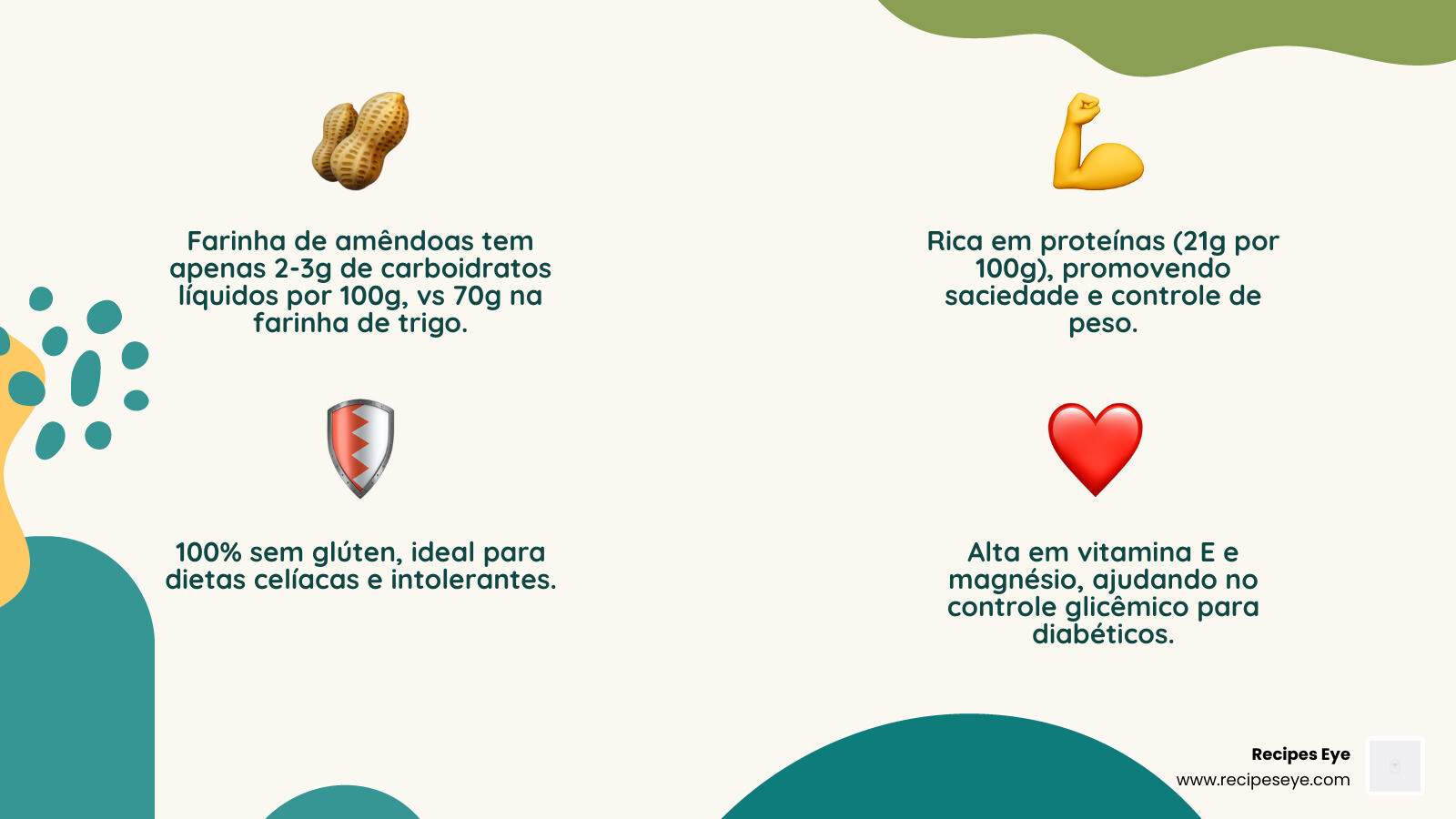
Low carb almond dough is an alternative to traditional dough made with wheat flour, using almond flour as a base. It is naturally gluten-free, rich in protein and healthy fats, and has much fewer carbohydrates.
Here is a quick summary of the main differences between low carb dough varieties:
| Dough Type | Carbs | Proteins | Gluten-Free | Ideal For |
|---|---|---|---|---|
| Almond flour | Very low | High | Yes | Cakes, pies, cookies, breads |
| Coconut flour | Low | Medium | Yes | Cakes, muffins |
| Oat flour | Medium | Medium | No | Cheaper substitute (not low carb) |
| Wheat flour | High | Low | No | Traditional recipes |
Almond flour is the most popular option because:
- It is rich in Vitamin E, magnesium, iron, and calcium
- It has fewer carbohydrates than common wheat flour
- It works well in ketogenic, diabetic, and gluten-free diets
- Each cookie made with this dough has only 1.2 g of carbs and 35 kcal
If you want to swap traditional dough for a healthier option without giving up flavor, almond dough is the right choice.
Many people still think that eating well means giving up their favorite recipes. It’s not quite like that. With low carb almond dough, you can make cakes, breads, cookies, and pies — with much fewer carbs and much more nutrition.
In this guide, you will see exactly how to prepare this dough, which recipes work best, and how to avoid the most common mistakes.
What is low carb almond dough and its benefits
We know that transitioning to a carb-restricted diet can seem challenging at first. However, low carb almond dough emerges as the “ace up the sleeve” of any healthy kitchen in 2026. Unlike traditional doughs that depend on wheat starch, this version uses the good fats and fibers of the almond to create structure and flavor.
The big difference lies in nutritional density. While wheat offers empty calories that quickly raise blood glucose, almonds provide a slow release of energy. This is fundamental for glycemic control, making it a powerful ally for diabetics or anyone wanting to avoid insulin spikes.
Check out the direct comparison we prepared for you to understand why this swap is so advantageous:
| Nutrient (per serving) | Almond Flour | Common Wheat Flour |
|---|---|---|
| Net Carbs | Very Low | Very High |
| Proteins | High | Low |
| Fibers | High | Low |
| Vitamin E | Excellent source | Traces |
| Gluten | 0% (Free) | Contains |
In addition to being naturally gluten-free, almonds are very rich in Magnesium, an essential mineral for muscle relaxation and cardiovascular health. Studies indicate that regular almond consumption can aid heart health by reducing LDL (the “bad”) cholesterol and increasing HDL (the “good”). To learn more about the scientific foundations, you can check out this research on the health benefits of almonds.
Another point we always highlight here at Recipes Eye is satiety. Thanks to the combination of fibers and proteins, a small slice of a cake made with low carb almond dough satisfies much more than a conventional cake, helping with weight control without the feeling of deprivation.
Ingredients and Step-by-Step for the Perfect Dough
To achieve the ideal texture — the kind that doesn’t crumble and melts in your mouth — it’s not enough to just swap the flour. You need to understand how the ingredients interact. Since almond flour doesn’t have gluten, it lacks the natural “elasticity” of wheat. Therefore, we use binding agents like eggs and, sometimes, psyllium.

In our mission to share nutritious recipes, we always prioritize ingredients that truly nourish the body. You can read more about our healthy mission and about us to understand how we select each component.
Essential ingredients for your low carb almond dough
For a versatile basic dough (suitable for sweet or savory pies), you will need:
- Almond flour: Preferably the “extra fine” type for more delicate results.
- Eggs: Act as the main binding and structural agent.
- Butter or Coconut Oil: Provide necessary moisture and help with crunchiness.
- Natural sweeteners: If the recipe is sweet, opt for Xylitol or Erythritol, which do not raise blood sugar.
- Xanthan Gum or Psyllium: Just a pinch helps provide the “bind” that gluten would.
- Vanilla Extract: Essential to neutralize the residual egg flavor in sweet recipes.
How to avoid air bubbles and ensure crunchiness
Nothing is worse than a dough that turns out “rubbery” or full of holes, right? Here are the master secrets we apply in our kitchens:
- Tap the pan: After pouring the batter (especially in cakes), lightly tap the pan on a hard surface. This forces air bubbles to rise, preventing the cake from cracking or having internal holes.
- Pre-baking: For filled pies, always bake the crust alone for about 10 to 15 minutes before adding the filling. This ensures the base stays crunchy and doesn’t absorb moisture from the filling (the famous “soggy bottom”).
- Oven temperature: Almond flour burns faster than wheat flour. Keep the oven around 180°C (350°F) and watch closely after the initial 20 minutes.
- Parchment Paper: Always line the bottom of the pan. Since this dough is rich in fats, it can stick if the pan isn’t very well greased or protected.
- Sandy Texture: When mixing dry ingredients with fat (cold butter), use your fingertips until you get a coarse crumble before adding liquids. This ensures a crumbly and delicious dough.
Best Recipes: Cakes, Breads, and Cookies
Versatility is what really makes low carb almond dough the queen of the diet. With simple adjustments, the same base can transform into a breakfast bread or a crunchy cookie for an afternoon snack.
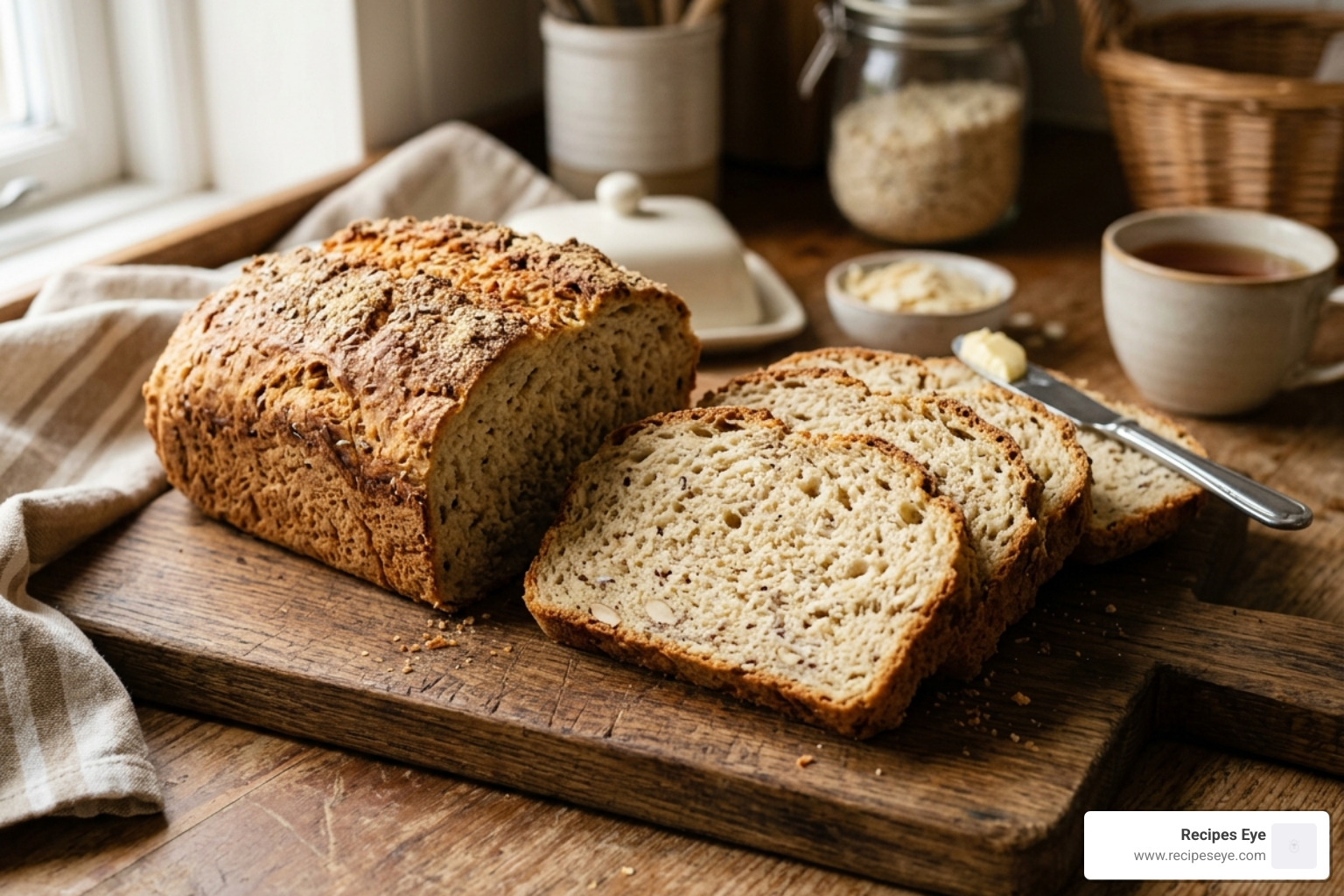
The nutritional statistics are impressive and show why this choice is smart:
- Almond cookie: Approximately 35 kcal and only 1.2 g of carbs per unit.
- Almond bread: A generous slice contains about 216 kcal, 9.1 g of protein, and only 7.6 g of carbs.
Furthermore, the high Vitamin E content in these recipes offers natural antioxidant protection for your cells. To understand the importance of this, see this research on Vitamin E and antioxidants.
Versatility of low carb almond dough in sweet and savory dishes
Don’t limit your repertoire! See how to adapt this wonder:
- Quiches and Savory Pies: Use the base dough without sweetener and add herbs like rosemary or oregano. Spinach and cheese filling pairs perfectly with the almond base.
- Fit Vanilla Cake: Mix 2 cups of almond flour, eggs, coconut oil, xylitol, and psyllium. The result is a moist cake that goes very well with coffee.
- Peanut Mousse: Although the focus is on almonds, you can use peanut butter and heavy cream to create incredible toppings or fillings for your almond dough.
- Breading: Did you know that almond flour is a perfect substitute for breadcrumbs? Use it to bread chicken or fish and bake in the oven for unparalleled crunchiness that is totally low carb.
- Smart Substitutions: If you want to vary the flavor, coconut milk can replace cow’s milk in the dough, bringing a tropical aroma and maintaining the healthy fat profile.
Conservation Tips and Common Mistakes
Because it is a dough rich in natural oils and proteins, it requires different care than wheat doughs. The most common mistake is trying to measure almond flour “by eye.” Since it is denser, we always recommend using a scale or leveled measuring cups.
Another crucial point is total cooling. Never try to unmold an almond cake or pie while it is hot. The structure finishes setting while it cools; if you are in a hurry, the dough will likely break.
How to store your low carb almond dough
To maintain freshness and texture, follow these guidelines:
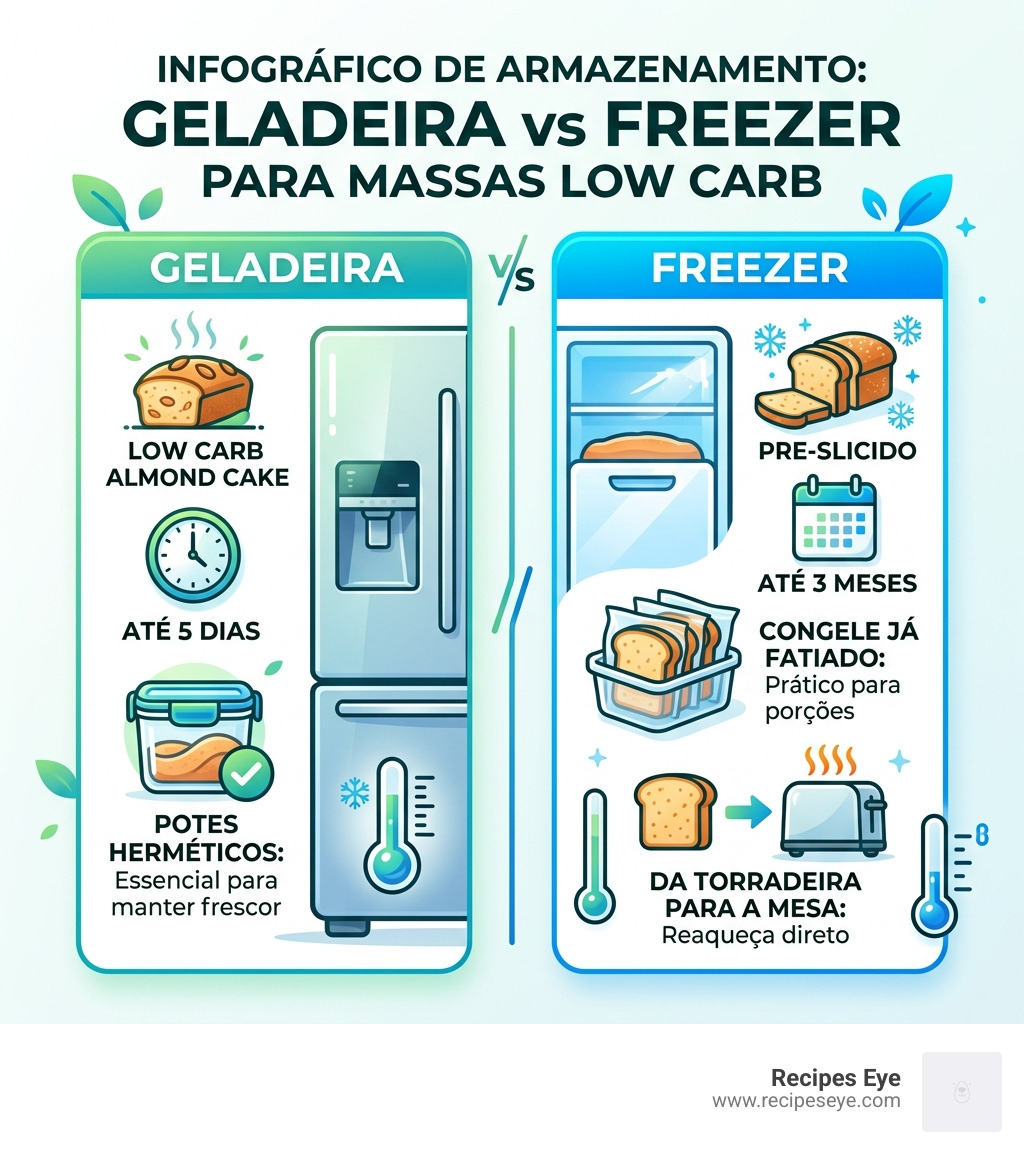
- Airtight Containers: Oxygen is the enemy of almond fats (it can make them rancid). Always store in well-closed containers.
- Refrigerator: Cakes and breads last up to 5 days if kept refrigerated.
- Freezer: This dough freezes wonderfully well! You can freeze the bread already sliced for up to 3 months. When it’s time to eat, just put the slice directly in the toaster or oven.
- Humidity: If the dough absorbs too much moisture and loses its crunchiness, put it in a low oven for 5 minutes to “renew” the texture.
To find more kitchen organization tips and practical recipes, visit our Home Page.
Frequently Asked Questions about Almond Dough
How to make almond dough very crunchy?
The secret is pre-baking the base (if it’s a pie) and using cold fat (butter) in the initial mix. Additionally, letting the dough cool completely after the oven helps harden the natural sugars and fats, creating the desired crunchiness.
Can I substitute almond flour with peanut flour?
Yes, it is possible, but the flavor will be much more pronounced. Peanut flour also tends to be a bit drier, so you might need an extra touch of moisture (like a tablespoon of coconut milk or water). The fat profile changes, but the low carb proposal remains.
Can low carb almond dough be frozen?
Absolutely! Both the raw dough (in a disc or ball shape wrapped in plastic wrap) and the already baked product can be frozen. This ensures practicality for those with a busy routine who don’t want to go off their diet.
Conclusion
Low carb almond dough is not just a passing trend of 2026; it is a definitive solution for those seeking longevity and pleasure at the table. It proves that we can have the best of both worlds: the comfort of warm bread or a fluffy cake, with the biological benefits of a diet that respects our metabolism.
We at Recipes Eye believe that cooking is a form of self-care. By choosing ingredients like almonds, you are investing in your cardiovascular health, weight control, and daily energy.
If you enjoyed this guide and want to discover new ways to transform your diet, don’t stop here. We have hundreds of other combinations waiting for you. Visit our site for more recipes and join our community that loves eating well and living better!

