
Everything you can do with a cube of tomato bouillon
The Little Cube That Does Everything: A Guide to Caldo de Tomate
Caldo de tomate is a tomato-chicken bouillon seasoning used across Latin cooking to add deep, savory flavor to soups, rice, marinades, sauces, and much more.
Here are the most popular ways to use it:
- Mexican rice – stir it into the cooking liquid for fluffy, restaurant-style results
- Soups and stews – dissolve in hot water as a rich, full-bodied broth base
- Marinades – mix with oil or mayo and rub onto chicken or meat before roasting
- Pasta sauces – add a pinch to marinara for extra depth, especially with canned tomatoes
- Snacks – sprinkle on popcorn, roasted potatoes, or grilled corn
- Cocktails – stir into a Bloody Mary or Michelada for a savory kick
It sounds like a simple pantry shortcut. But cooks who use it regularly will tell you it’s so much more than that.
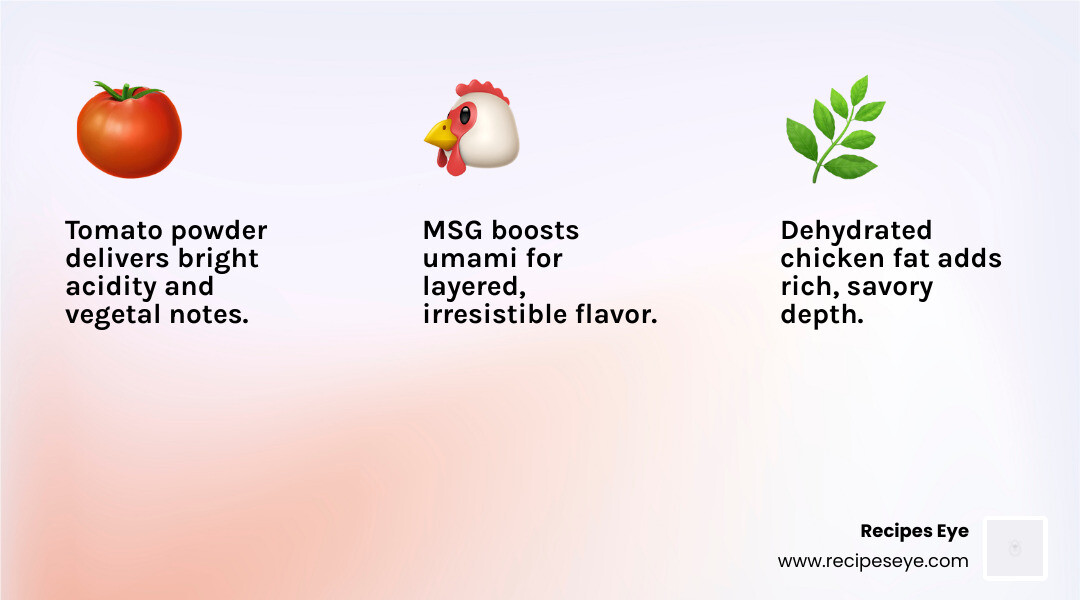
The flavor comes from a clever combination of tomato powder, chicken fat, and MSG — ingredients that together create a layered, umami-rich taste you can’t get from a plain salt cube. It’s salty, savory, a little sweet, and slightly tangy, all at once.
And while the Knorr brand has been a staple in Latin kitchens since 1961, the concept of a rich tomato broth goes back much further in Mexican and Latin American cooking traditions.
Whether you’ve been using it for years or just discovered it at the back of a grocery shelf, this guide covers every practical use — from the expected to the genuinely surprising.
What is Caldo de Tomate and Why is it a “Secret Weapon”?
In Latin cuisine, few ingredients hold as much transformative power as caldo de tomate. While it translates literally to “tomato broth,” it is rarely just a simple liquid made from boiled vegetables. In its most popular commercial form, it is a concentrated bouillon that blends the bright acidity of tomatoes with the savory depth of chicken.
Since 1961, this specific flavor profile has been a staple in Latin kitchens. For many, the sight of that yellow and red packaging is synonymous with “home cooking.” But why is it considered a “secret weapon”? The answer lies in its professional-grade utility and its unique flavor chemistry.
In professional food service environments, caldo de tomate is prized for its efficiency. For example, a single professional 4.4lb pack can yield up to 41 gallons of stock, providing over 2,500 servings. This high yield, combined with a shelf stability of 365 days, makes it a reliable foundation for massive batches of arroz con habichuelas, paella, or pollo guisado.
Scientific research into flavor profiles shows that the combination of tomato and chicken creates a synergistic umami effect. Tomatoes are naturally high in glutamates, and when paired with animal fats and proteins, they trigger a “savory” response on the palate that salt alone cannot achieve. This is why a single cube can make a dish taste like it has been simmering for hours, providing a savory depth that bridges the gap between different ingredients.
The Science of Flavor: Ingredients and Umami
To understand why caldo de tomate tastes so good, we have to look at the science behind the cube. It isn’t just salt; it is a carefully calibrated journey of flavors.
The Anatomy of Umami
The primary driver of flavor here is umami—the “fifth taste.” This is achieved through several key components:
- Tomato Powder: This provides more than just color. It contributes a sweet, slightly acidic, and vegetal umami.
- Dehydrated Chicken Fat and Beef Fat: These ingredients provide a rich meatiness and “body” that typical vegetable bouillons lack. It gives the broth a silky mouthfeel, mimicking the collagen found in long-simmered homemade stocks.
- Monosodium Glutamate (MSG): Often misunderstood, MSG is the purest form of umami. When combined with the natural glutamates in the tomato powder, it amplifies every other spice in the dish.
- Aromatic Base: Ingredients like onion powder, garlic, and parsley provide a foundational savory scent.
Balancing Salt and Acidity
One of the common nutritional concerns regarding powdered bouillon is the sodium content. While it is undeniably salty, proponents argue that it should be viewed as a seasoning rather than just a salt replacement. The acidity from the tomato helps balance the richness of the fats, preventing the salt from becoming overwhelming when used correctly.

Beyond the Soup Pot: Versatile Uses for Caldo de Tomate
While it’s naturally at home in a pot of sopa de fideo or caldo de res, the true magic of caldo de tomate is its versatility. It is a dry seasoning, a liquid base, and a flavor enhancer all rolled into one.
Elevating Mexican Rice with Caldo de Tomate
If you have ever wondered how Mexican restaurants achieve that perfectly fluffy, vibrant orange-red rice, the answer is almost certainly caldo de tomate.
To make authentic Tex-Mex style rice, you don’t just boil rice in water. You first sauté the dry grains in oil until they are golden and fragrant. Then, instead of plain water, you add a liquid base infused with tomato bouillon. The bouillon ensures that every single grain is seasoned from the inside out. It provides the signature spiced flavor and that iconic color without the need for heavy tomato pastes that can sometimes make rice “mushy.”
Unexpected Culinary Applications
Once you stop thinking of it as just “soup base,” a world of culinary possibilities opens up:
- The “Clucktato” Bloody Mary: Some adventurous cooks add a half-teaspoon of caldo de tomate to their Bloody Mary or Michelada. Much like the clam juice in a Caesar, the dehydrated chicken fat and tomato powder add a savory, meaty “oomph” to the cocktail. You can even use it to rim the glass!
- Popcorn and Snack Seasoning: Because it is a fine powder, it clings beautifully to popcorn, potato chips, or grilled corn (elote). It adds a tangy, savory kick that is far more interesting than plain salt.
- The Ultimate Meat Rub: Try mixing a few teaspoons of the powder into a quarter cup of mayonnaise. Slather this mixture over a whole chicken or a pork roast before putting it in the oven. The fats in the bouillon and the mayo will help the skin crisp up while the tomato and spices create a deep, savory crust.
- Roasted Potatoes: Toss halved fingerling potatoes in olive oil and a generous sprinkle of caldo de tomate. The sugar in the bouillon caramelizes in the heat, creating a sweet-and-savory charred edge that is irresistible.
- Modern Pasta Sauces: If you are making a marinara with out-of-season winter tomatoes, a pinch of this bouillon can restore the “sun-ripened” flavor and umami depth that the fresh fruit is lacking.

Homemade vs. Store-Bought Bouillon
While the convenience of a cube is hard to beat, many health-conscious cooks prefer to know exactly what goes into their food. At Recipes Eye, we love exploring both the traditional and the modern.
Crafting a Homemade Caldo de Tomate
Making a “caldillo” or tomato broth from scratch is a fundamental skill in Mexican cooking. It allows you to control the sodium levels and avoid preservatives.
- Roast or Boil: Start with ripe tomatoes (Roma or Plum work best). You can boil them until the skins peel or roast them with garlic and onions for a smokier flavor.
- Blend: Combine the peeled tomatoes, sautéed onion, and garlic in a blender.
- Strain: For that professional, silky texture, pass the blended mixture through a fine-mesh strainer (colador). This removes seeds and any remaining skin.
- Season: Simmer the liquid with vegetable or chicken stock, adding fresh herbs like cilantro or parsley. To mimic the store-bought version’s depth, add a pinch of cumin and a tiny bit of sugar to balance the acidity.
Comparing Convenience and Flavor
How does the homemade version stack up against the pantry staple?
| Feature | Homemade Caldo | Powdered Bouillon |
|---|---|---|
| Preparation Time | 30–50 minutes | 30 seconds |
| Shelf Life | 3–5 days (refrigerated) | 365 days (pantry) |
| Flavor Profile | Fresh, bright, acidic | Savory, umami-heavy, salty |
| Cost Efficiency | Depends on produce prices | Extremely low cost per serving |
| Nutritional Control | High (you control salt/fat) | Low (pre-set ingredients) |
For a quick weeknight meal, the powdered version is an unbeatable “secret weapon.” However, for a slow Sunday dinner, a homemade caldillo offers a freshness that can’t be replicated in a factory.
Frequently Asked Questions about Caldo de Tomate
Is tomato bouillon too salty for healthy cooking?
It can be, if used incorrectly. The key is to treat caldo de tomate as your primary salt source. If you are using bouillon, do not add extra salt to the dish until the very end, and only after tasting. Because it is highly concentrated, a little goes a long way. To make it “healthier,” use it to flavor large quantities of vegetables or legumes, where the salt is distributed across many servings.
Can I make a vegetarian version of this broth?
Traditional caldo de tomate (like the Knorr version) contains chicken or beef fat. If you are looking for a vegetarian alternative, you can create a similar flavor profile by mixing high-quality tomato powder with a yeast-based vegetable bouillon. Adding a drop of liquid smoke or a bit of nutritional yeast can help replicate that savory “meaty” depth.
How do I store powdered bouillon to keep it fresh?
Moisture is the enemy of bouillon. Once the container is opened, ensure the lid is snapped shut tightly. Store it in a cool, dry place away from the steam of the stove. While it has a 365-day shelf life, it can clump if exposed to humidity. If you buy the professional 4.4lb tubs, consider portioning some into a smaller airtight jar for daily use to keep the main supply fresh.
Conclusion
At Recipes Eye, we believe that every ingredient has its place in a healthy, happy kitchen. Caldo de tomate is a bridge between tradition and convenience. Whether you are using it to recreate the nostalgic flavor of your grandmother’s Mexican rice or experimenting with it as a savory rub for a roasted chicken, it remains one of the most versatile tools a cook can own.
By understanding the science of its umami flavor and learning how to balance its intensity, you can unlock a new level of depth in your everyday cooking. Don’t be afraid to experiment—whether it’s in a soup pot or a popcorn bowl, that little red-and-yellow cube is ready to work its magic.
For more kitchen tips and more healthy recipes and cooking tips, stay tuned to our latest guides!

